Get to Know Hamamatsu
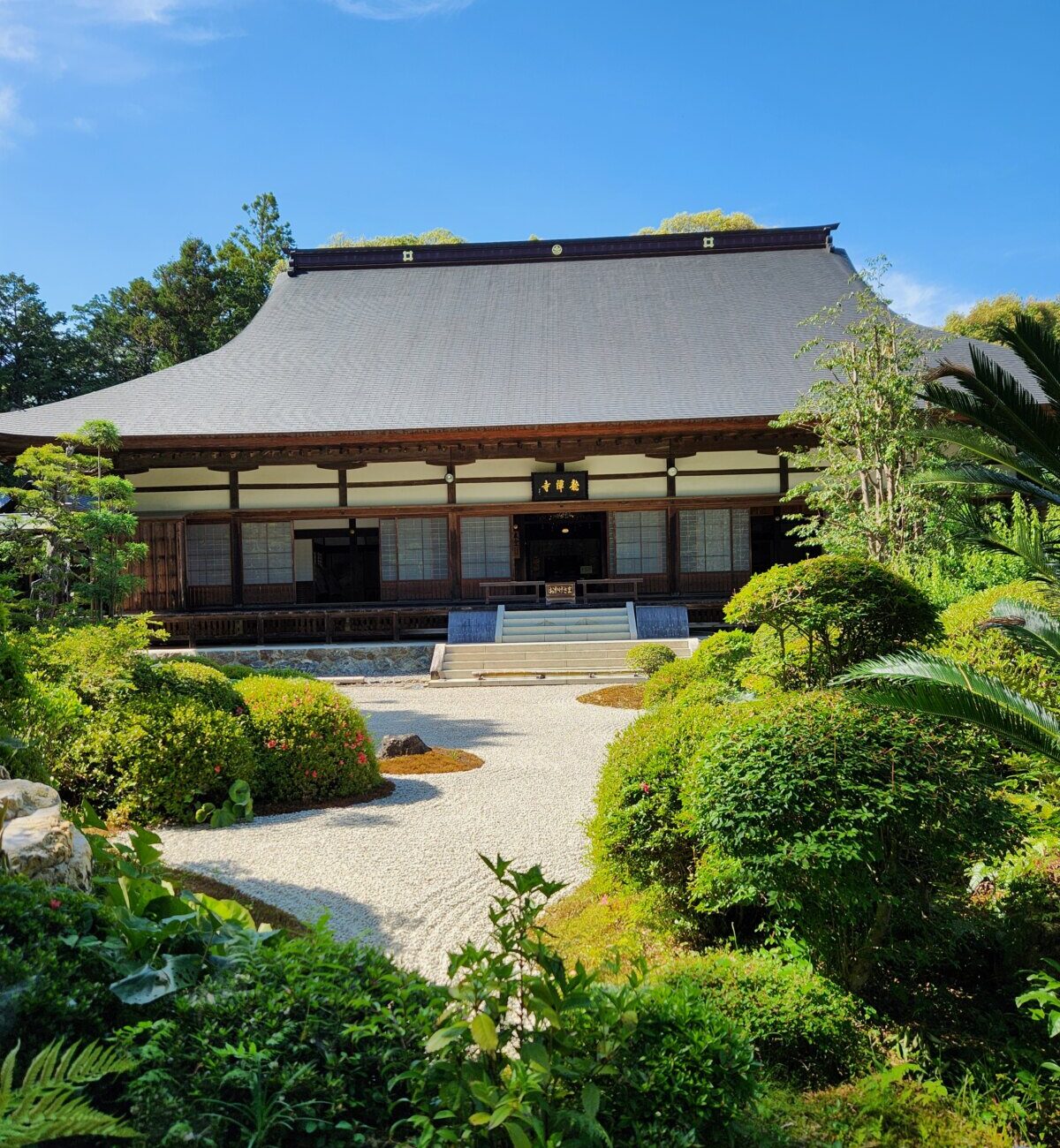

Ryotanji Temple: Home to a Nationally Designated Scenic Garden and Numerous Prefectural Cultural Properties
Surrounded by nature, Ryotanji Temple is filled with seasonal flowers throughout the year, creating a peaceful atmosphere that soothes the mind simply by being there.
This article was created on June 26, 2026.
We visited Ryotanji Temple, located in Iinoya, Inasa-cho, Hamana Ward, Hamamatsu City.
Known as a temple closely associated with Ii Naotora, Ryotanji Temple is the family temple of the Ii clan.
The temple is home to Enshu’s largest wooden Great Buddha, and the nationally designated scenic Ryotanji Garden, viewed from the Main Hall and the Shoin, is a truly impressive sight.
Surrounded by nature, Ryotanji Temple is filled with seasonal flowers throughout the year, creating a peaceful atmosphere that soothes the mind simply by being there.
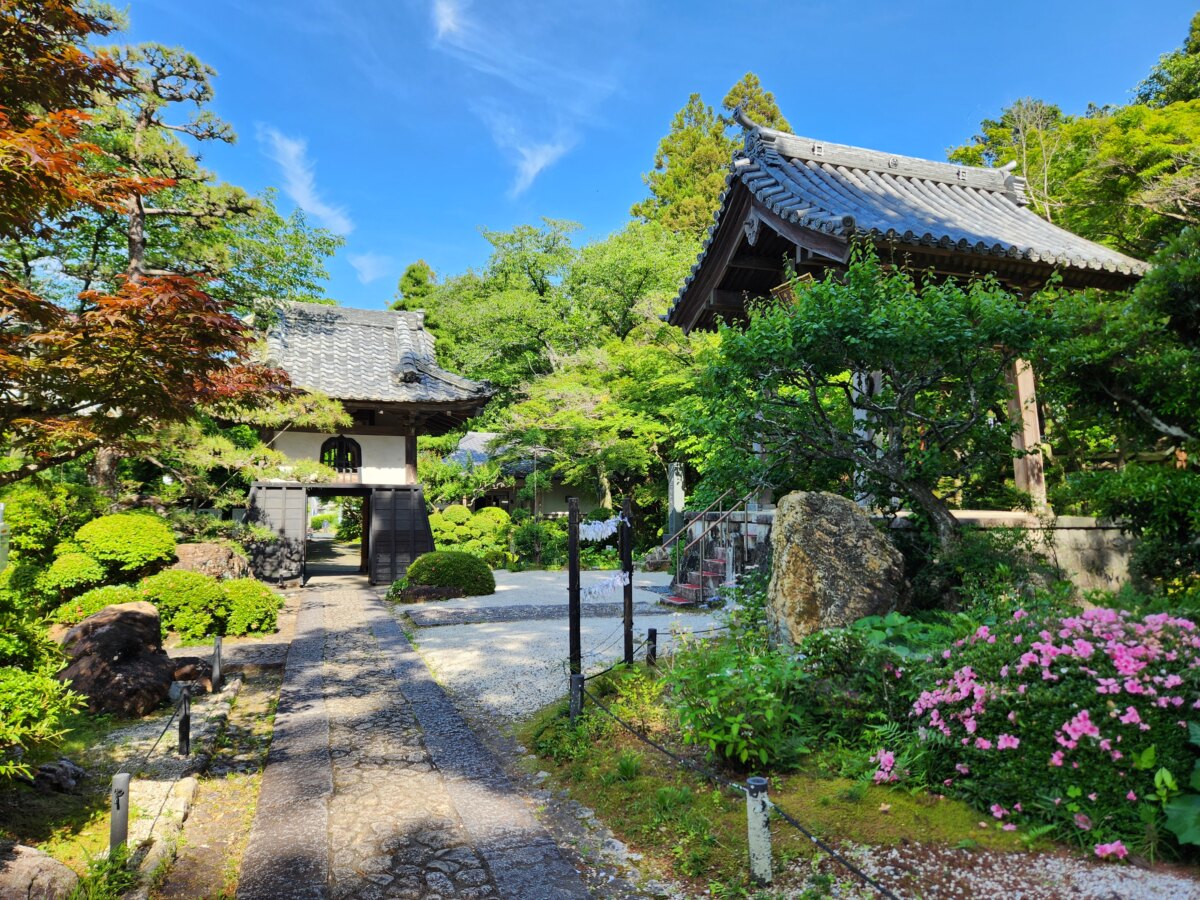
Let’s take a closer look at Ryotanji Temple, the family temple of the Ii clan.
About Ryotanji Temple
Mr. Muto Soho, the head priest of Ryotanji Temple, kindly shared the following insights about the temple.
We hope you’ll enjoy learning about the temple while imagining the history behind it.
Ryotanji Temple was founded in 733 during the Nara period by the Buddhist monk Gyoki and was originally known as Hachimanzan Jizoji Temple.
In 1010, Tomoyasu, the founder of the Ii clan, was born beside the well in front of the temple. For more than 1,000 years, Ryotanji Temple has served as the family temple honoring 40 generations of the Ii clan.
During the Nanboku-cho period, the temple welcomed Imperial Prince Munenaga, the fourth son of Emperor Go-Daigo, and experienced years of conflict. It was then renamed Reitanji after the prince’s posthumous Buddhist name.
During the Muromachi period, the 20th head of the Ii clan, Ii Naohira, invited the Zen master Mokuju Zuien. The temple was renamed Ryutaiji and became part of the Rinzai school, helping spread the Myoshinji tradition from Kyoto throughout the Enshu region.
Later, Ii Naomori, the 23rd head of the Ii clan, was killed while fighting for Imagawa Yoshimoto in the Battle of Okehazama. His posthumous Buddhist name was Ryotanji Ten’un Dokan Daikoji, and the temple was renamed Banshozan Ryotanji, the name it retains today.
At that time, the head priest Nankei Zuimon raised Ii Naomasa together with Naomori’s only daughter, Naotora. From Ryotanji Temple, they helped restore the Ii clan during a time when it faced the threat of extinction, paving the way for Naomasa to later become the lord of the 180,000-koku Hikone Domain.
The temple grounds were destroyed during the Battle of Mikatagahara, and the present temple buildings were reconstructed during the Edo period by the Ii family of Hikone.
Today, Ryotanji Temple continues to preserve and share the thousand-year history and culture of the Ii clan.
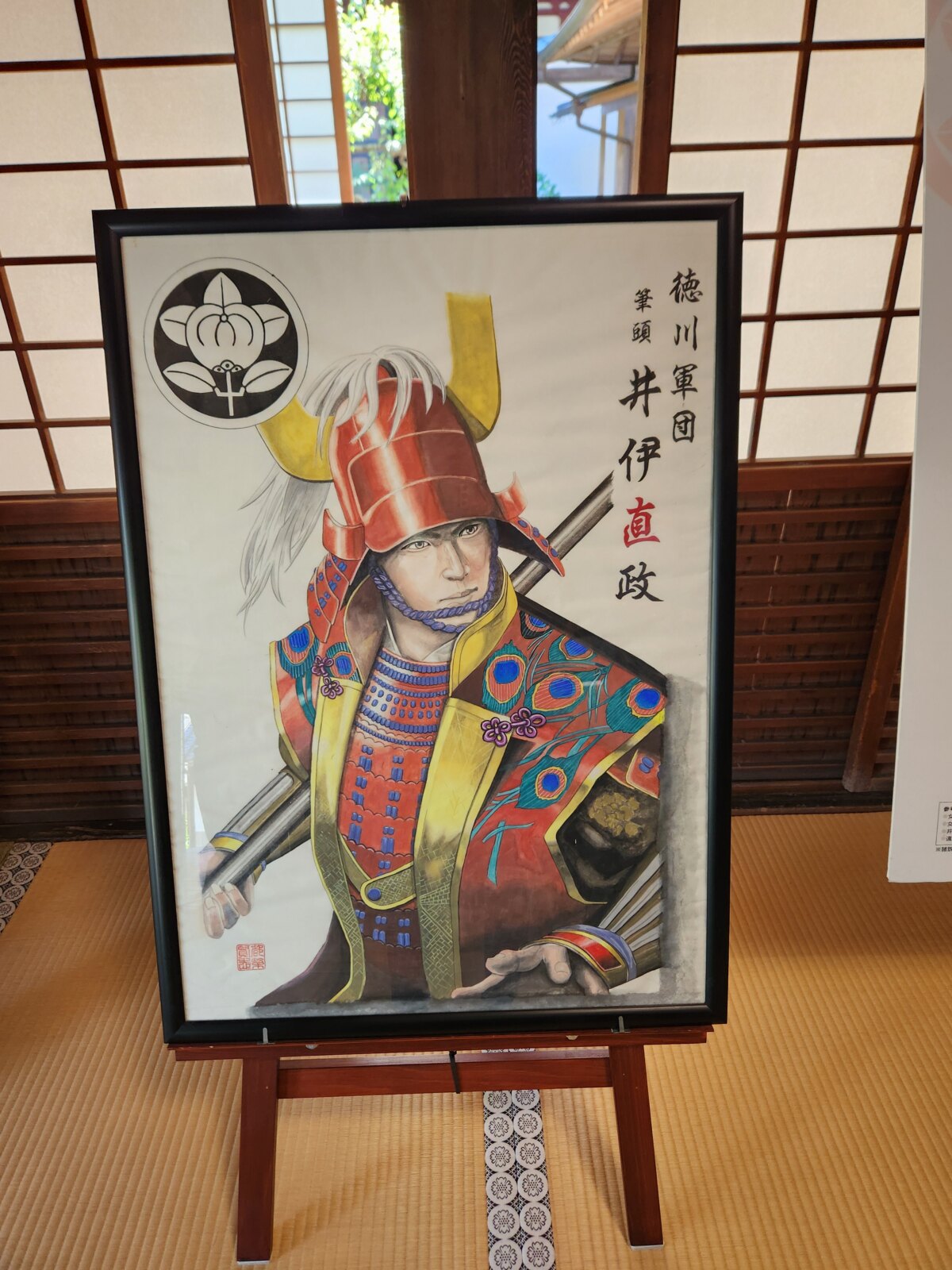
A Guide to the Highlights of Ryotanji Temple
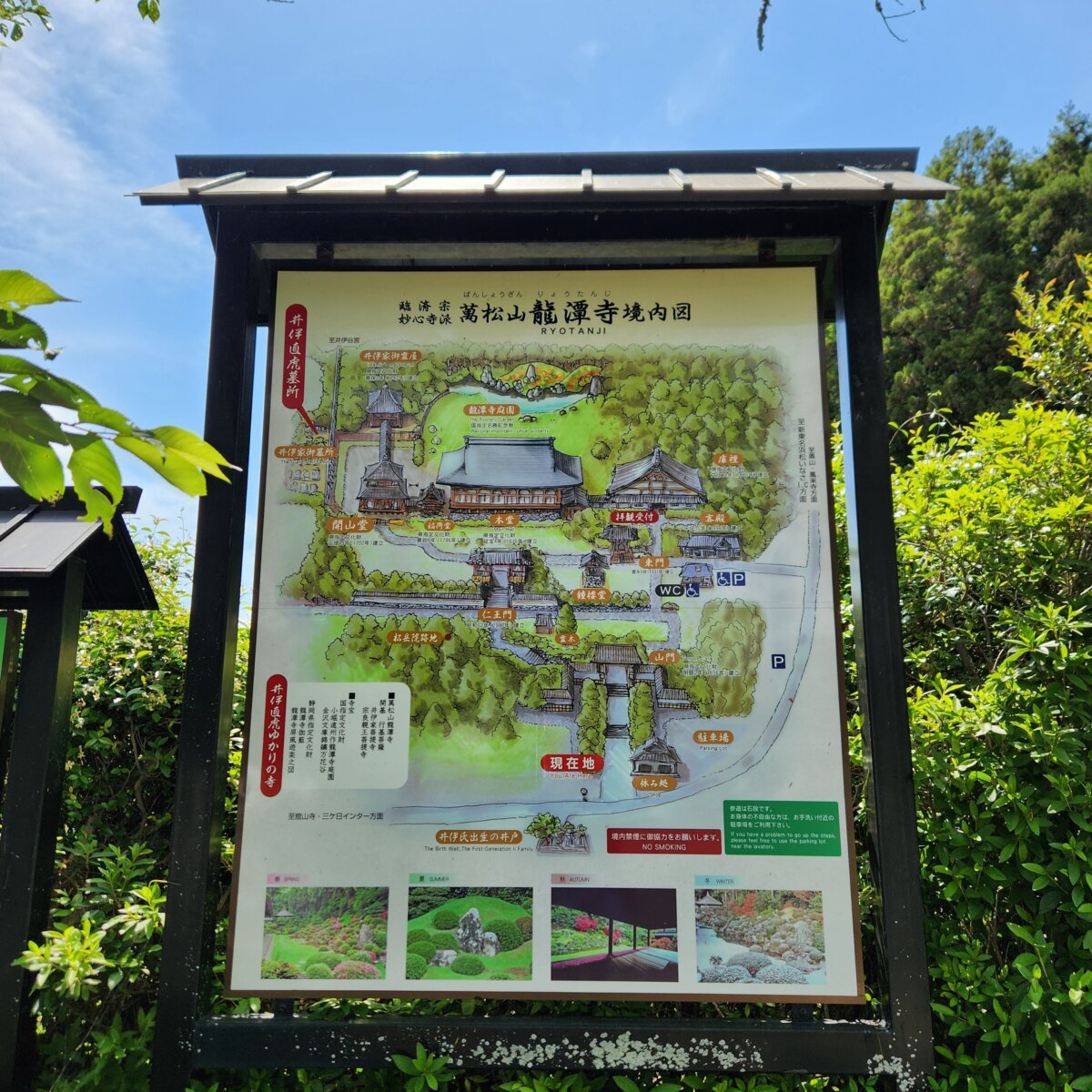
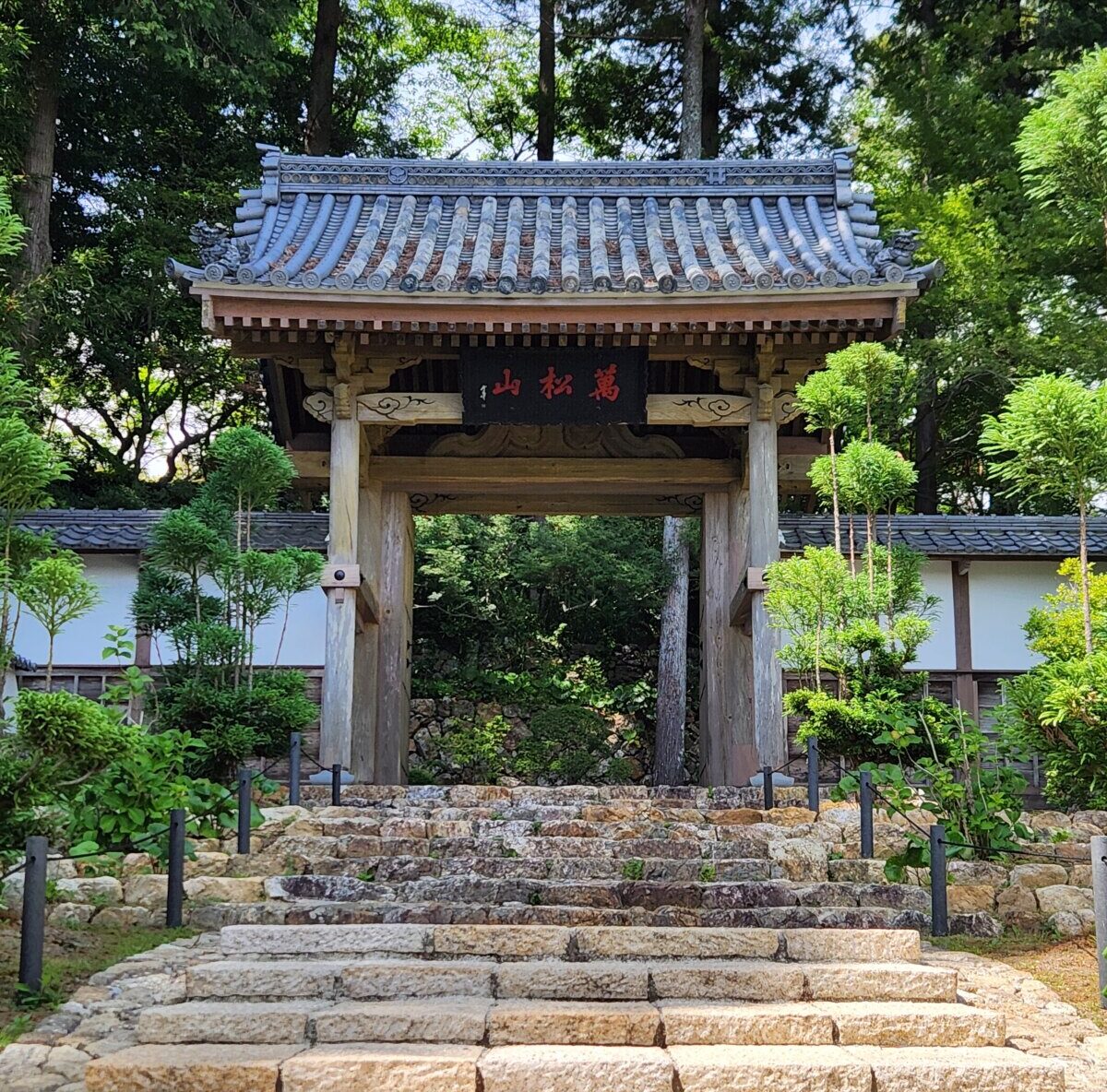
Follow the path beside the Ryotanji Temple parking lot, and you’ll come to the Sanmon (main gate).
The temple’s mountain name, Banshozan, is said to have been written by a member of the Korean Envoys, and the Sanmon itself is designated as a Shizuoka Prefectural Cultural Property.
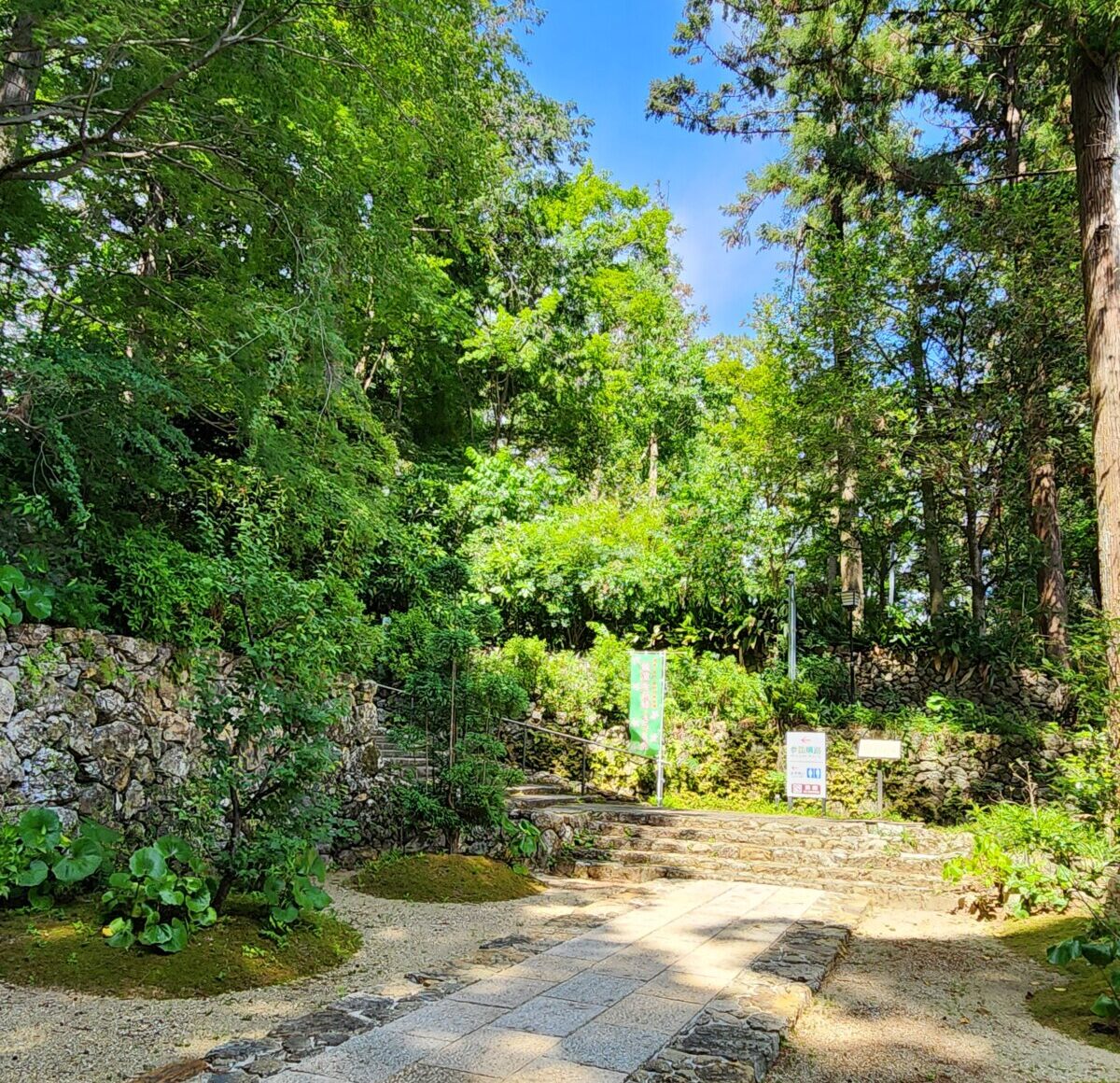
With the stone wall on your left, make your way up the gentle stone steps.
At the top, you’ll find the Kuri, also designated as a Shizuoka Prefectural Cultural Property. This is where the reception is located.
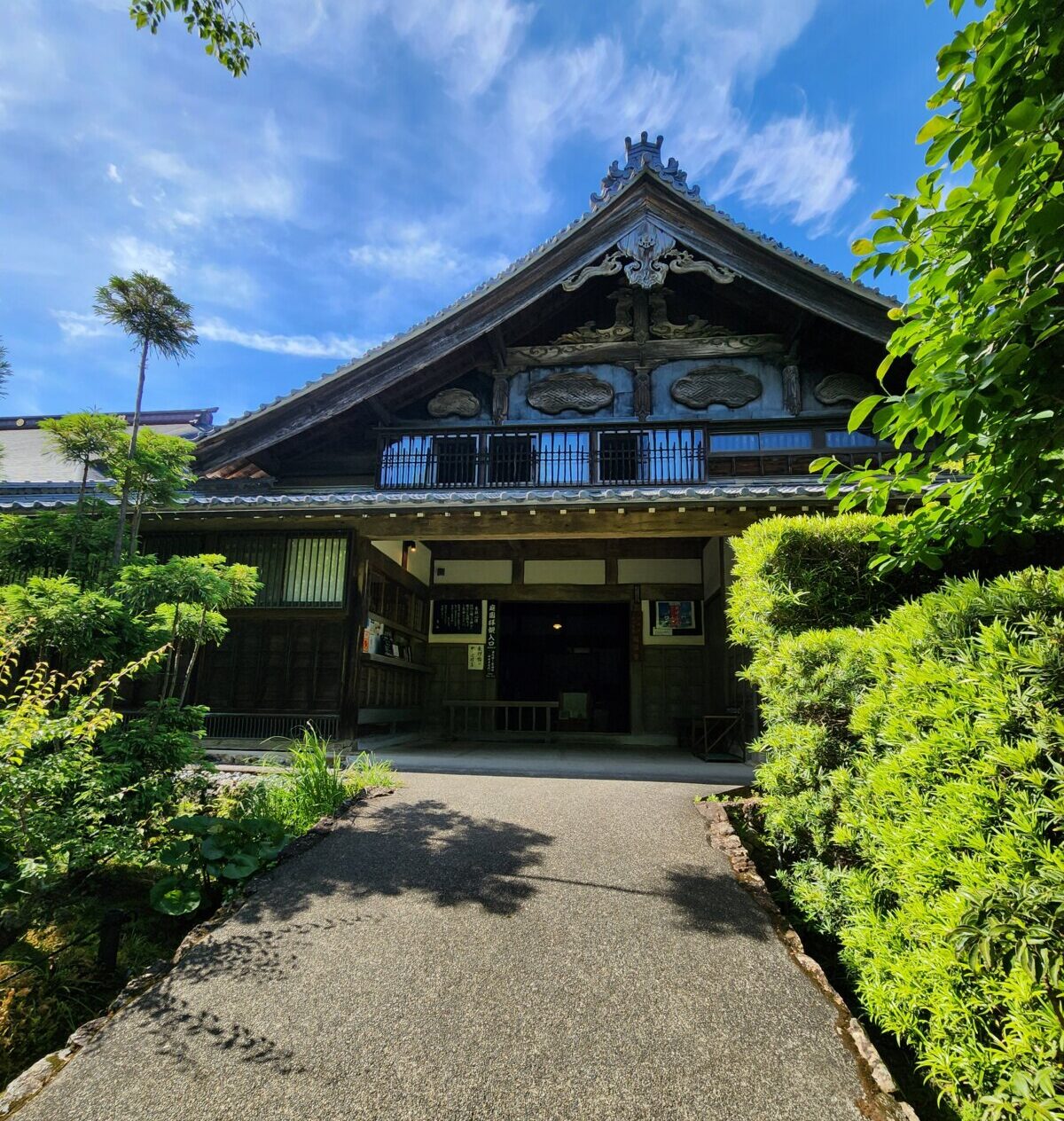
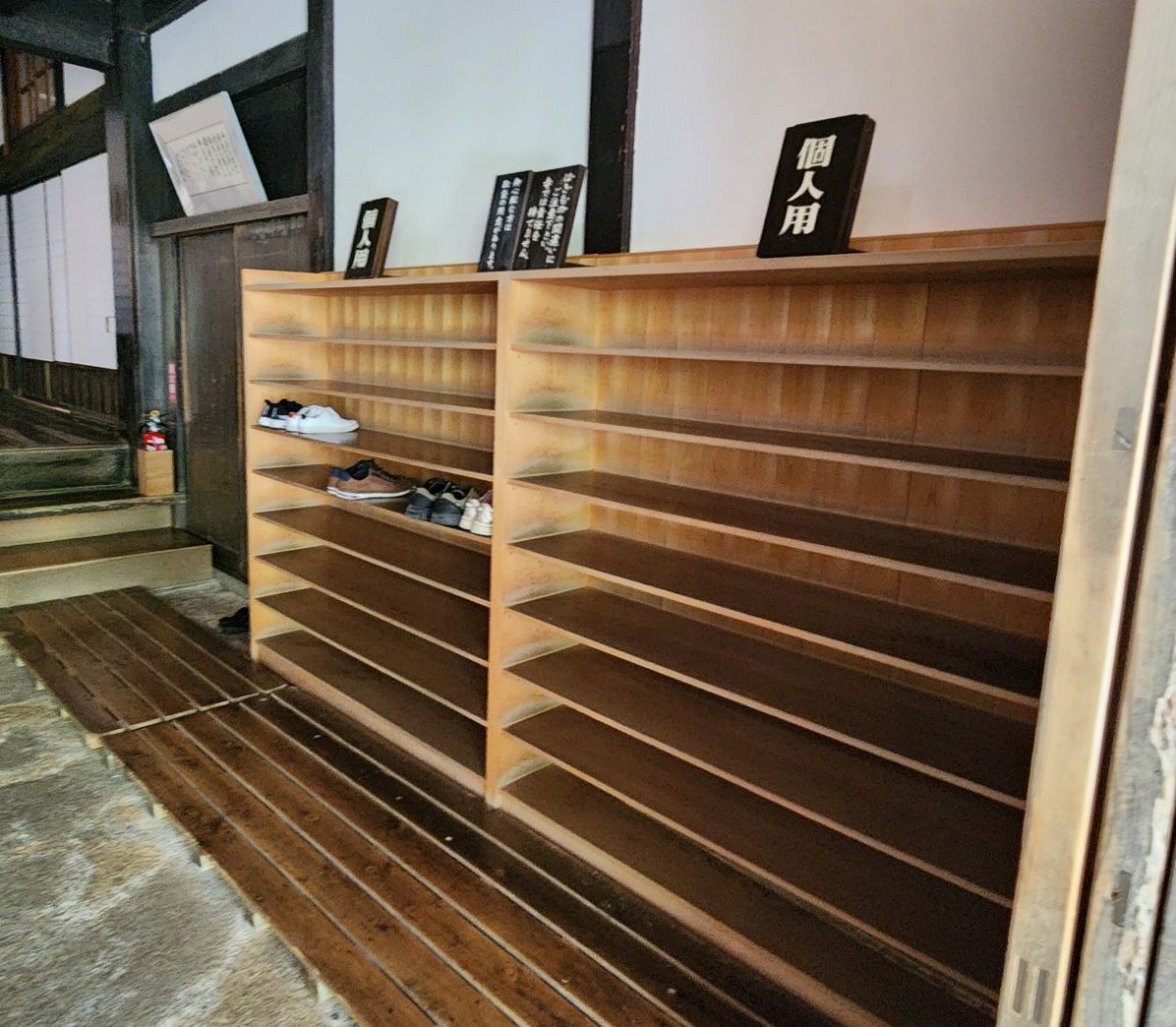
Shoe lockers are provided, so please remove your shoes before entering the temple.
Here are three highlights you won’t want to miss.
Highlight 1: Ryotanji Garden, a Nationally Designated Place of Scenic Beauty
Ryotanji Garden is one of only four nationally designated Places of Scenic Beauty in Shizuoka Prefecture.
.jpg)
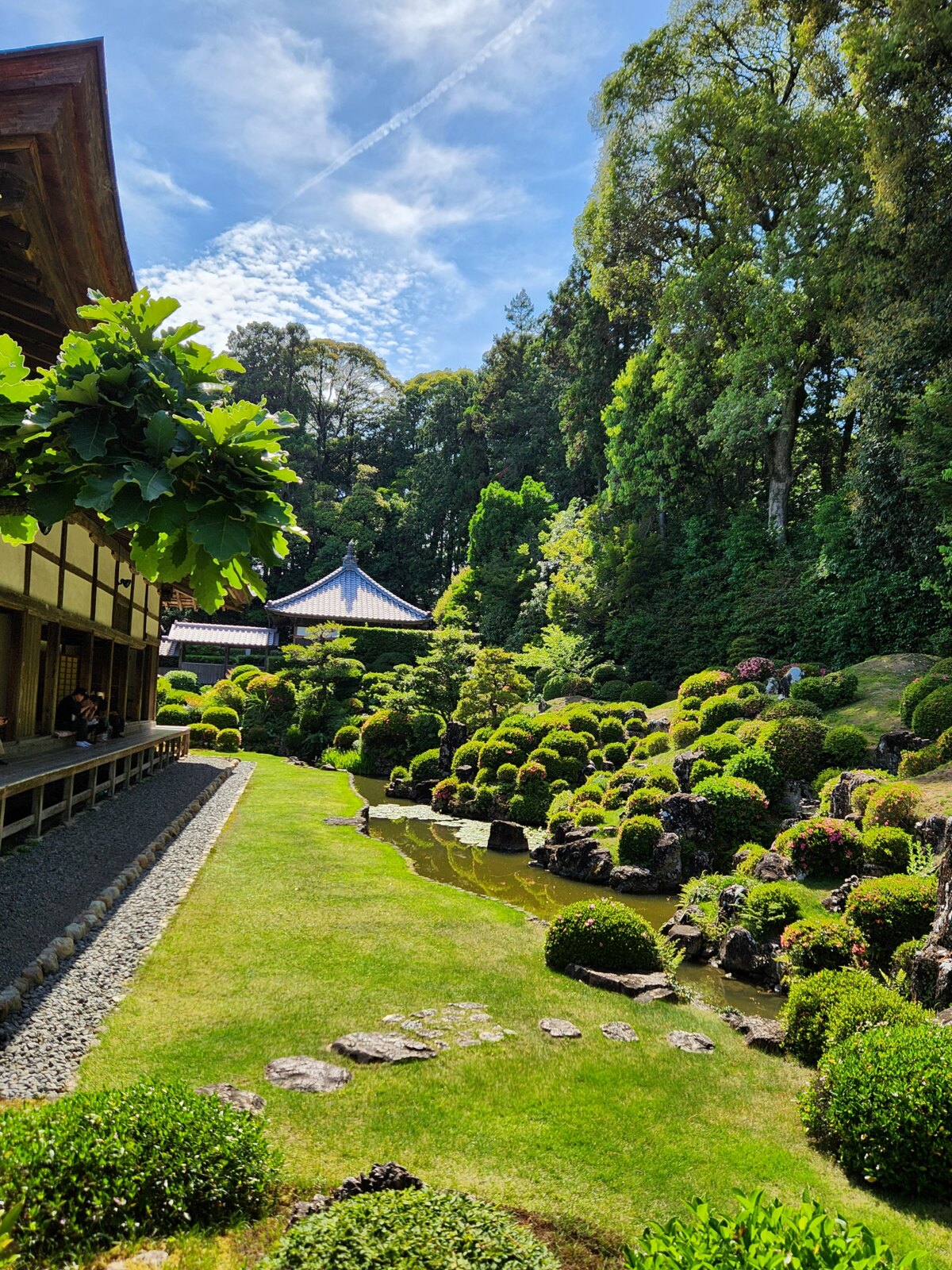
The garden is believed to have been designed by Kobori Enshu, a daimyo, tea master, architect, landscape garden designer, and calligrapher who was active from the Azuchi–Momoyama period to the early Edo period.
Created in the early Edo period, the garden is beautifully enhanced by seasonal flowers and offers a different atmosphere throughout the year.
If you look closely from the front of the Main Hall, you’ll notice that the central pond is shaped like the Japanese character for “heart” (心). Known as a Shinji-ike, it is considered a classic example of a temple garden.
Be sure to take a closer look at the garden stones, which are made from locally sourced mountain rock.
More stones are placed in the foreground, with fewer toward the back, creating a beautiful balance between the near and distant views.
The central stone is the Guardian Stone, flanked by Nio Stones on either side, with the Worship Stone (also known as the Zazen Stone) placed directly in front. Be sure to enjoy the view from the front of the Main Hall.
Chairs are also provided in the tatami room overlooking the garden, offering a wonderful place to sit back, relax, and take in the scenery.
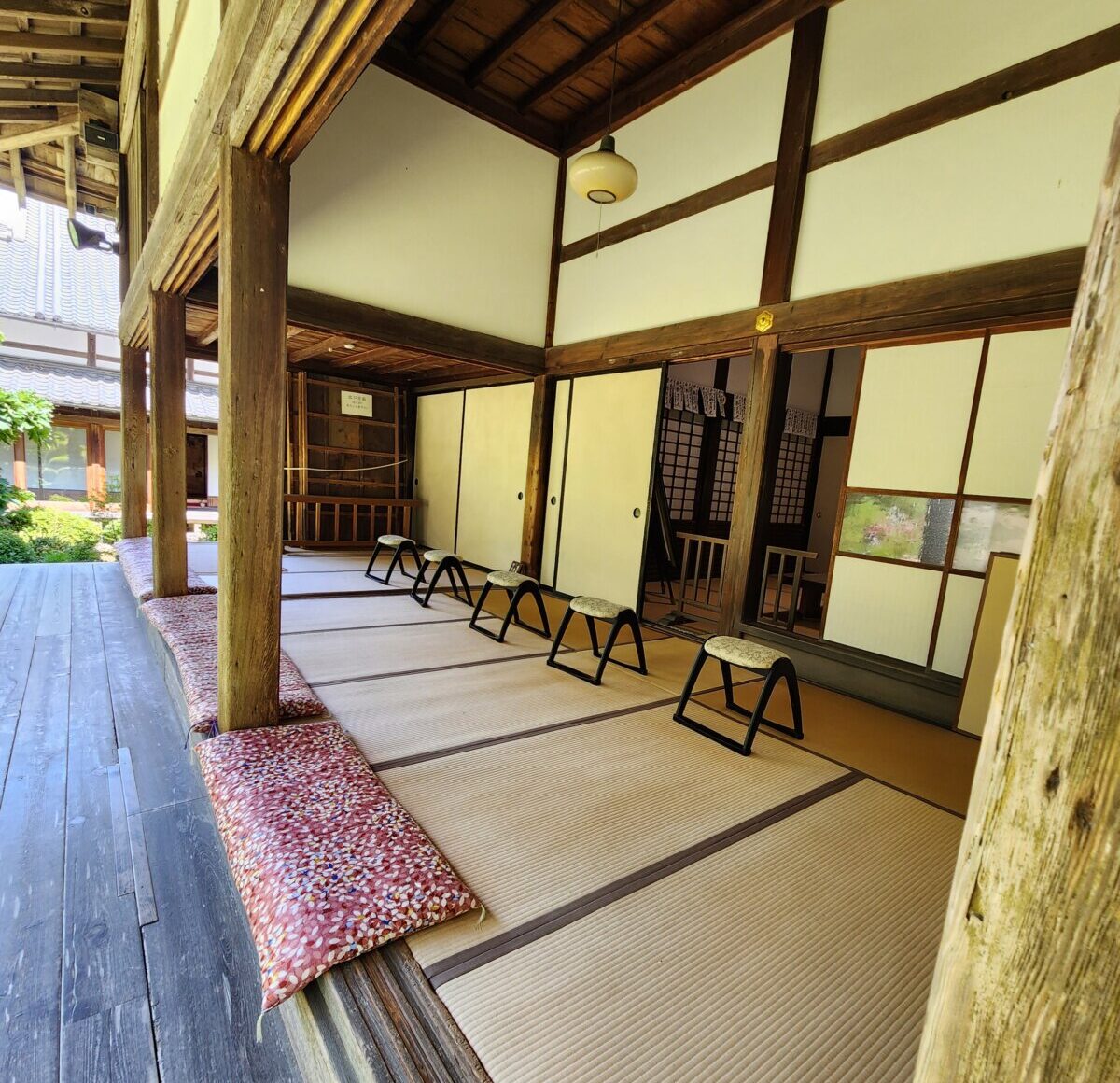
Ryotanji Garden can be enjoyed from two viewing spots. One is from the front of the Main Hall, and the other is from the Shoin.
From the Shoin, you’ll have a view of the Otamaya, the mausoleum of the Ii clan, directly in front of you. It is also said that Ii Naosuke, the Tairo (Great Elder) of the late Edo period, once sat here to admire the garden and the Otamaya.
Highlight 2: The Joroku Buddha, the Largest Great Buddha in Enshu
Built around 300 years ago, the Joroku Buddha is the largest wooden Great Buddha in the Enshu region. Depicted in a seated meditation pose, it quietly invites visitors to reflect on their own hearts and minds.
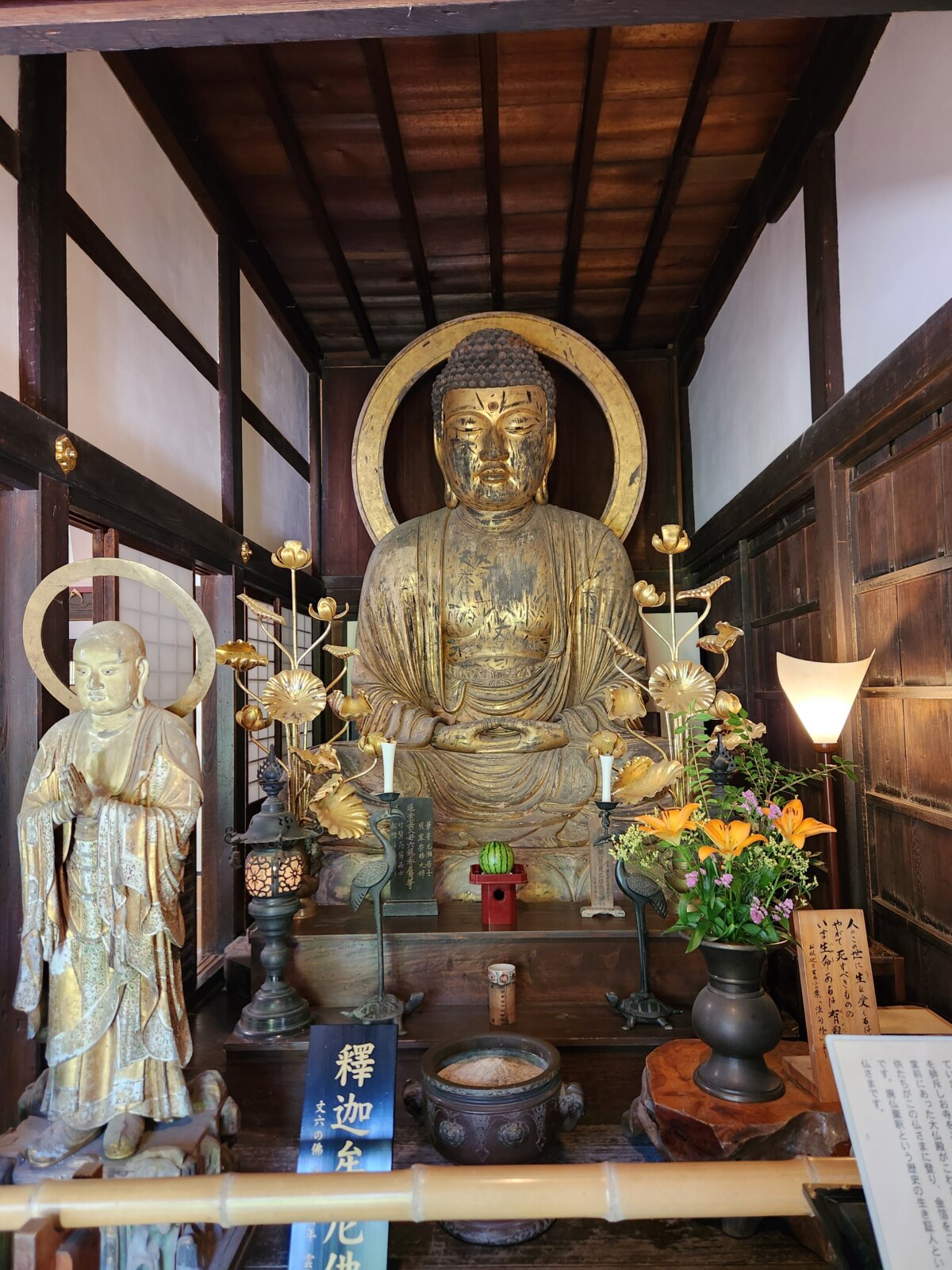
You may notice marks on the Buddha’s face and body. These date back to the early Meiji period during Haibutsu Kishaku, a movement in which temples, Buddhist statues, and religious objects were destroyed across Japan following the government’s policy separating Shinto and Buddhism. According to the temple, the marks were left by local children who climbed onto the statue and rubbed off its gold leaf.
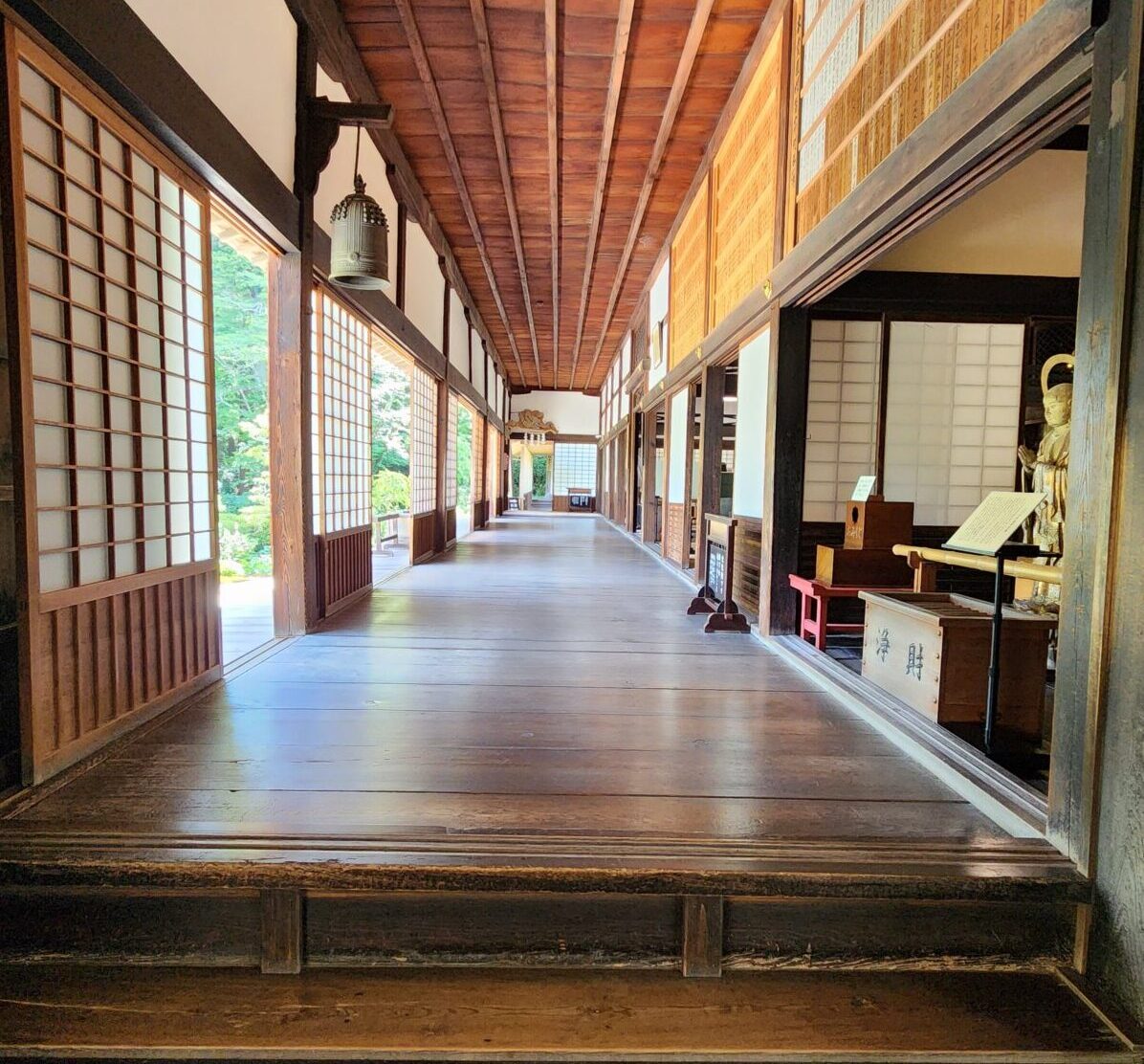
Extending from in front of the Joroku Buddha to the Main Hall is a corridor with uguisu-bari.
Originally designed to alert people to the presence of intruders, this traditional feature still works today. Walk quietly along the corridor and you’ll be able to hear the distinctive sound for yourself.
Highlight 3: The Peaceful Atmosphere Throughout the Lush Temple Grounds
Covering an area of approximately 0.85 times the size of the Tokyo Dome, the temple grounds are quiet and filled with beautiful seasonal flowers and lush greenery.
The gardens are carefully maintained by professional gardeners, ensuring they remain beautiful throughout the year. Whenever you visit, you’ll be welcomed by seasonal blooms that create a peaceful and relaxing atmosphere.
This is the garden in front of the Main Hall. Its picture-perfect beauty makes it look just like a postcard.
.jpg)
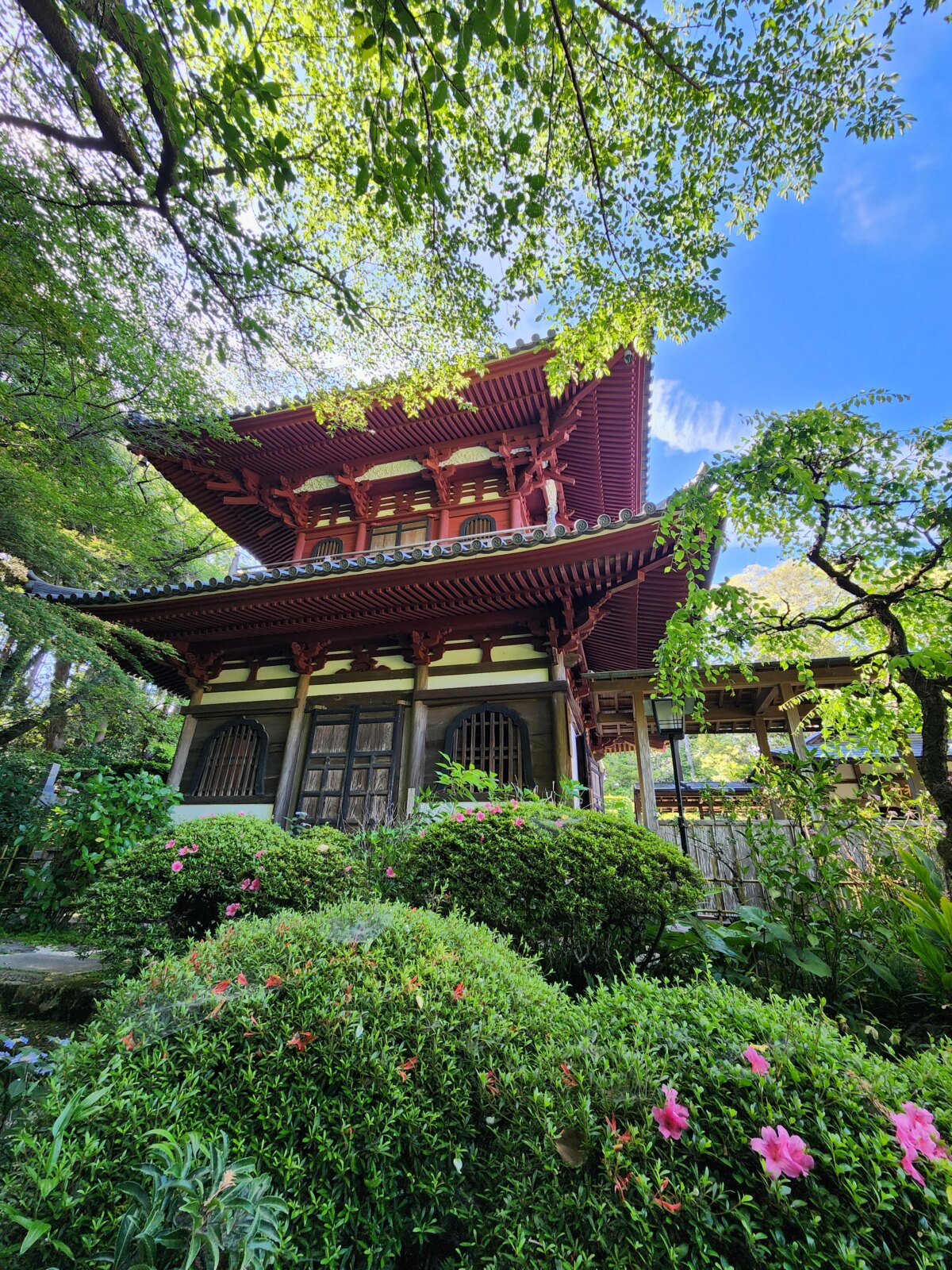
The exterior of the Kaisando, a Shizuoka Prefectural Cultural Property. The contrast between the surrounding greenery and the vermilion-painted building is truly striking.
According to Mr. Muto Soho, the head priest of Ryotanji Temple, autumn is the best time to visit.
Here’s how the garden looks during the autumn foliage season.
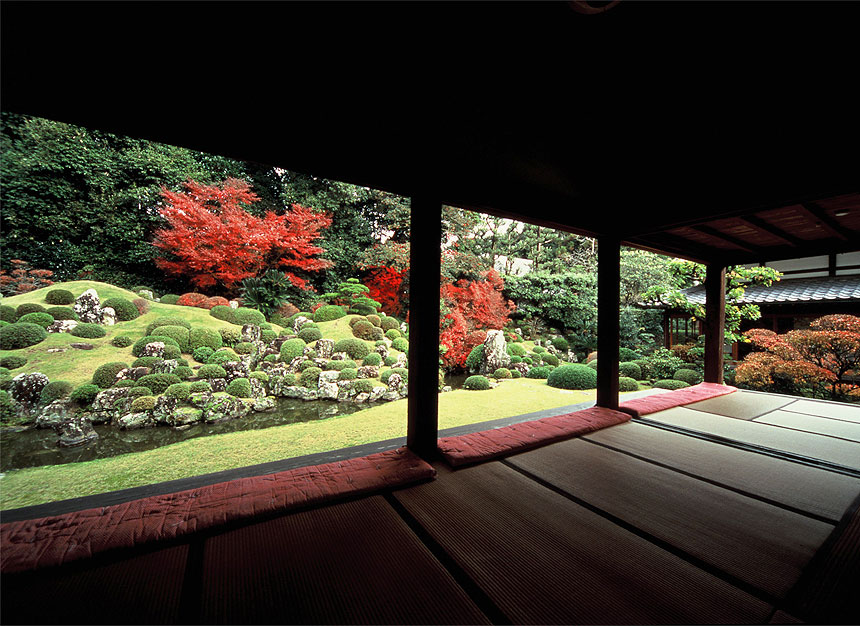
Photo courtesy of Ryotanji Temple
Facilities & Services at Ryotanji Temple
Restrooms: Available
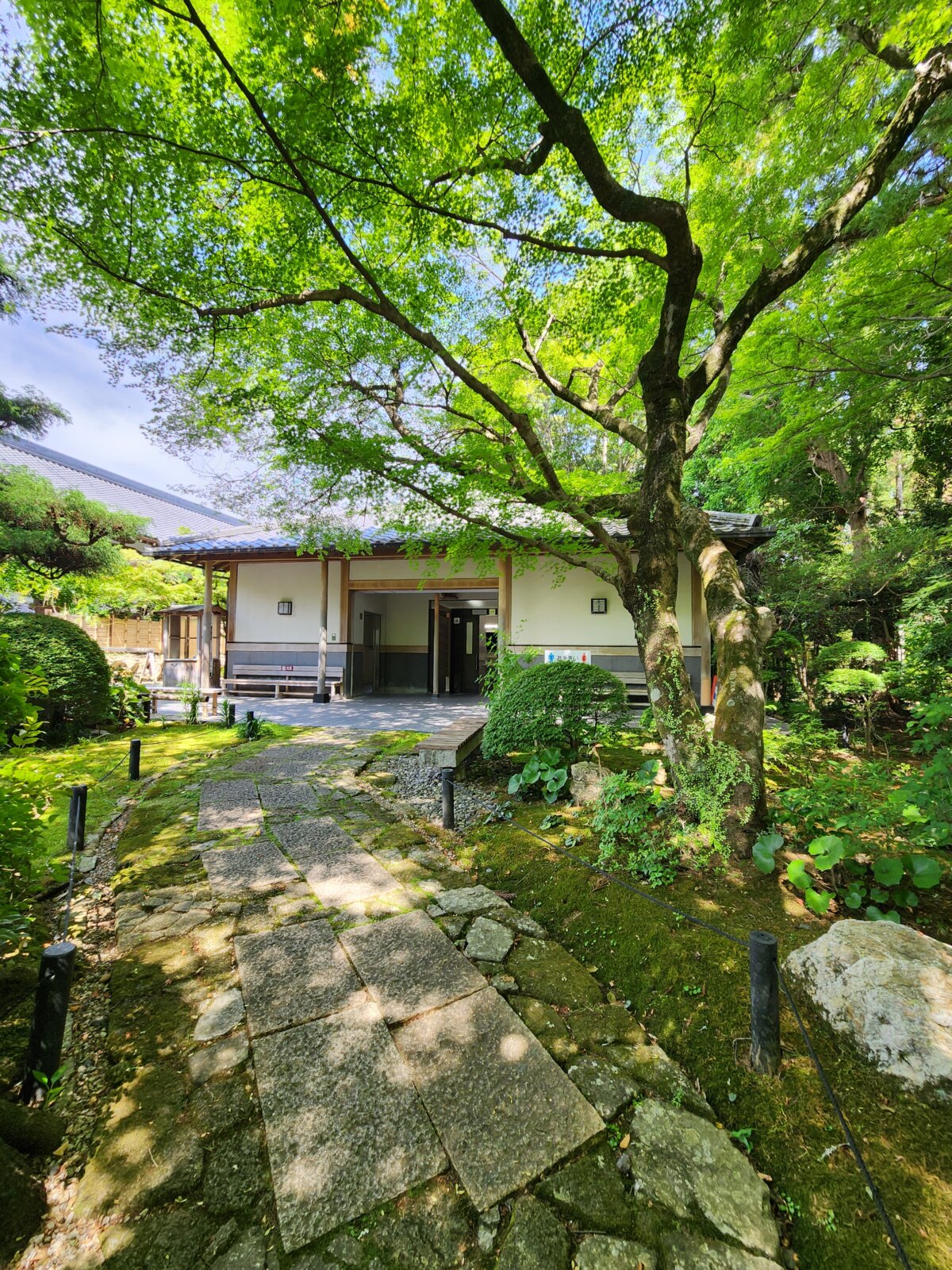
Rest Area: Available

Barrier-Free Access: Not available
Goshuin (temple stamps): Available
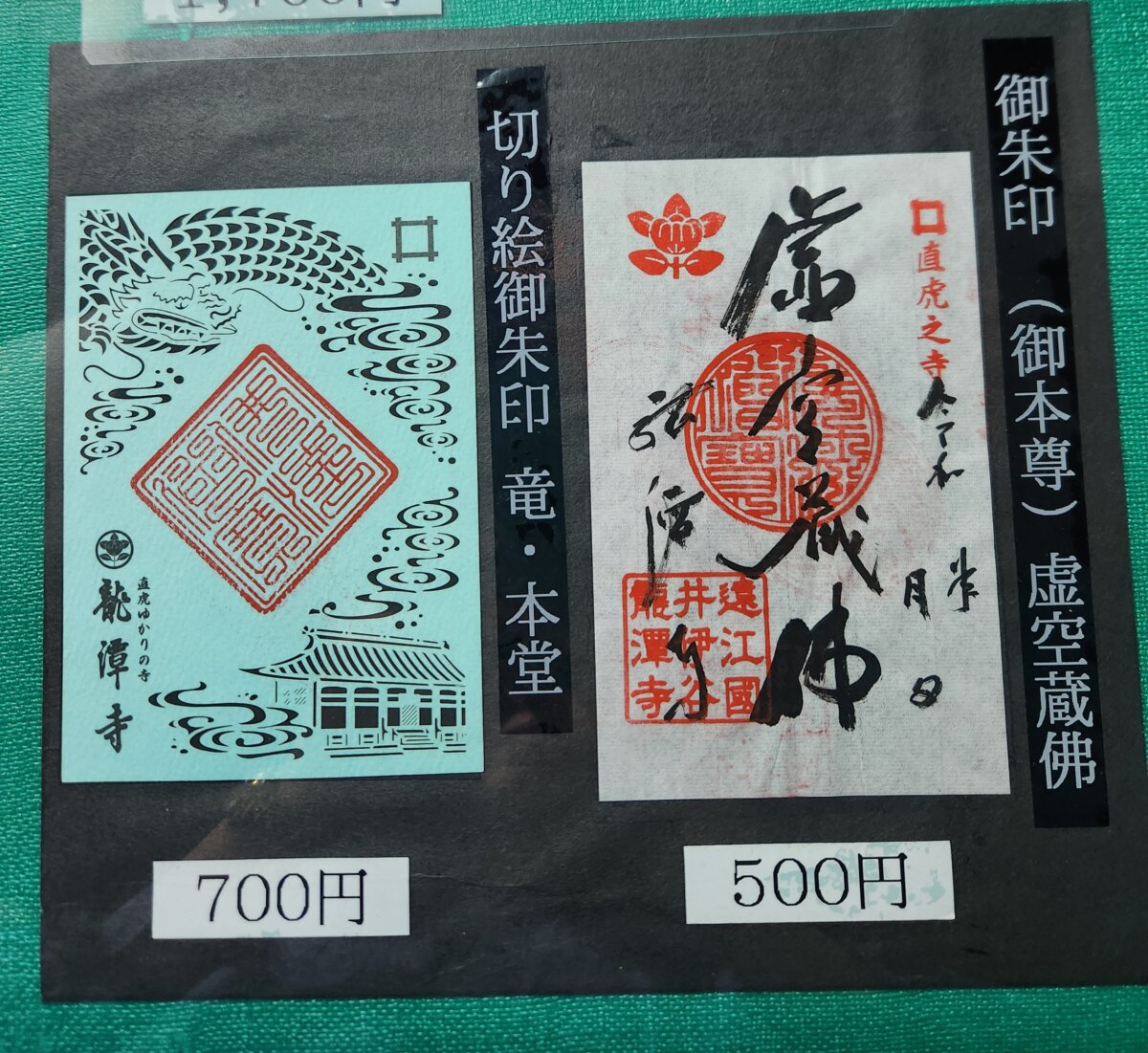
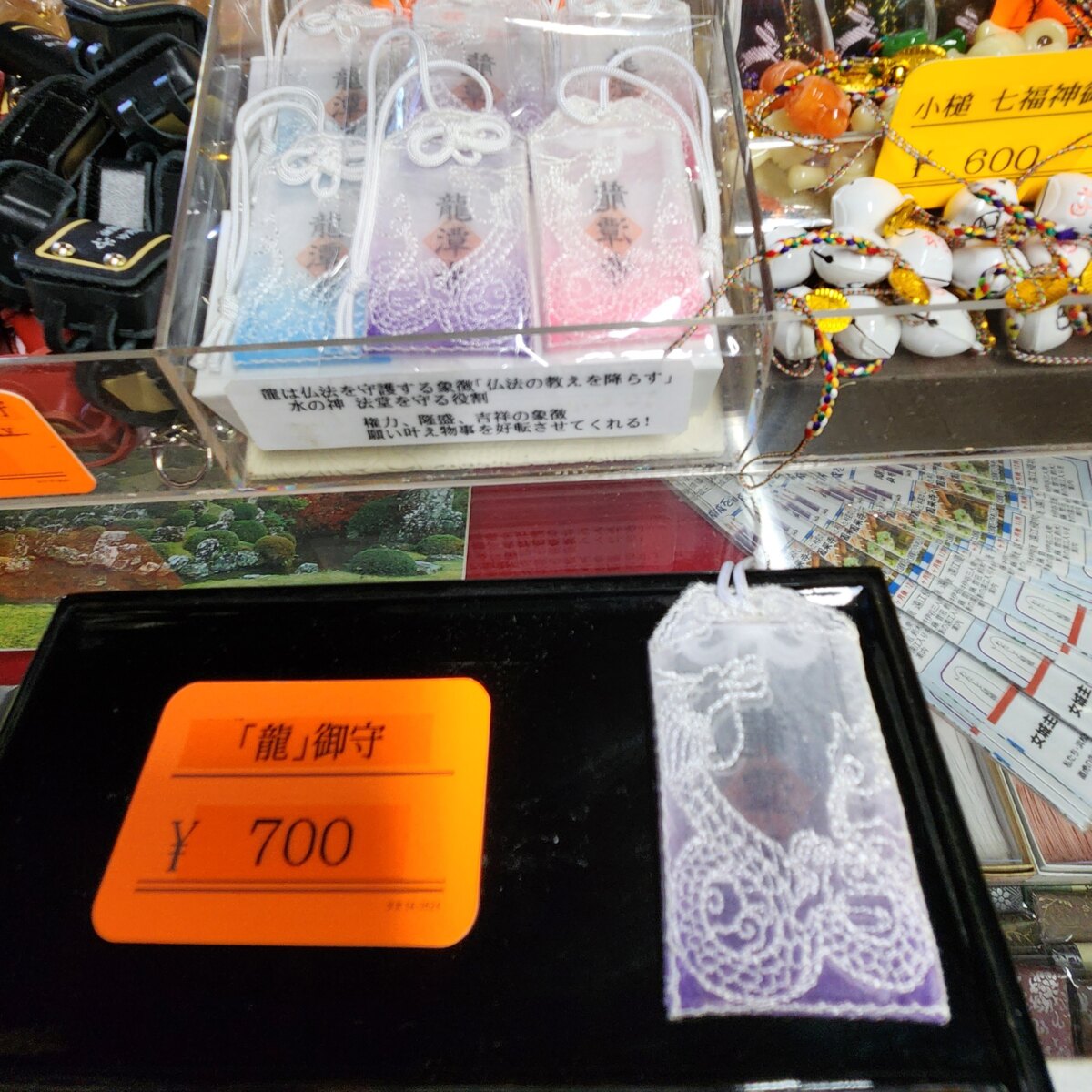
Temple Gift Shop: Available
The Dragon amulet, presented in a lace pouch, is especially popular.
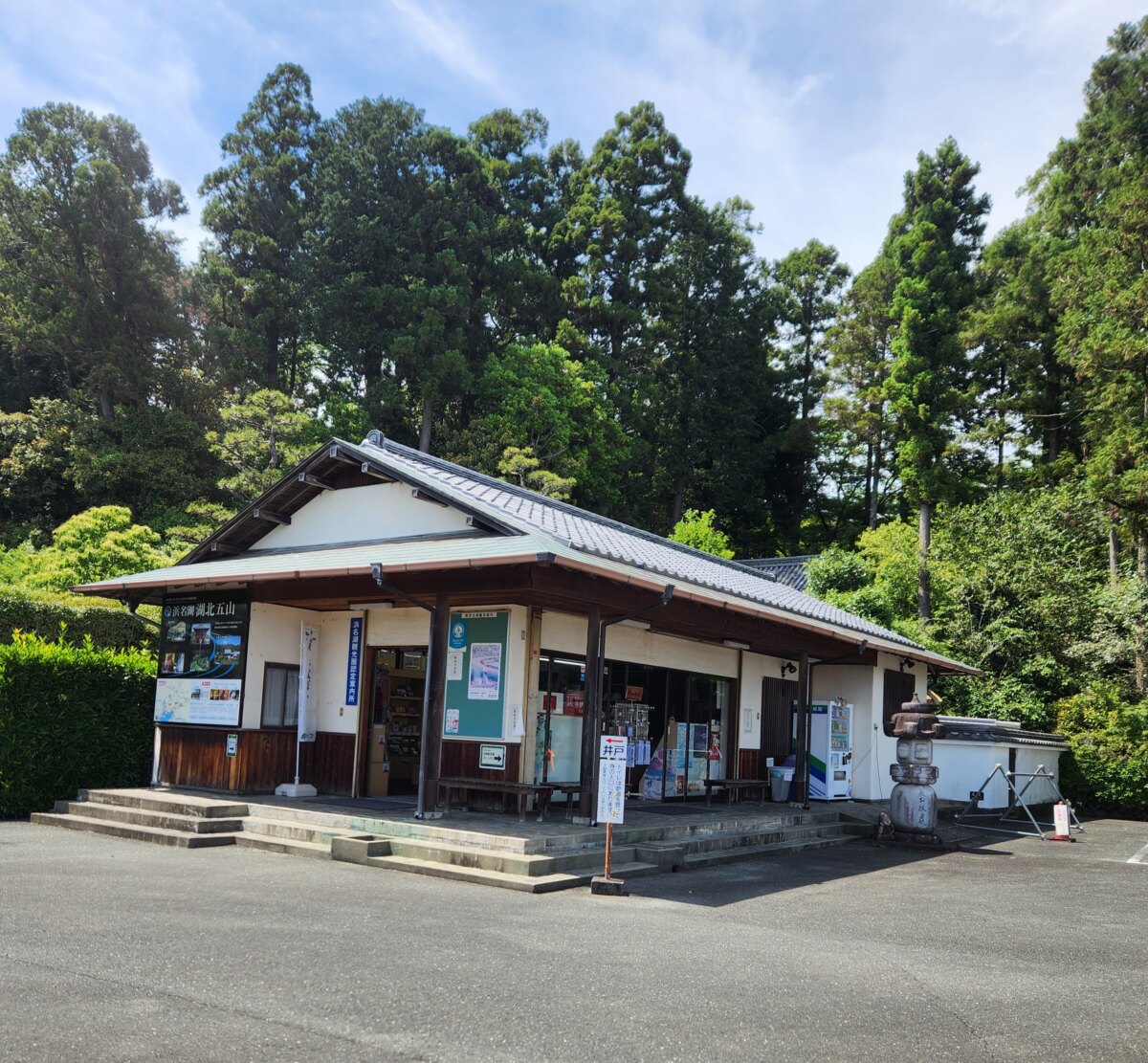
Souvenir Shop (Parking Area): Available (Ryotanji Yasumidokoro)
Recommended Souvenirs
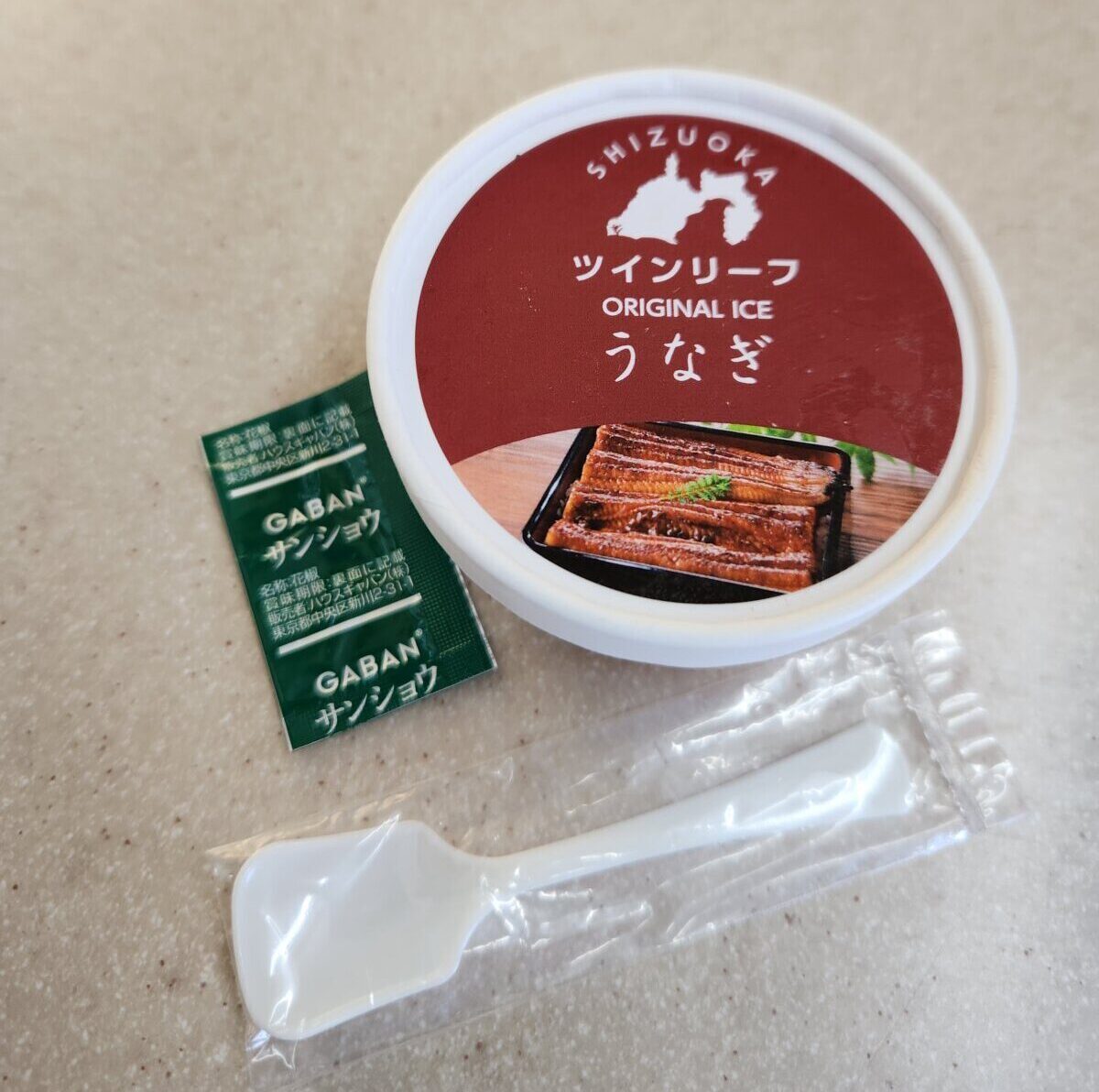
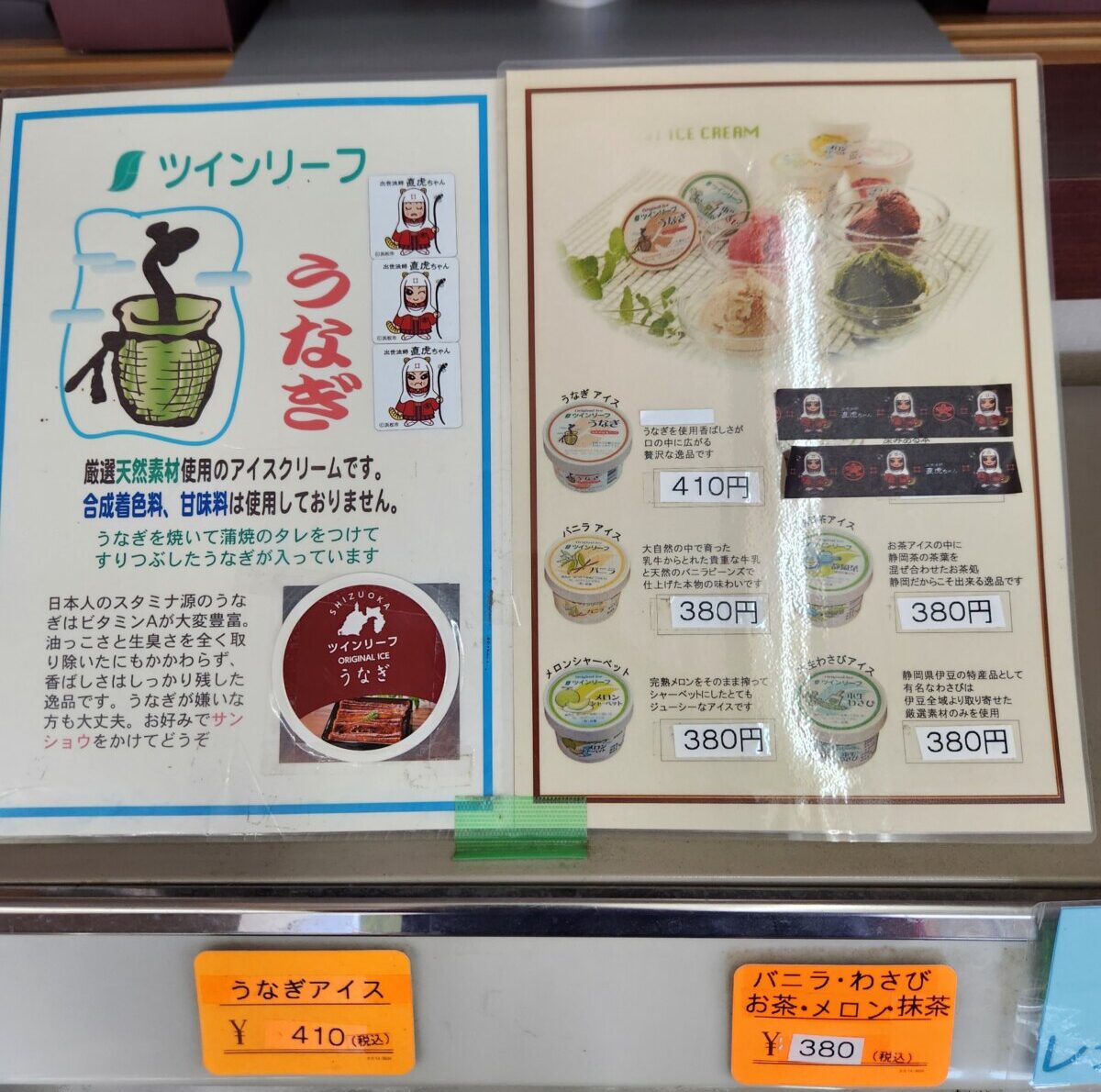
Unagi Ice Cream
Sweet ice cream with a hint of sweet and savory soy sauce-based eel sauce. For a different flavor, try sprinkling a little Japanese pepper (sansho) on top.
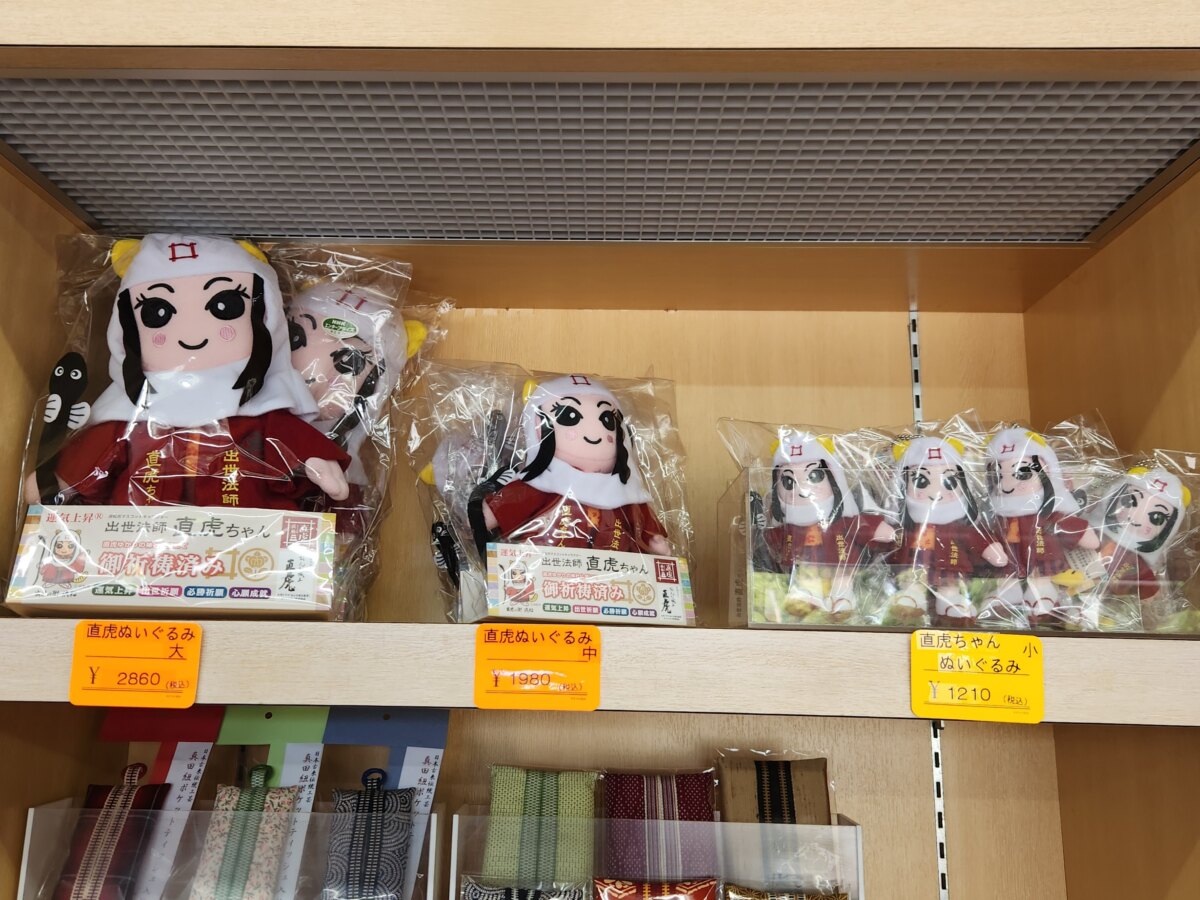
Naotora Doll
The small-sized version is available only at the shop while supplies last, and only a few remain.
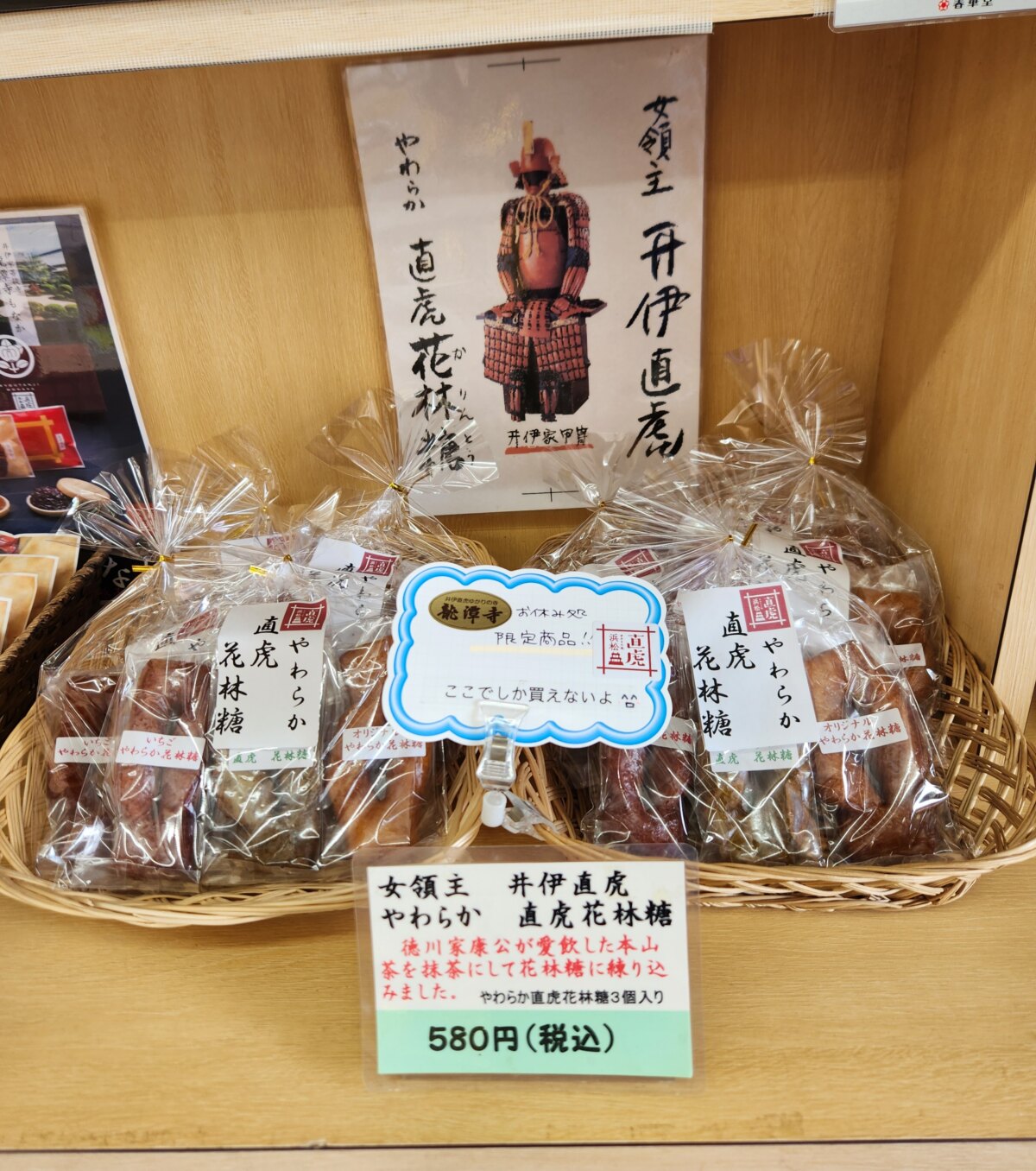
Soft Naotora Karinto
This special treat is available only here, so be sure to give it a try.
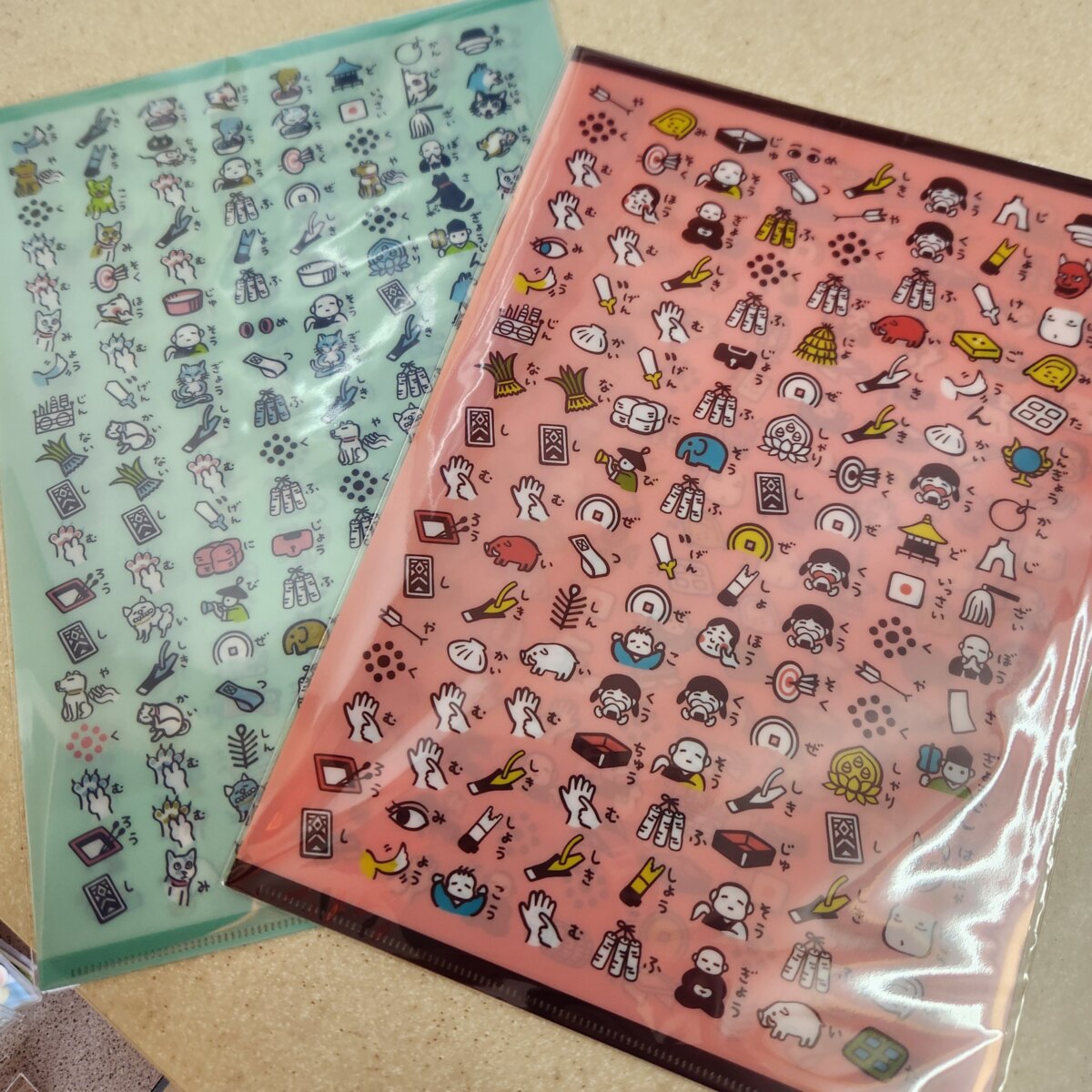
Heart Sutra Clear File & Eco Bag
The illustrated Heart Sutra makes it easy to understand.
The Dog and Cat Heart Sutra versions are also popular!

Crowds Information
Ryotanji Temple offers beautiful flowers and lush greenery throughout the year.
However, it tends to be busier during the cherry blossom season in spring, when the azaleas and satsuki azaleas are in bloom, and during the autumn foliage season.
Basic Information
Address: 1989 Iinoya, Inasa-cho, Hamana Ward, Hamamatsu
Phone: 053-542-0480
Opening Hours: 9:00 a.m. – 4:00 p.m. (Gates close at 4:30 p.m.)
Estimated visit time: approximately 60 minutes
Admission:
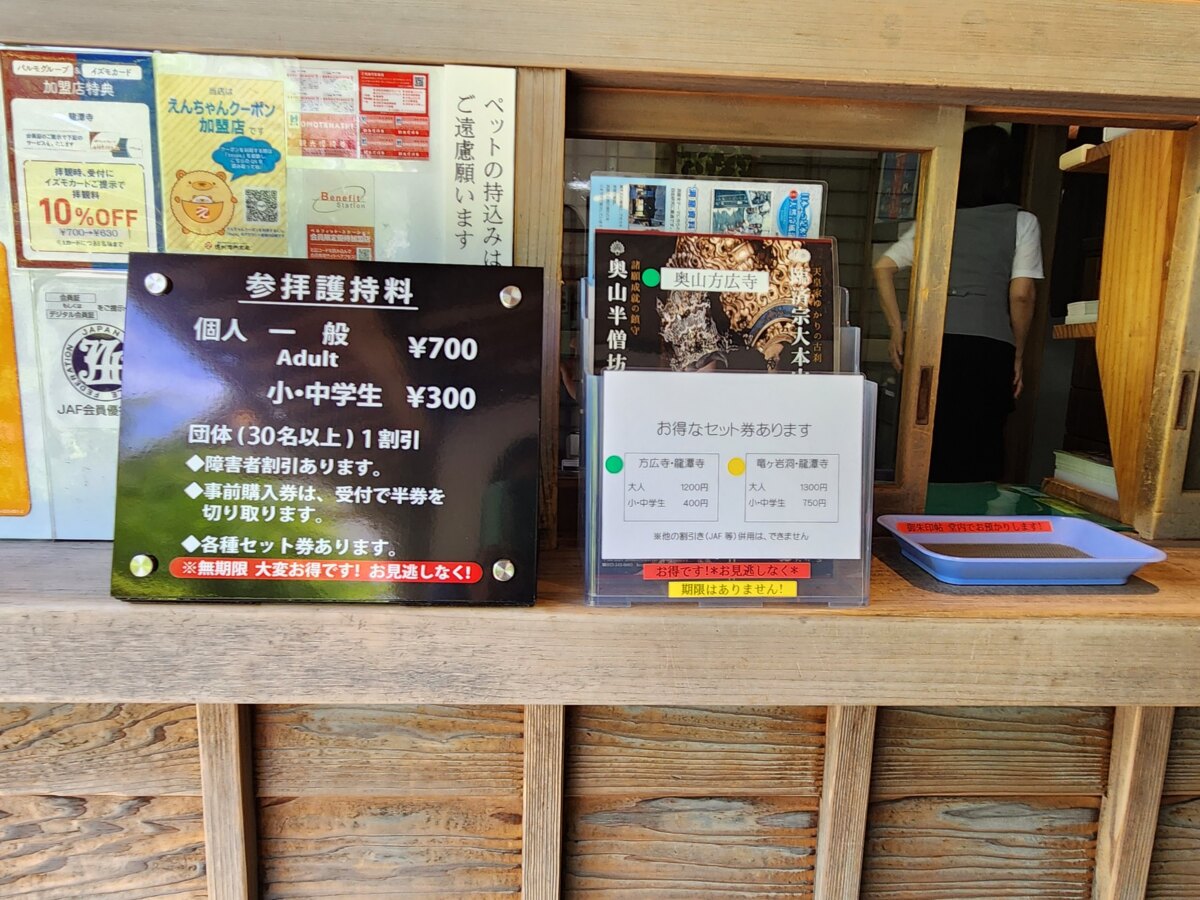
Adults (High school students and above): ¥700
Children (Elementary and junior high school students): ¥300
Group discount available (30+ people). Reservation required.
Closed: August 15 and December 22–27 each year
The temple is closed on these dates every year. It may also close temporarily due to temple events or in the event of weather warnings, evacuation advisories, or other emergencies.
Official Website: https://ryotanji.com/index.html
Access
By Car
・About 30 minutes from Hamamatsu-Nishi Interchange (I.C.) on the Tomei Expressway
・About 20 minutes from Mikkabi Interchange (I.C.) on the Tomei Expressway
・About 10 minutes from Hamamatsu Inasa Interchange (I.C.) on the Shin-Tomei Expressway
By Bus
Take the Entetsu Bus from Platform 15 at the Hamamatsu Station Bus Terminal and board the Route 45 bound for Okuyama. Get off at the Jinguji bus stop, then walk about 10 minutes to the temple.
Entetsu Bus Official Website: https://bus.entetsu.co.jp/
By Train
・Take the Enshu Railway from Shin-Hamamatsu Station toward Nishikajima Station and get off at Nishikajima Station. Transfer to the Tenryu Hamanako Railway and take a train toward Shinjohara Station. Get off at Kanasashi Station, then take a taxi for about 5 minutes.
・Take the JR Tokaido Main Line to Shinjohara Station. Transfer to the Tenryu Hamanako Railway and take a train toward Kakegawa Station. Get off at Kiga Station, then take a taxi for about 5 minutes.
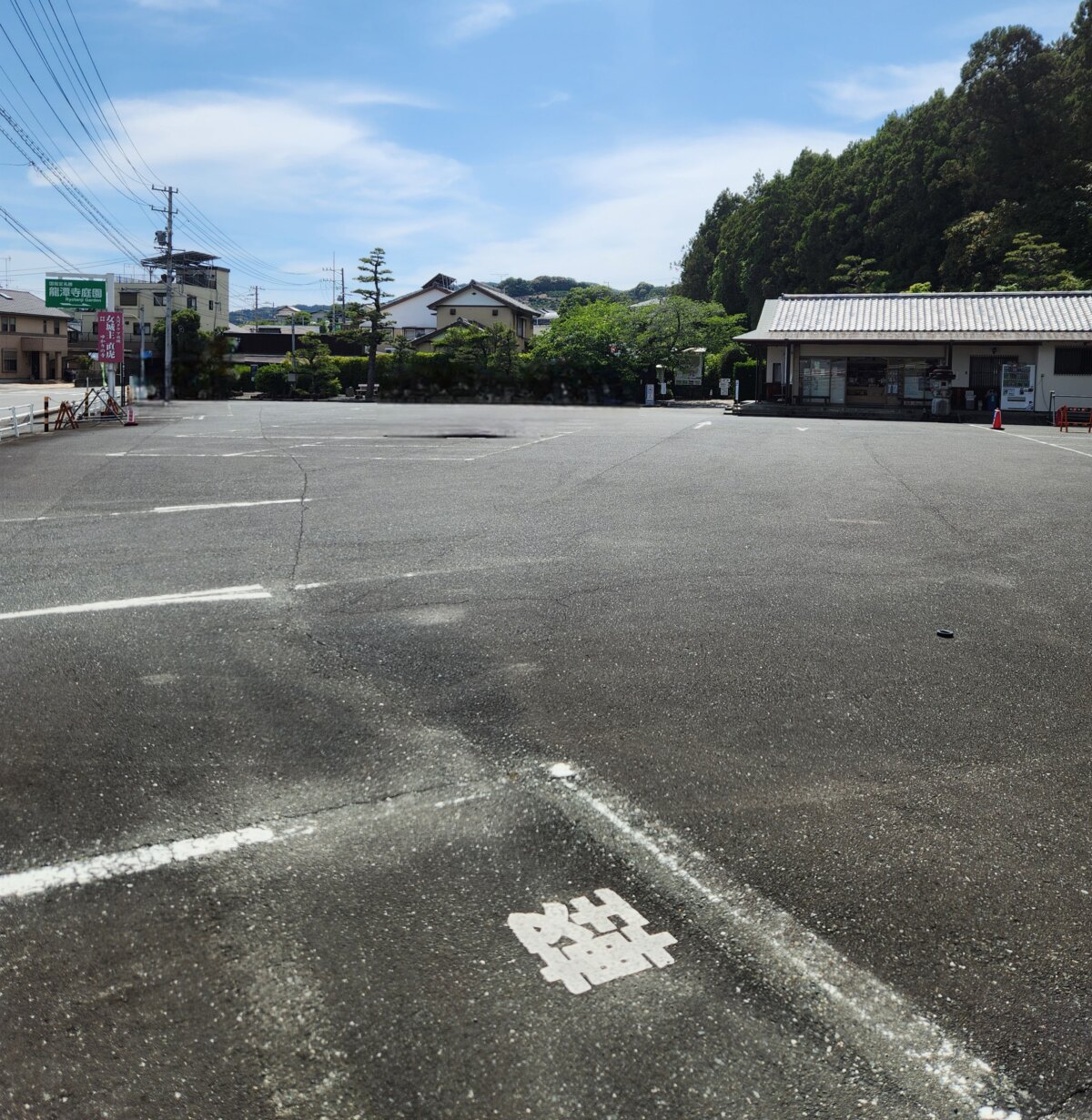
Parking: Available (Free)
Main Parking Lot: 12 large buses, 40 passenger cars
East Parking Lot: 19 passenger cars
Second Parking Lot: 27 passenger cars
Accessible Parking Spaces: 4 passenger cars
Tourist Attractions Around Ryotanji Temple
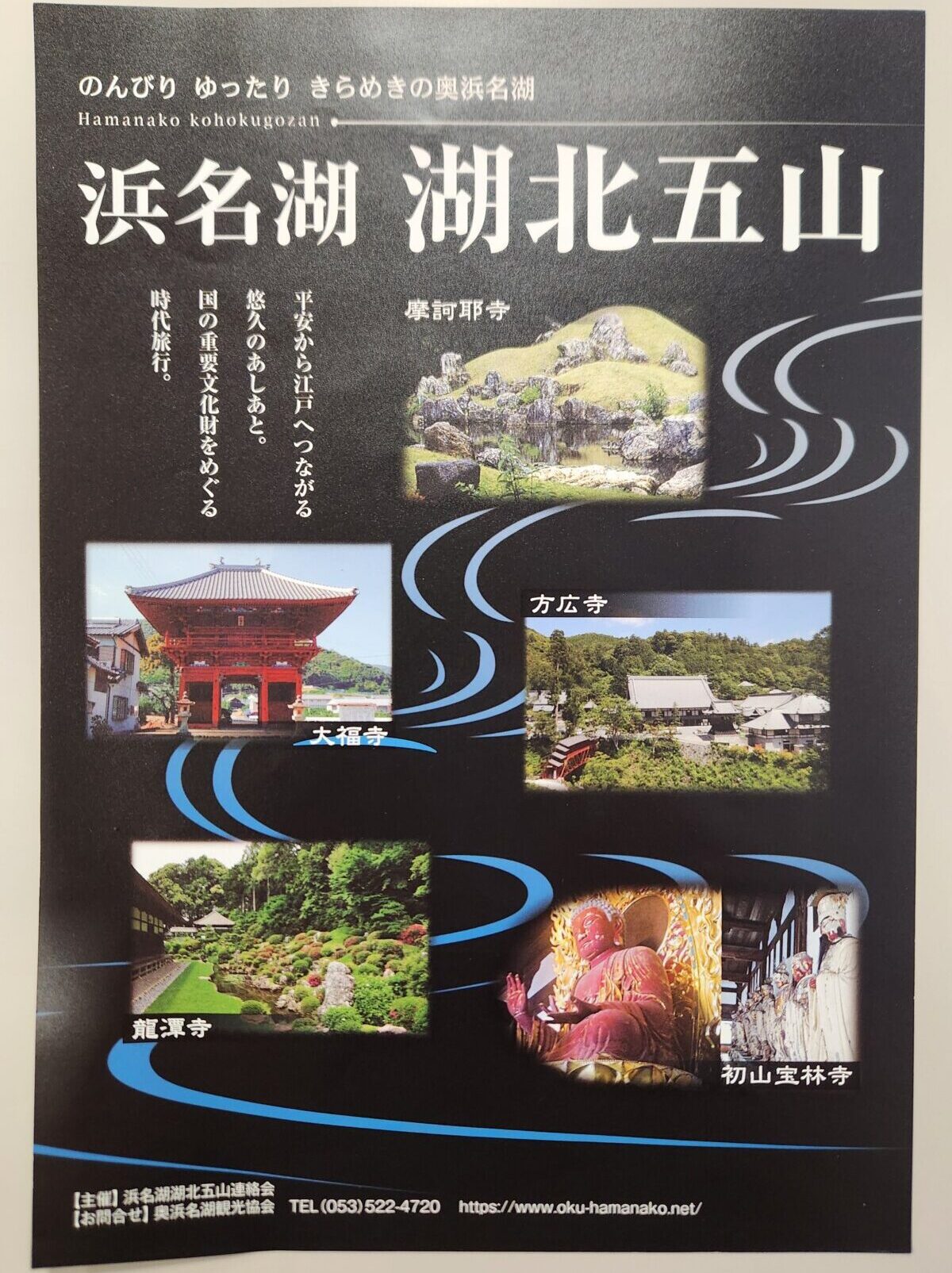
We recommend exploring the Kohoku Gozan Temples of Lake Hamana, a relaxing journey through the scenic Okuhamanako area.
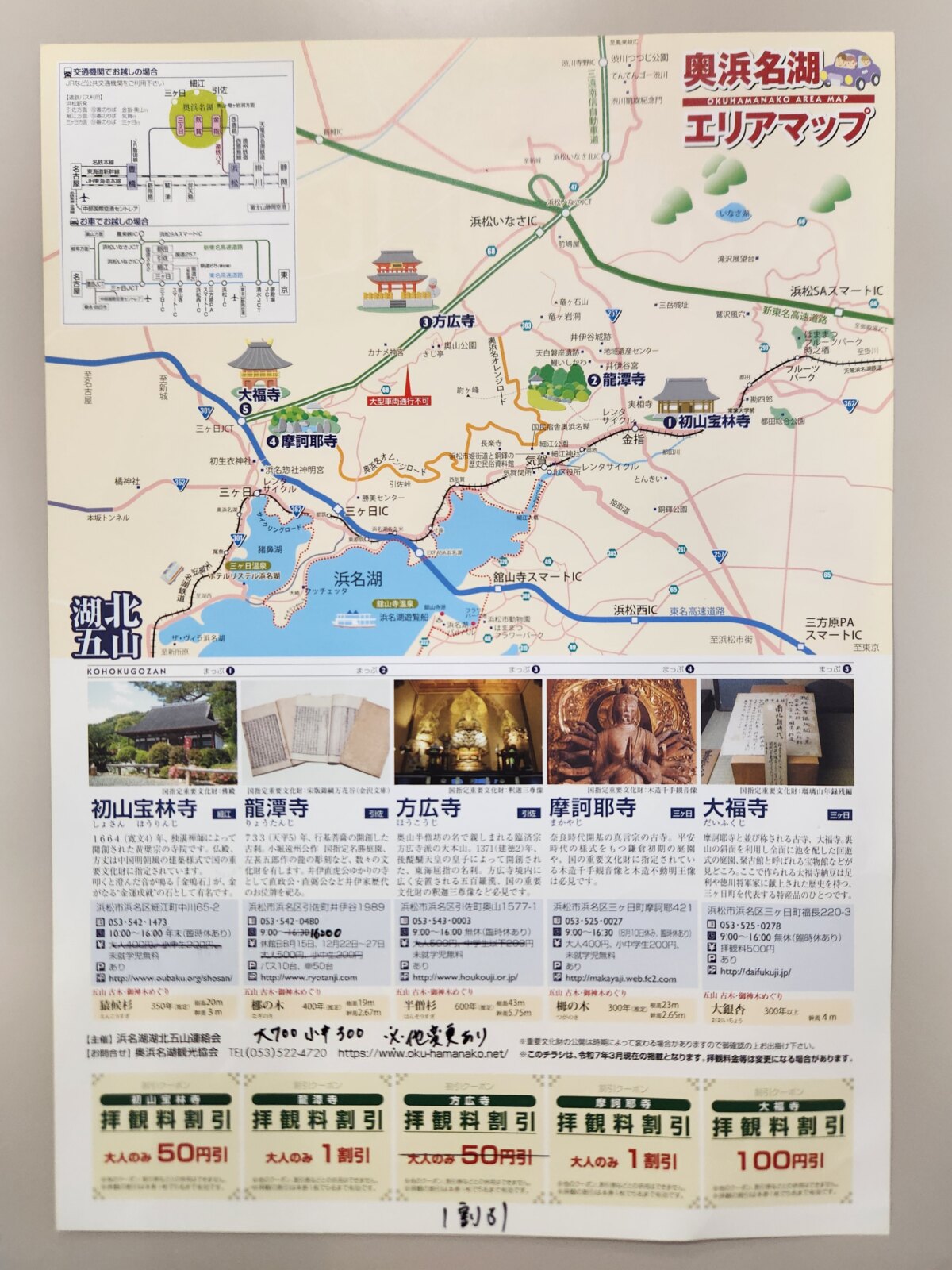
The Kohoku Gozan refers to five temples in the Okuhamanako region that are home to nationally designated Important Cultural Properties.
In addition to Ryotanji Temple, which we visited for this article, the five temples include Shosan Horinji Temple (Nakagawa, Hosoe-cho), Hokoji Temple (Okuyama, Inasa-cho), Makayaji Temple (Makaya, Mikkabi-cho), and Daifukuji Temple (Fukunaga, Mikkabi-cho). These temples were founded or established from the Nara period to the Edo period and have been carefully preserved and passed down through generations.
Enjoy a journey through the Kohoku Gozan temples while taking in the beautiful seasonal scenery.
A guide pamphlet for the Kohoku Gozan is available at Ryotanji Temple. It includes admission discount coupons for the temples, so be sure to pick one up.
A Message from Mr. Muto Soho to Our Visitors
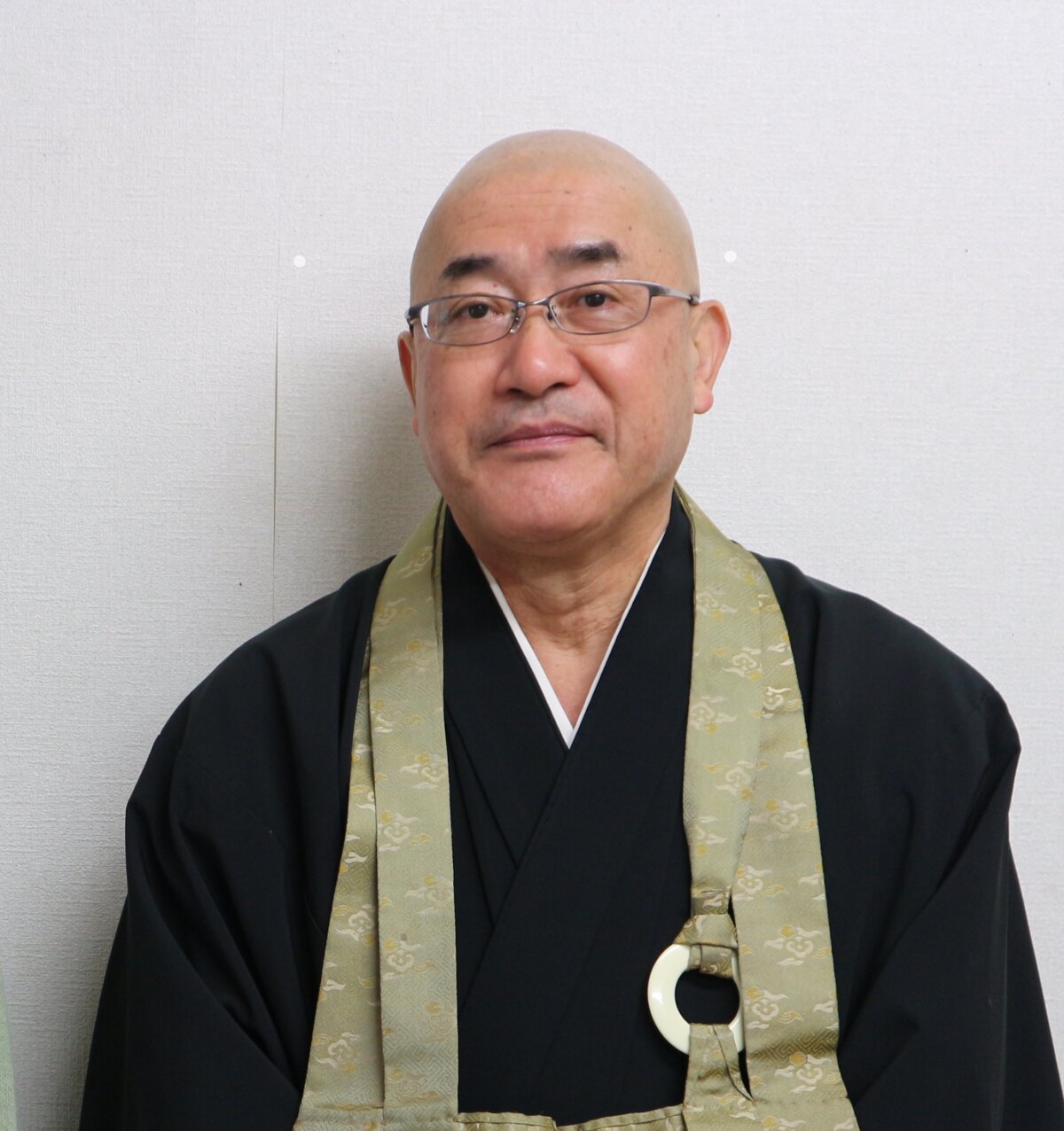
Ryotanji Temple is a historic temple known as the family temple of the Ii clan, surrounded by beautiful greenery and seasonal flowers throughout the year.
The six buildings of the Ryotanji Temple complex — the Sanmon Gate, Main Hall, Kaisando, Ii Family Otamaya, Inarido, and Kuri — were designated as Shizuoka Prefectural Tangible Cultural Properties in 1995 and are highly valuable historic structures.
The nationally designated scenic Ryotanji Garden is another highlight of the temple.
We hope you will take your time to explore the temple while feeling its rich history.
Please visit Ryotanji Temple and experience the history and stories it has preserved. We look forward to welcoming you.
We introduced Ryotanji Temple, located in Iinoya, Inasa-cho, Hamana Ward, Hamamatsu.
During our visit, the satsuki azaleas were in bloom, and we could also see some hydrangea buds beginning to appear. Be sure to visit Ryotanji Temple, where you can enjoy a beautiful garden and historic buildings in a peaceful setting.
Interview cooperation and some photos provided by Ryotanji Temple
*The information in this article is subject to change.