Get to Know Hamamatsu
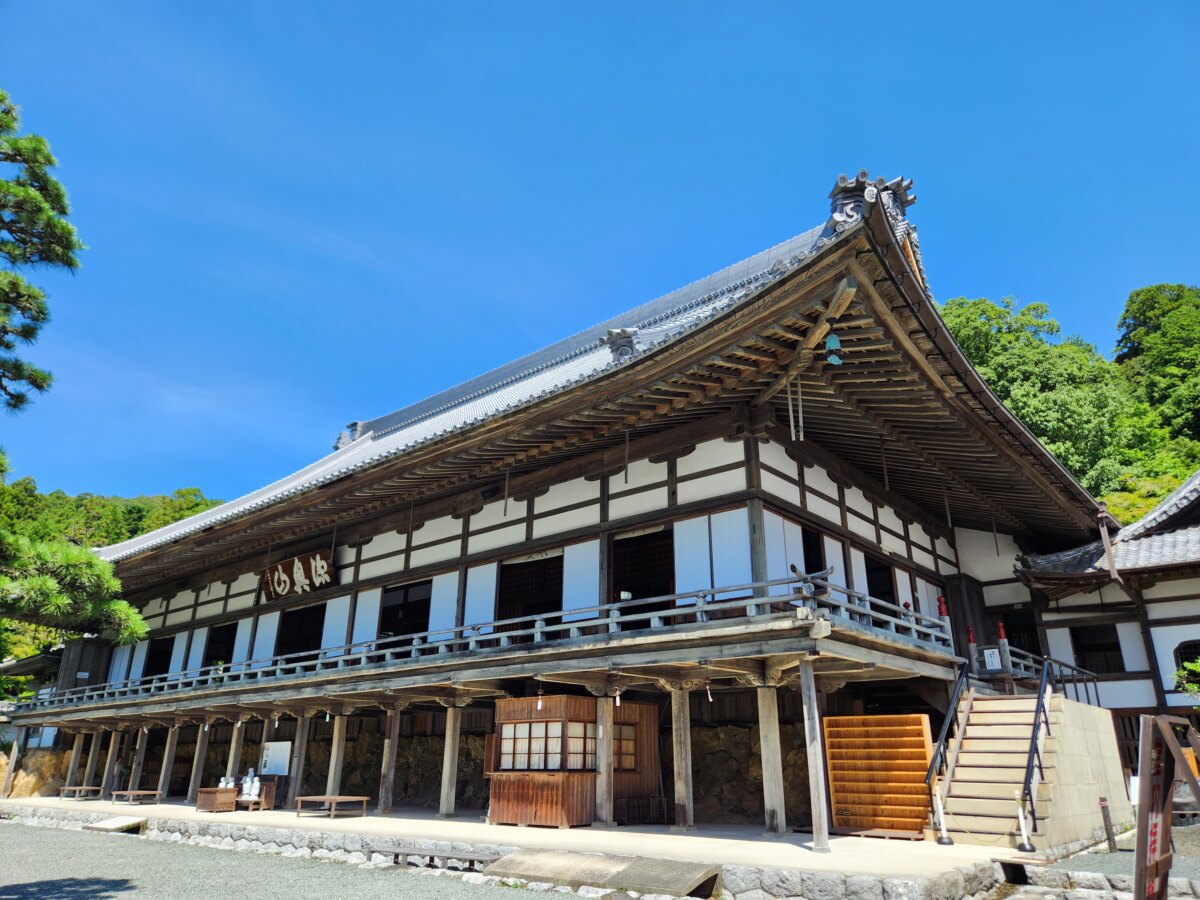

[Houkouji Temple, Head Temple of the Houkouji Sect of Rinzai Buddhism] A Renowned Zen Temple in the Tokai Region, with Beautiful Seasonal Scenery
Nestled in the lush green mountains, Houkouji Temple is known for its beautiful harmony between the temple buildings and the surrounding natural landscape. It is a wonderful place to visit in every season, with scenery that changes throughout the year.
This article was created on August 27, 2026.
We visited Houkouji Temple, the head temple of the Houkouji Sect of Rinzai Buddhism, located in Okuyama, Inasa-cho, Hamana Ward, Hamamatsu City.
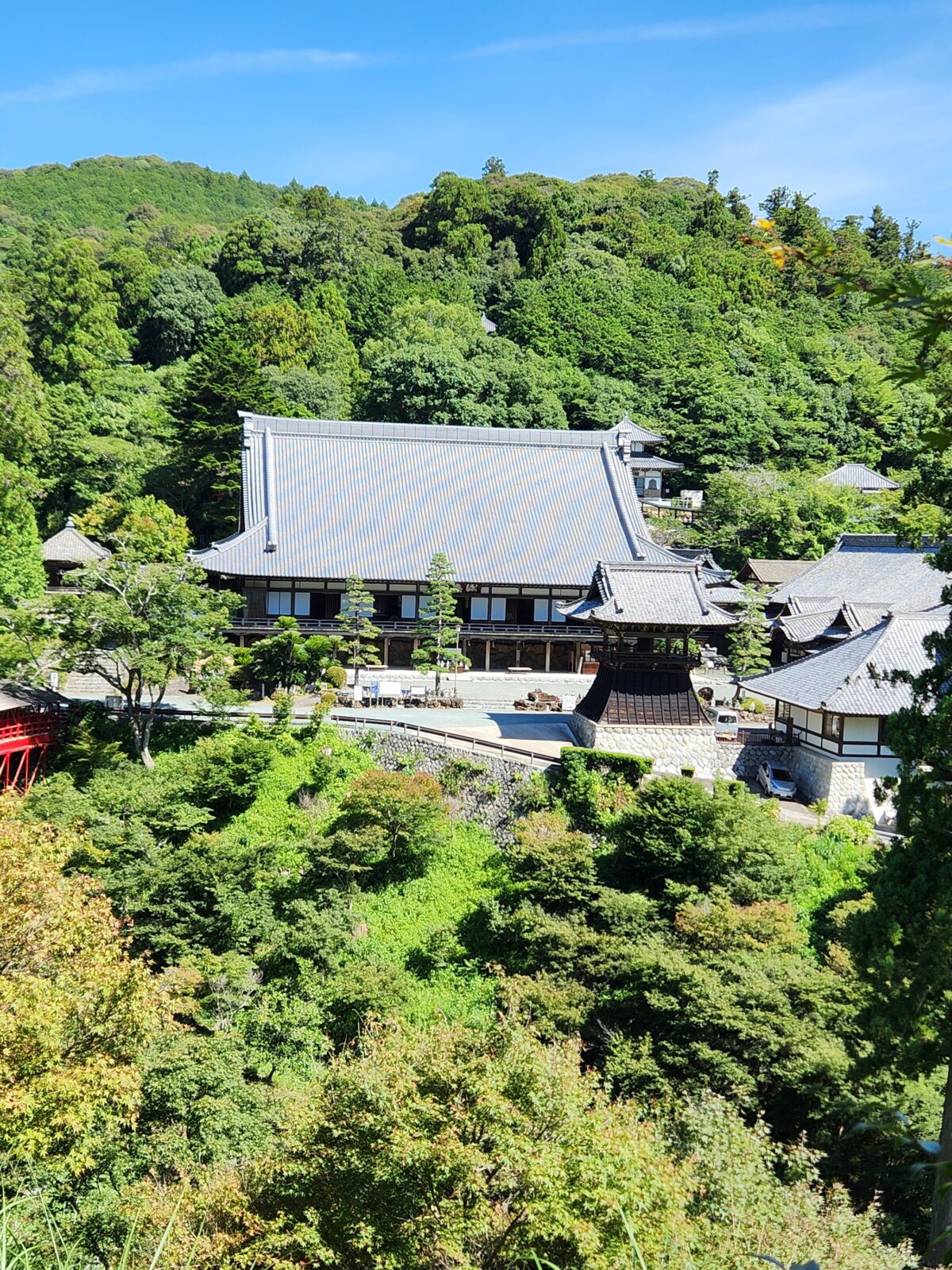
In 1371, Okuyama Rokurojiro Tomofuji, a local feudal lord who ruled this area at the time, invited Mumongensenzenji, the 11th son of Emperor Godaigo, to establish the temple here.
Nestled in the lush green mountains, Houkouji Temple is known for its beautiful harmony between the temple buildings and the surrounding natural landscape. It is a wonderful place to visit in every season, with scenery that changes throughout the year.
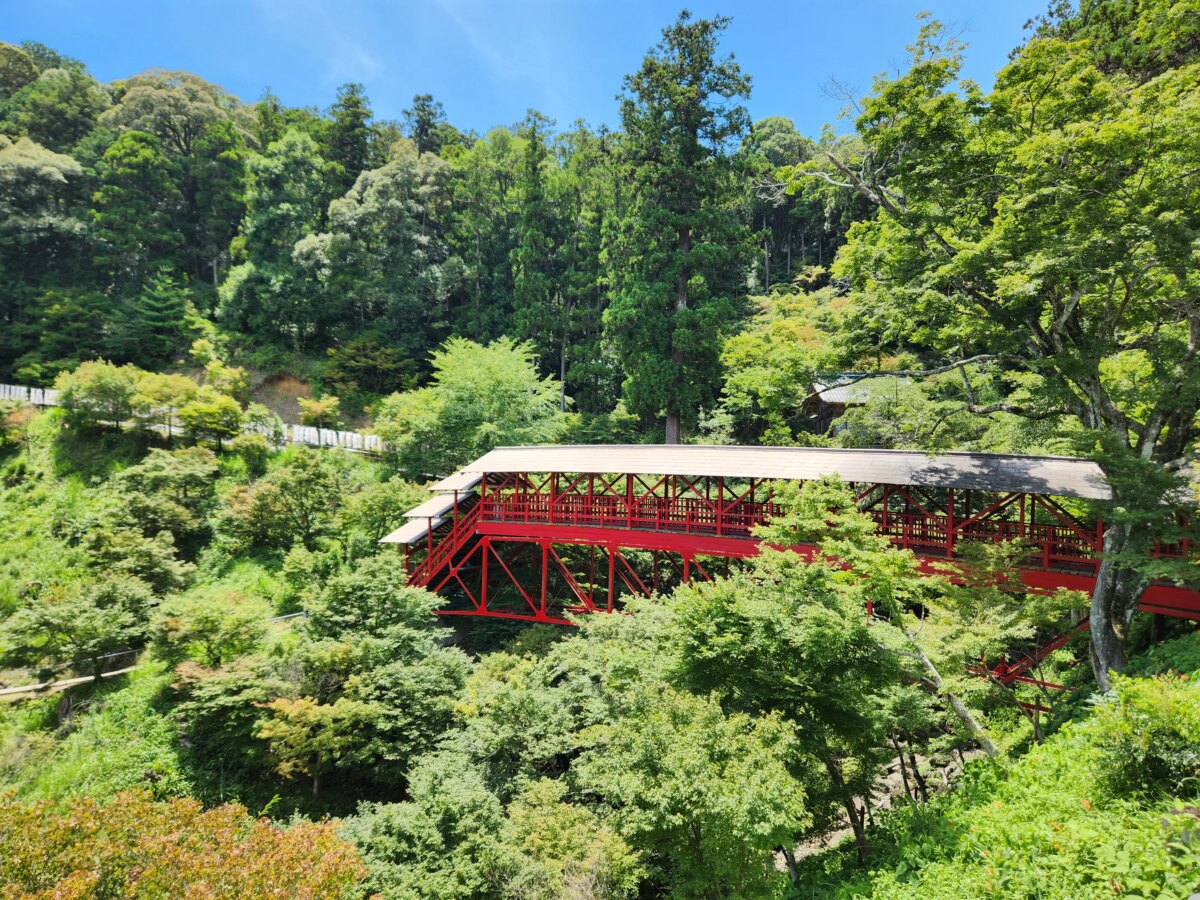
In this article, we introduce Houkouji Temple, the head temple of the Houkouji Sect of Rinzai Buddhism, home to numerous Registered Tangible Cultural Properties, including the Shaka Sanzon, a Nationally Designated Important Cultural Property.
About Houkouji Temple, Head Temple of the Houkouji Sect of Rinzai Buddhism
Houkouji Temple, the head temple of the Houkouji Sect of Rinzai Buddhism, was founded in 1371 by Mumongensenzenji.
Rinzai Buddhism is divided into 14 sects, each with its own head temple. Seven of these sects are based in Kyoto, while the other seven are based in different regions of Japan. Houkouji Temple in Hamamatsu is the head temple of the Houkouji Sect of Rinzai Buddhism.
The temple grounds are home to the Shaka Sanzon, a Nationally Designated Important Cultural Property, as well as 22 buildings designated as Nationally Registered Tangible Cultural Properties. With its many historic buildings and cultural assets, Houkouji Temple is a site of great historical significance.

Houkouji Temple is also known by the name Okuyama Hansobo.
The story behind this name dates back to an incident that occurred while Mumongensenzenji, the founder of Houkouji Temple, was returning to Japan by ship from Yuan China.
According to legend, he encountered a typhoon at sea and was on the verge of losing his life. At that moment, a mysterious figure described as a “white-haired man with a prominent nose” suddenly appeared.
It is said that this mysterious figure protected Mumongensenzenji from the storm and guided him safely back to Japan.
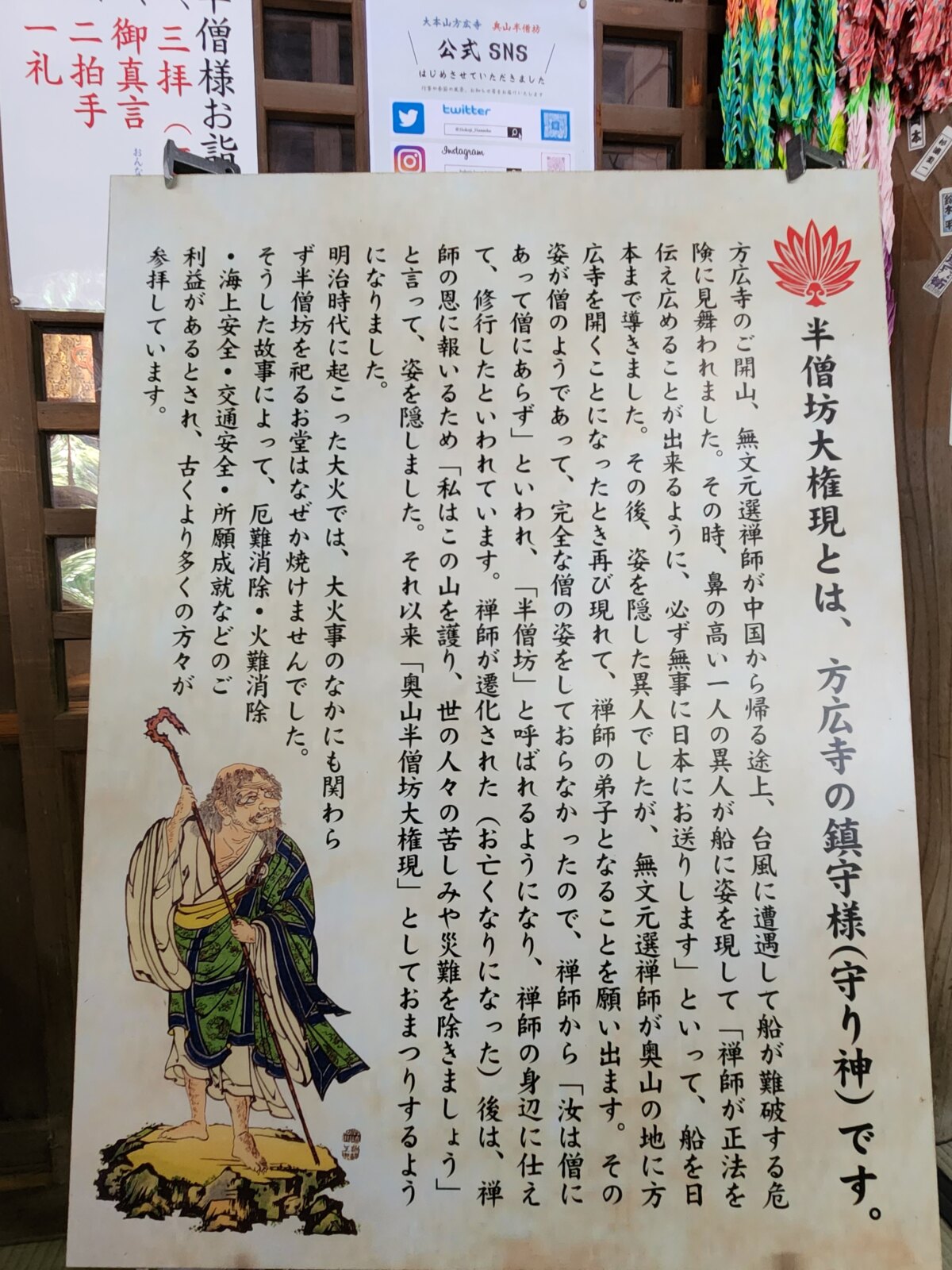
Mumongensenzenji later traveled throughout Japan before establishing Houkouji Temple in Okuyama.
It is said that at that time, the “white-haired man with a prominent nose” whom he had encountered at sea appeared once again and said to Mumongensenzenji:
“I am the deity of this mountain. I knew that you would come here. I thought it would be a shame to let such a remarkable person as you perish at sea, so I came to your aid. From now on, I wish to train under your guidance.”
Upon hearing these words, Mumongensenzenji described him as “half a monk, yet not quite a monk.” From this, the white-haired figure came to be known as Hansobo, meaning “Half-Monk.”
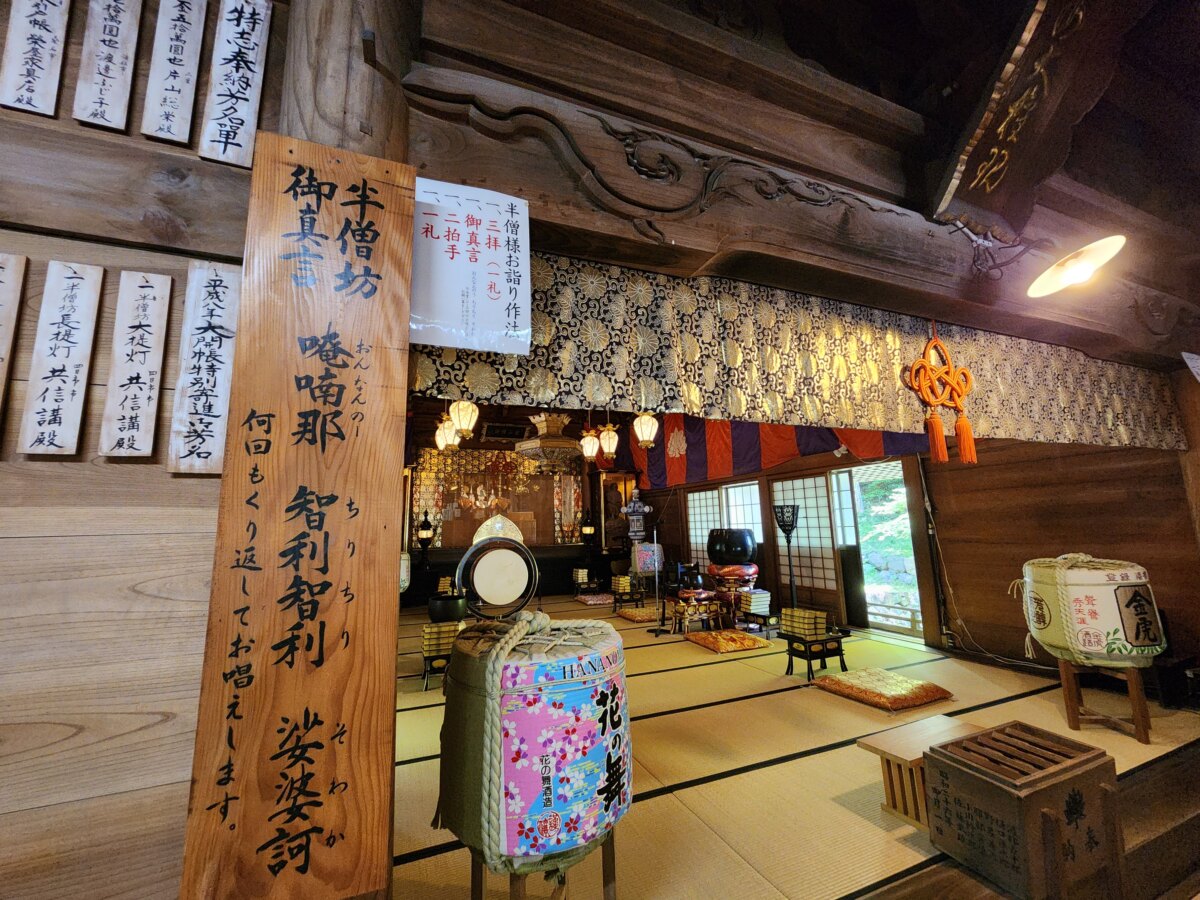
Hansobo became a disciple of Mumongensenzenji and devoted himself to his training while serving under him. After Mumongensenzenji passed away, Hansobo is said to have disappeared after declaring, “I will protect this mountain and this temple, and I will help relieve people from suffering and misfortune.”
Since then, Hansobo has been enshrined as the guardian deity of Houkouji Temple. Revered as a Gongen deity who protects people from suffering and misfortune, Hansobo continues to be an important object of worship.
At the Homotsu-ten in the main hall, you can watch a video of about 12 minutes introducing the history of Houkouji Temple.

Learning about the temple’s history before exploring the grounds can help you better understand the historical background and appreciate your visit on a deeper level.
A Guide to the Highlights of Houkouji Temple
Spread across a vast 5,000-tsubo temple grounds, Houkouji Temple is home to many valuable historical materials and historic buildings, including the Shaka Sanzon, a Nationally Designated Important Cultural Property.
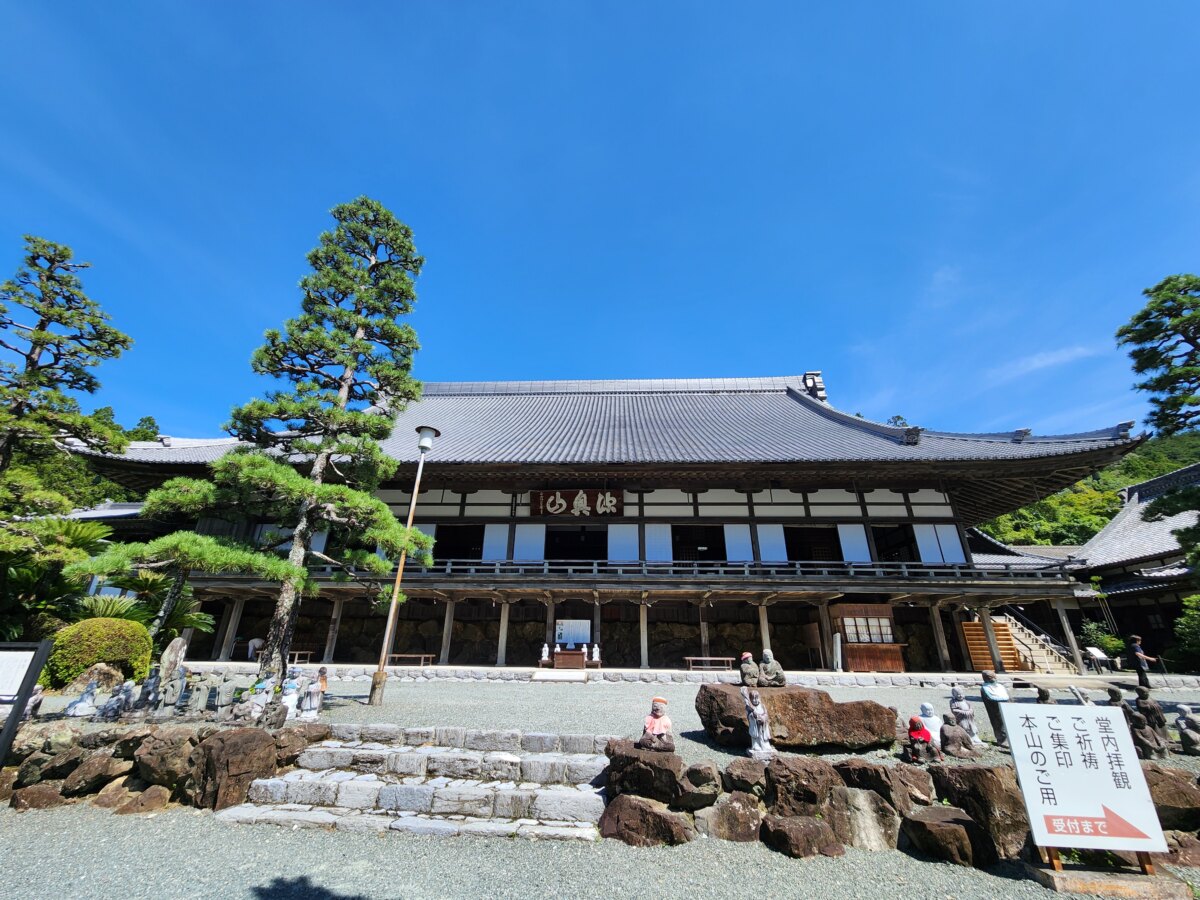
Twenty-two buildings, including the main hall, have been designated as Nationally Registered Tangible Cultural Properties, making the temple grounds full of things to see and discover.
Surrounded by lush greenery, Houkouji Temple also offers plenty of great photo spots.

Several POP displays have been placed around the temple grounds, featuring easy-to-follow explanations of recommended angles for photographing the scenery. They are designed to help visitors enjoy the beautiful scenery of each season.
When taking photos around the temple grounds, be sure to check them out for some helpful tips!
Here are three highlights of Houkouji Temple that we recommend checking out.
Highlight 1: Shaka Sanzon, a Nationally Designated Important Cultural Property
Above the entrance to the main hall, where the Shaka Sanzon is enshrined, hangs a large calligraphy plaque bearing the temple’s mountain name, Shinnozan.
The calligraphy was written by Yamaoka Tesshu, a renowned master of swordsmanship, Zen, and calligraphy.

Step inside the main hall, and its impressive size is sure to catch your attention. Measuring 32 meters wide and 27 meters deep, it is the largest temple hall in the Tokai region.
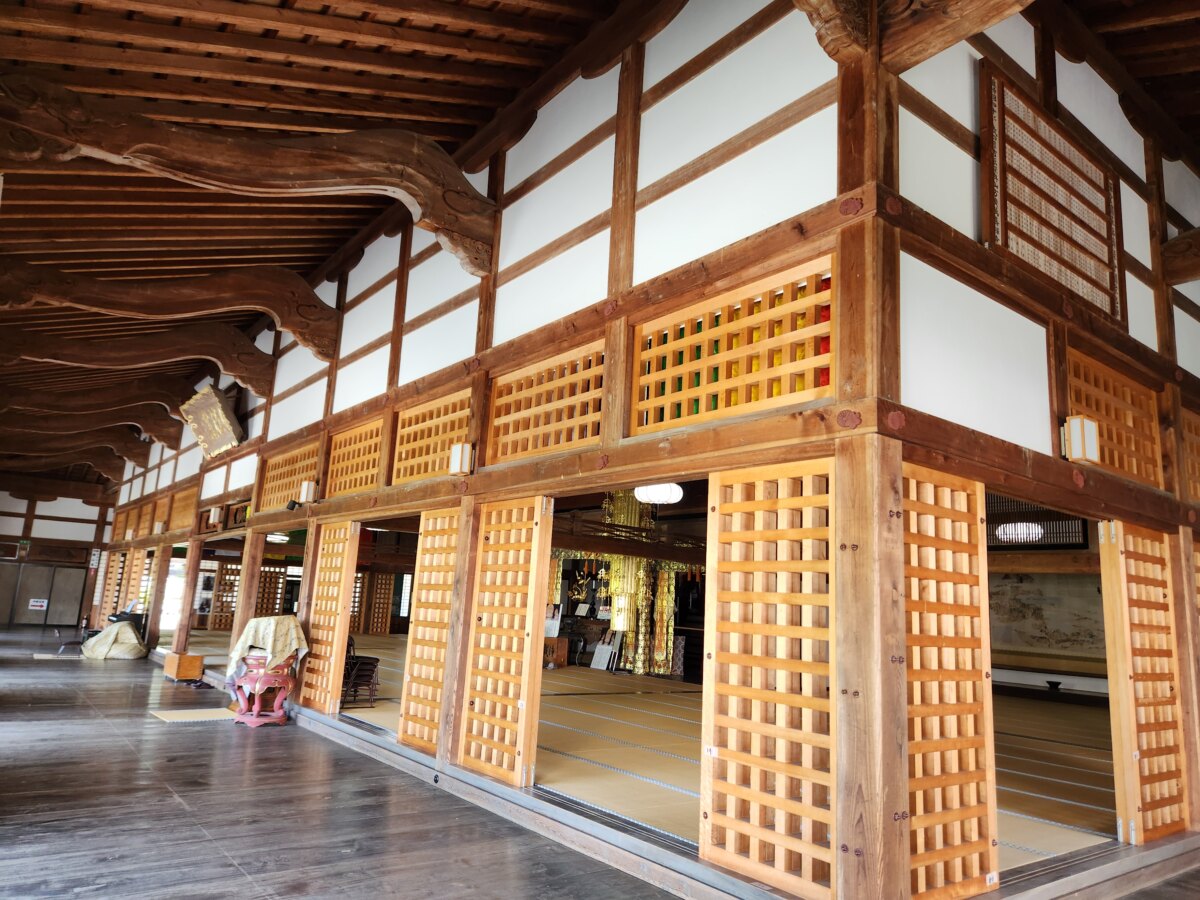
Enshrined in the main hall is the Shaka Sanzon, a Nationally Designated Important Cultural Property created in 1352.
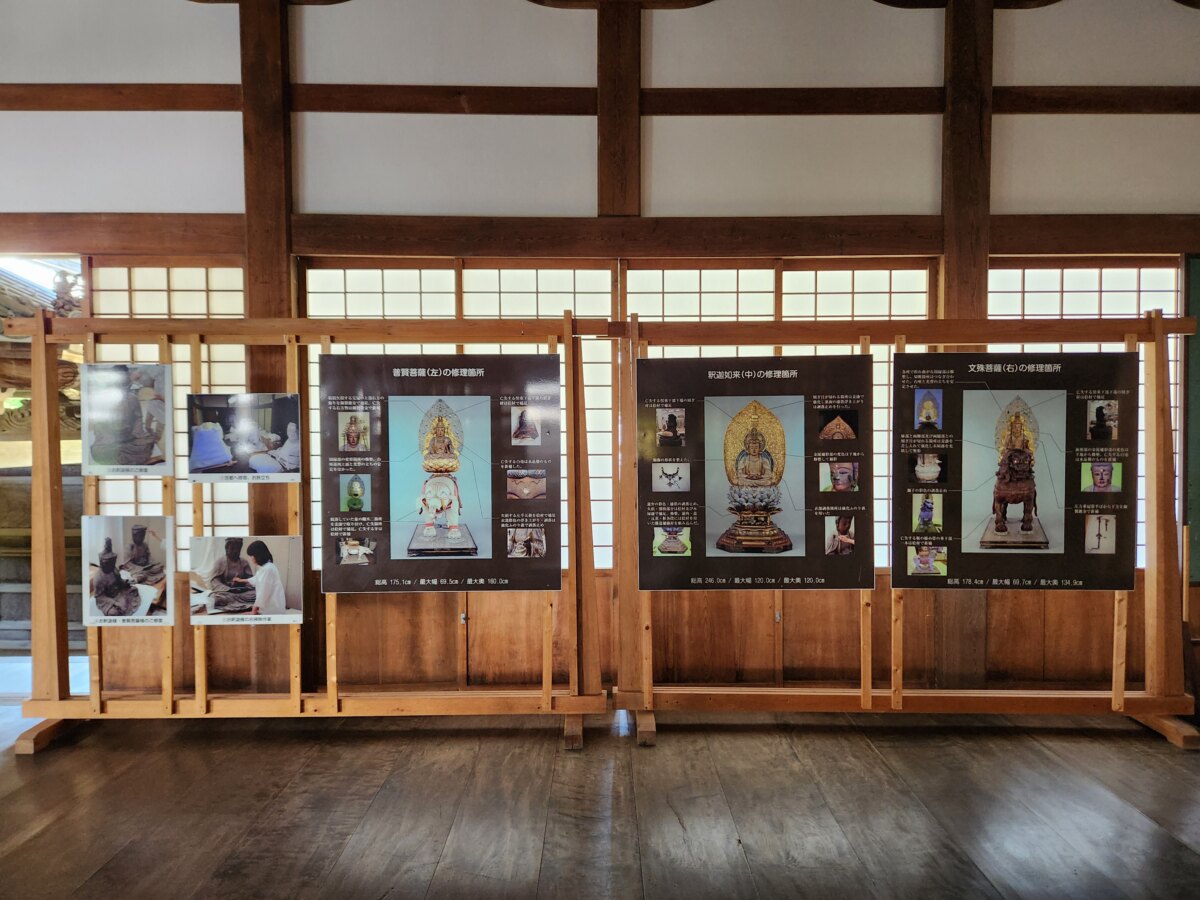
As photography is not permitted, we introduce the statues through a display panel. At the center is Shaka Nyorai, with Monju Bosatsu on the right and Fugen Bosatsu on the left.

An inscription on the back of the statues states that Tokugawa Mitsukuni, also known as “Mito Komon,” ordered their restoration around the Genroku era.
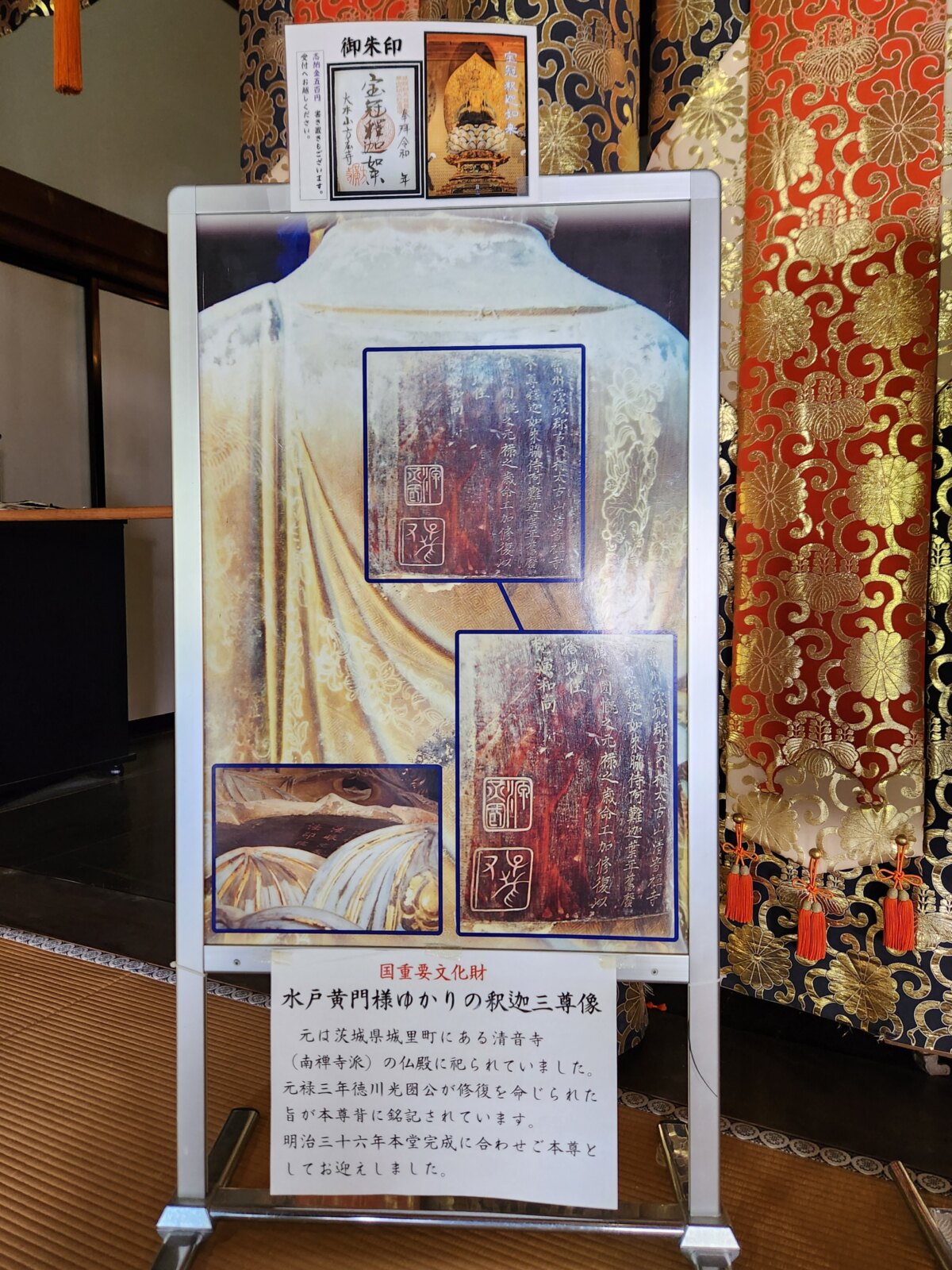
Due to repeated fires, most of the original buildings and objects at Houkouji Temple were destroyed. The Shaka Buddha currently enshrined at the temple was brought here with the help of Yamaoka Tesshu. It was originally enshrined at the Sanmon gate of Seionji Temple, a temple of the Nanzenji Sect, in Shirosato Town, Higashi-Ibaraki District, Ibaraki Prefecture.
One feature to look out for is the Buddha’s head.
Shaka Buddha statues are generally depicted with rahotsu, small rounded bumps covering the head. However, the Shaka Buddha at Houkouji Temple is depicted wearing a crown, making it a particularly rare and distinctive statue.
Panels along the hallway next to the main hall show the restoration process and other details.
Highlight 2: Hansobo Daigongen
As introduced in the “About Houkouji Temple” section, Hansobo Daigongen is said to offer special blessings for safety at sea, as Mumongensenzenji was saved from danger at sea. It is also believed to offer protection from fire, as the Hansobo Shinden survived a major fire in the Meiji era. In addition, it is said to bring safety and harmony to the household and success in finding a good match.

As you walk through the main hall, you will find chairs where you can sit and take your time to pray.
Instructions on how to pray to Hansobo are also provided, so be sure to follow them when paying your respects.
There is also an original calligraphy work by Yamaoka Tesshu, a renowned master of swordsmanship, Zen, and calligraphy.

You can reach a photo spot offering a side view of the Ascending Dragon and Descending Dragon by following the hallway on the main hall side.
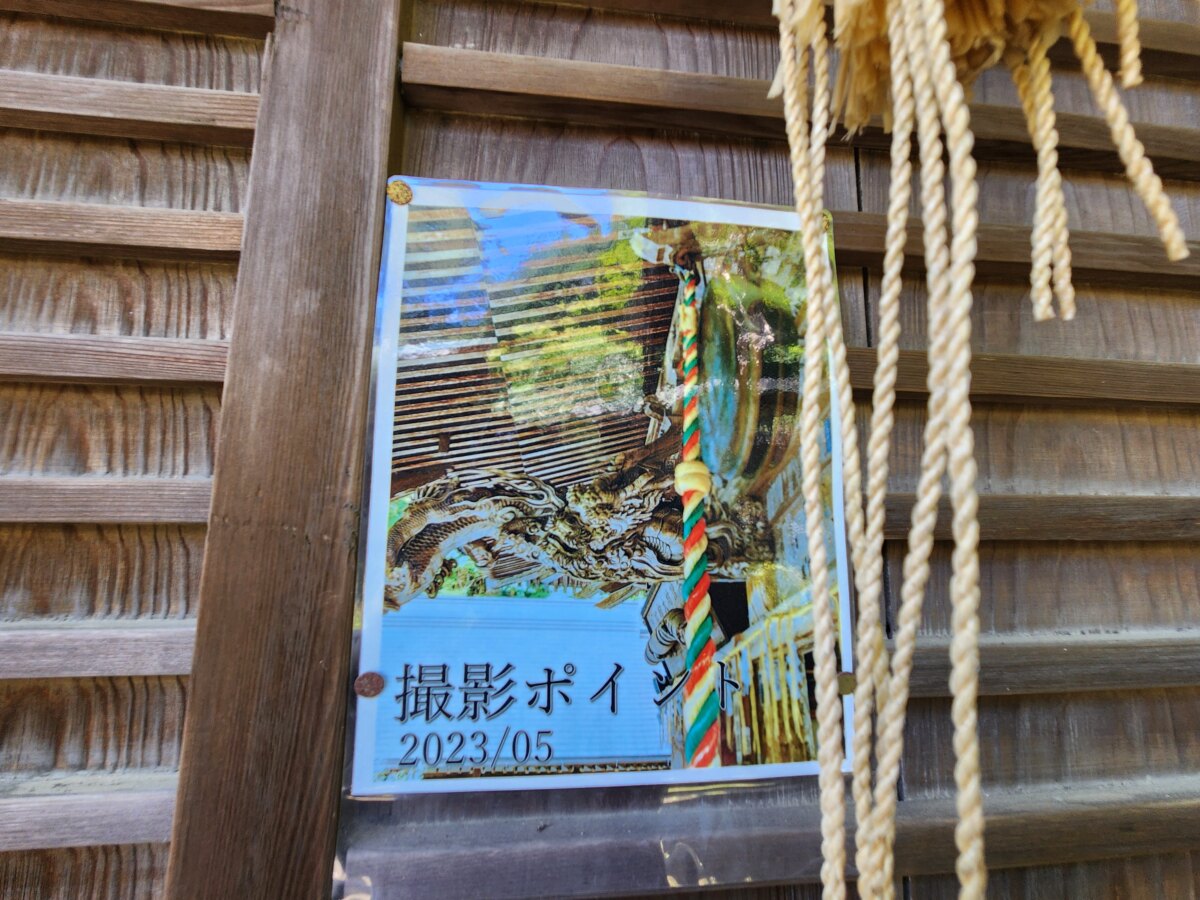
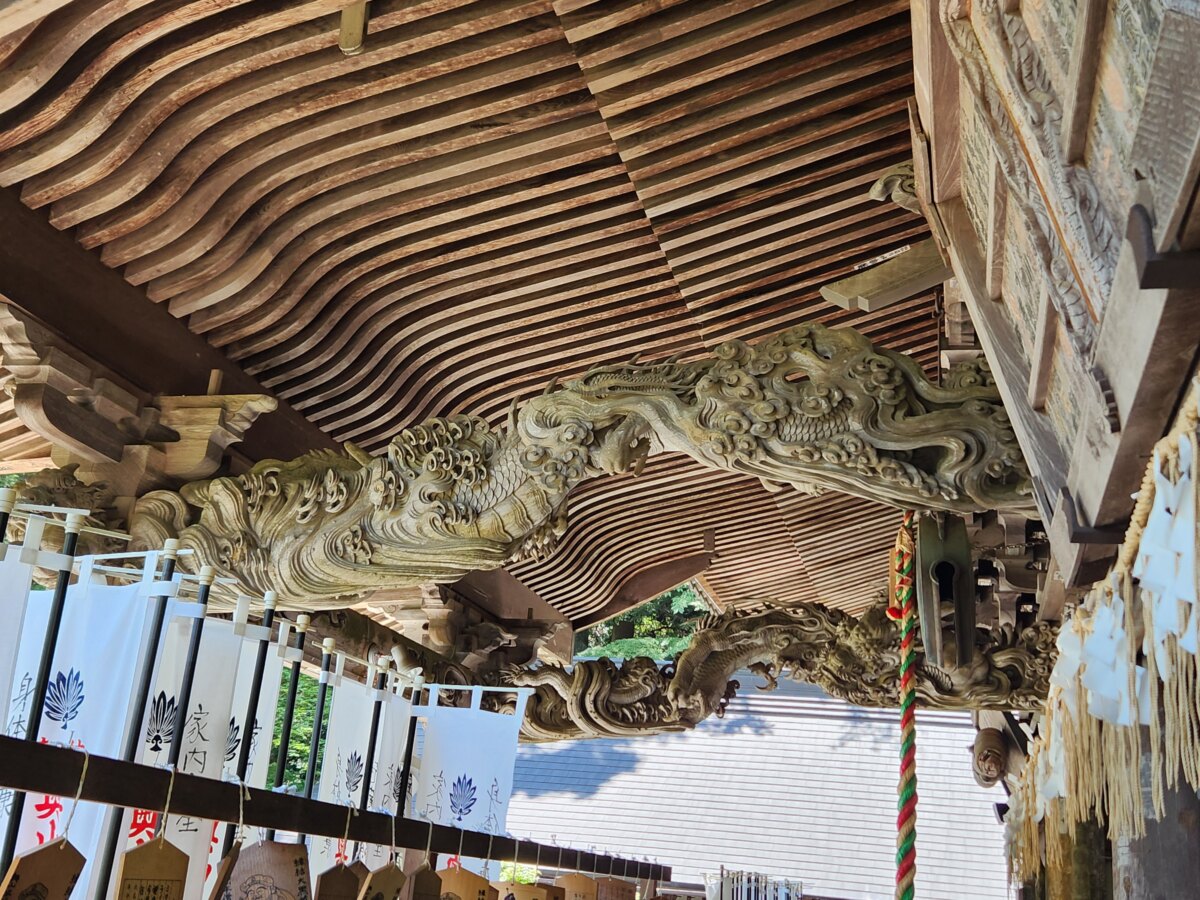
For a front view of the Ascending Dragon and Descending Dragon, head to the front of the Hansobo Shinden.

Highlight 3: The Five Hundred Arhats
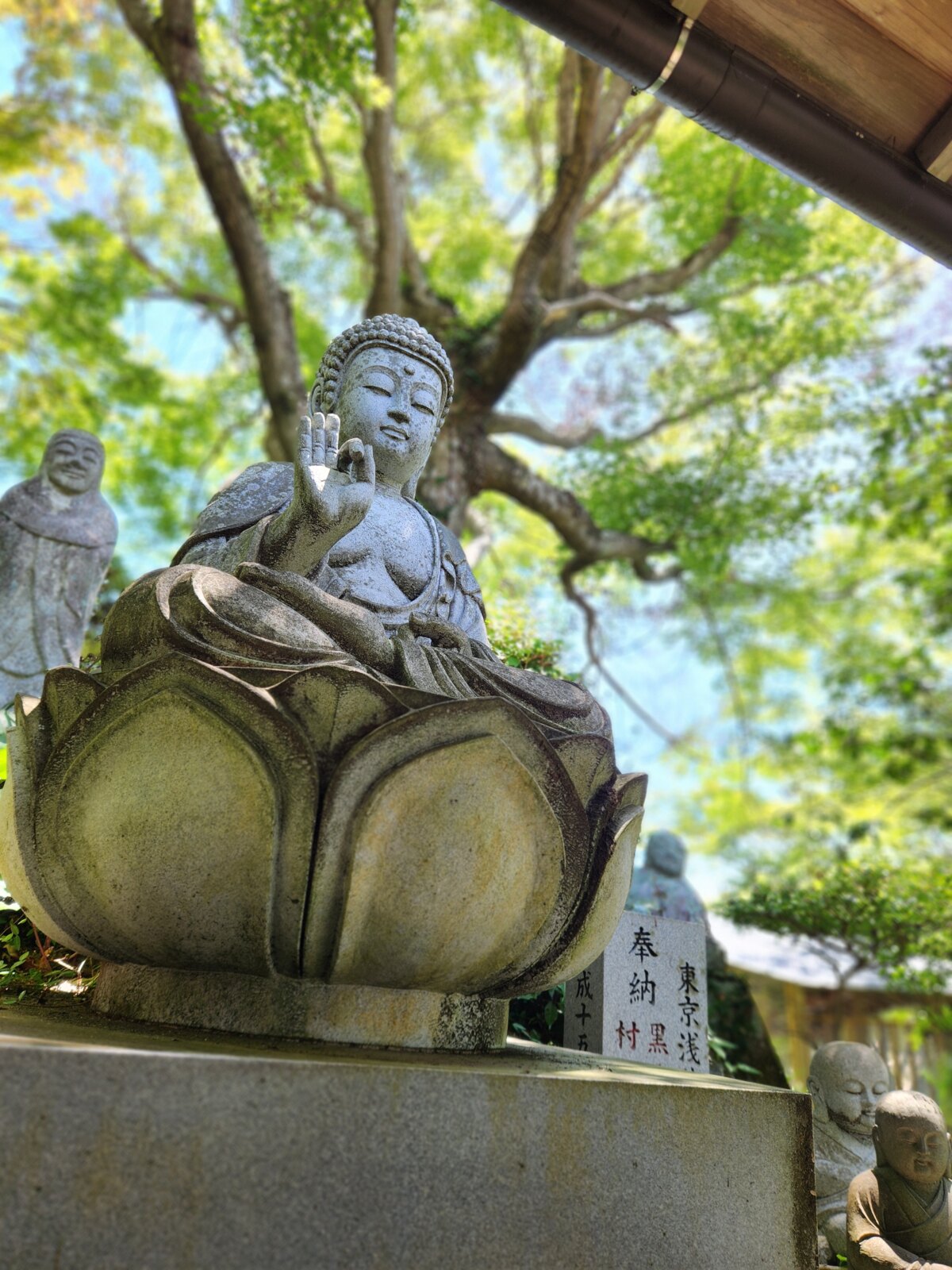
Throughout the grounds of Houkouji Temple, you will find stone statues of Arhats, highly revered Buddhist monks who are believed to have attained enlightenment. Each statue has a unique facial expression and pose, and it is said that there is even one that resembles you.
New statues have also been donated by devotees as “Reiwa-era Arhats,” bringing the total number of statues to more than 1,000.
[Shakkyo no Rakan]
If you walk down the slope with the main hall behind you and the bell tower on your left, you will find the “Shakkyo no Rakan (Arhats of Shakkyo)” after passing the Hansobo Cedar, a tree believed to be over 600 years old.
One of the mysteries of Houkouji Temple is that there are sometimes four statues and sometimes five.
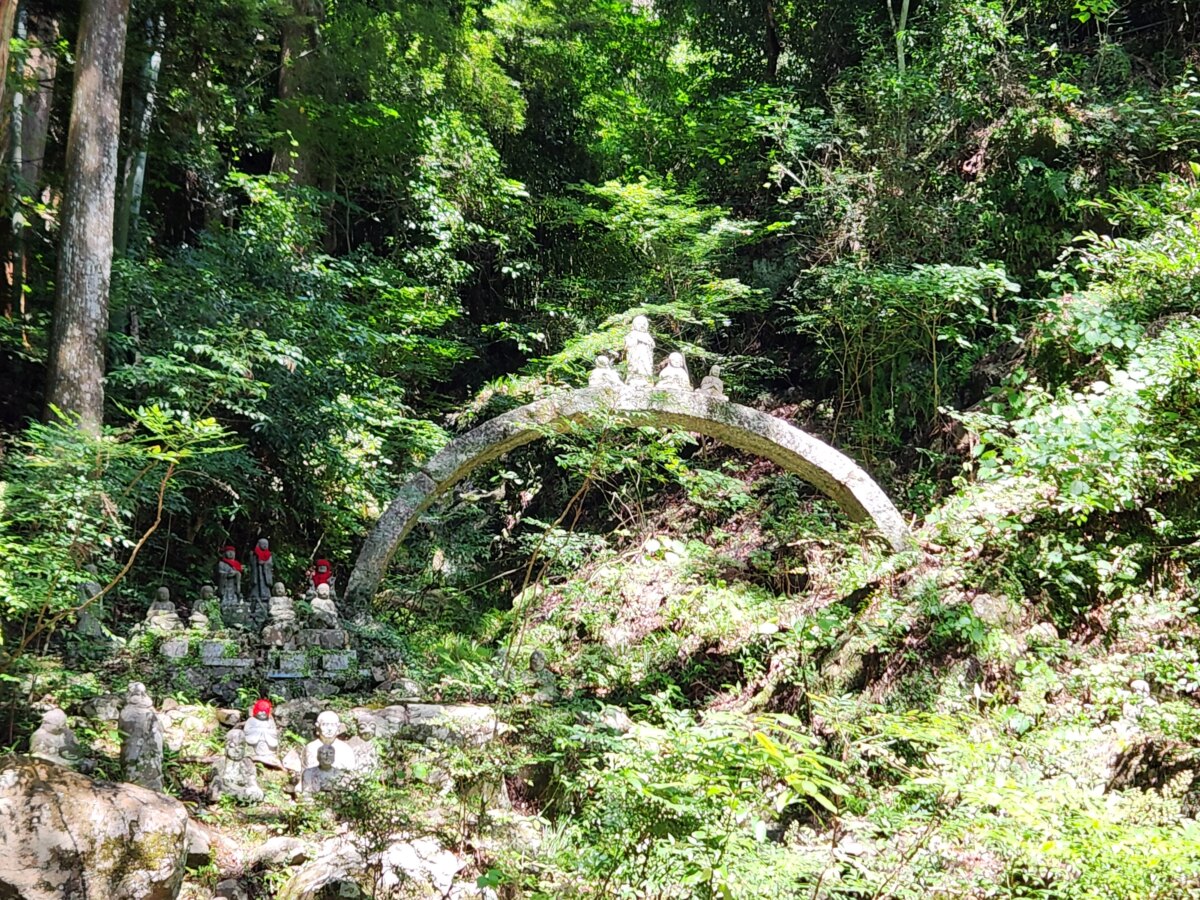
There were four statues on the day we visited, but the Houkouji Temple brochure features five. It really is a mystery!
The path from the Shakkyo no Rakan to the Sanmon gate is called “Rakan-zaka (Arhat Slope).” Why not enjoy a stroll while looking for a statue that resembles you or one of your friends?
[Rakan no Niwa]
Behind the main hall is the Rakan no Niwa (Rakan Garden).
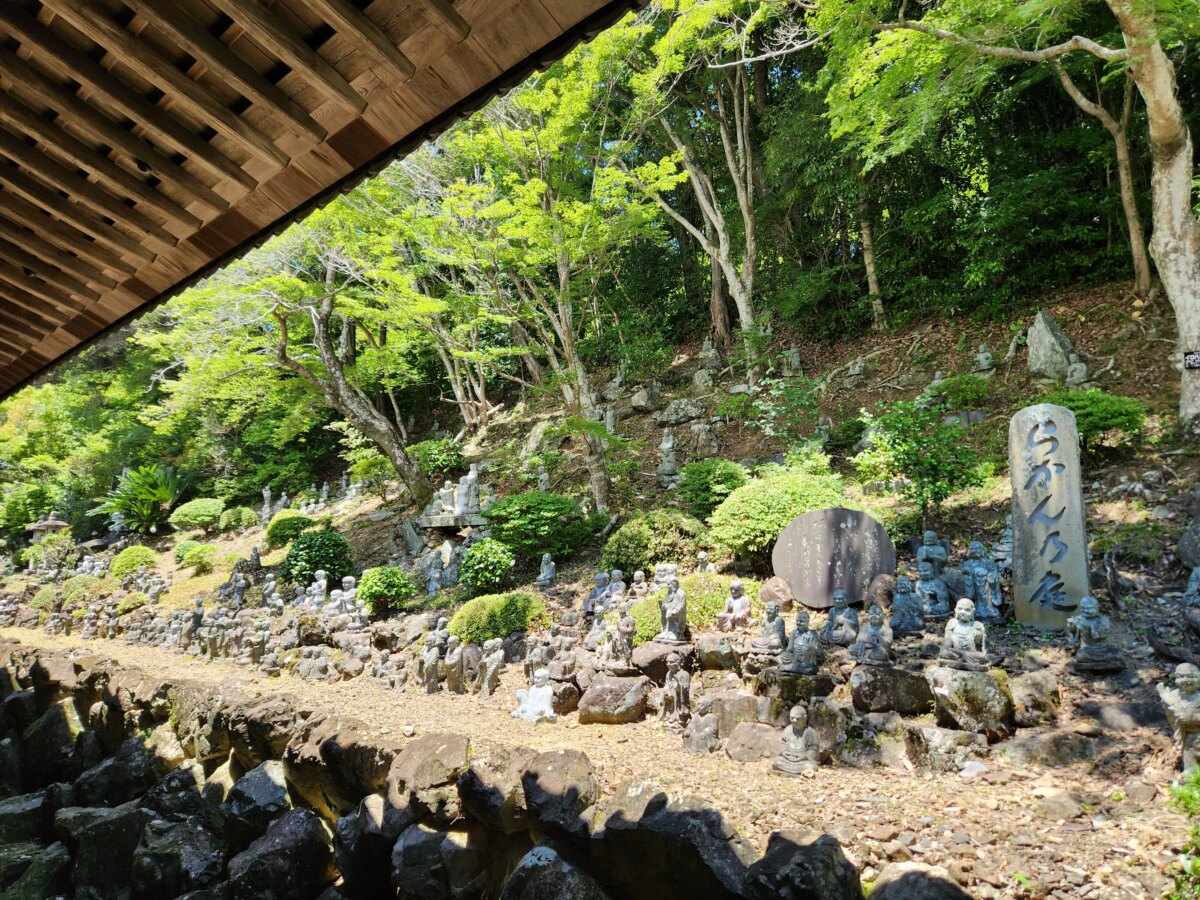
This is a popular photo spot, with a special photo stand featuring a mirror in the center.
Simply place your smartphone on the stand, following the marked position. The key to getting the best shot is to place your phone with the camera lens facing downward.
The mirror reflects the Rakan statue and the lush greenery behind it, allowing you to capture a unique and memorable photo.
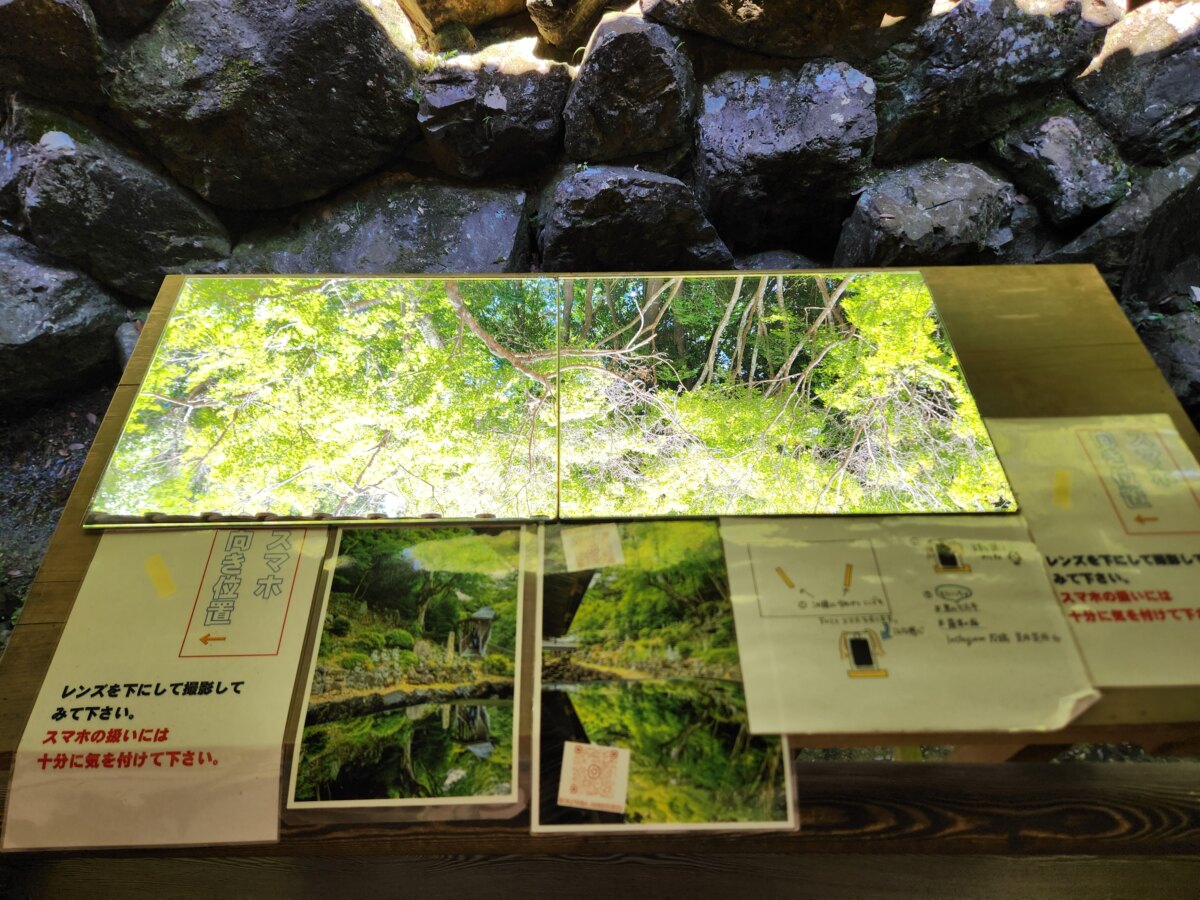
鏡中會映照出羅漢石像與後方的新綠,讓您能輕鬆拍出值得珍藏的特別照片。

Facilities and Services at Houkouji Temple
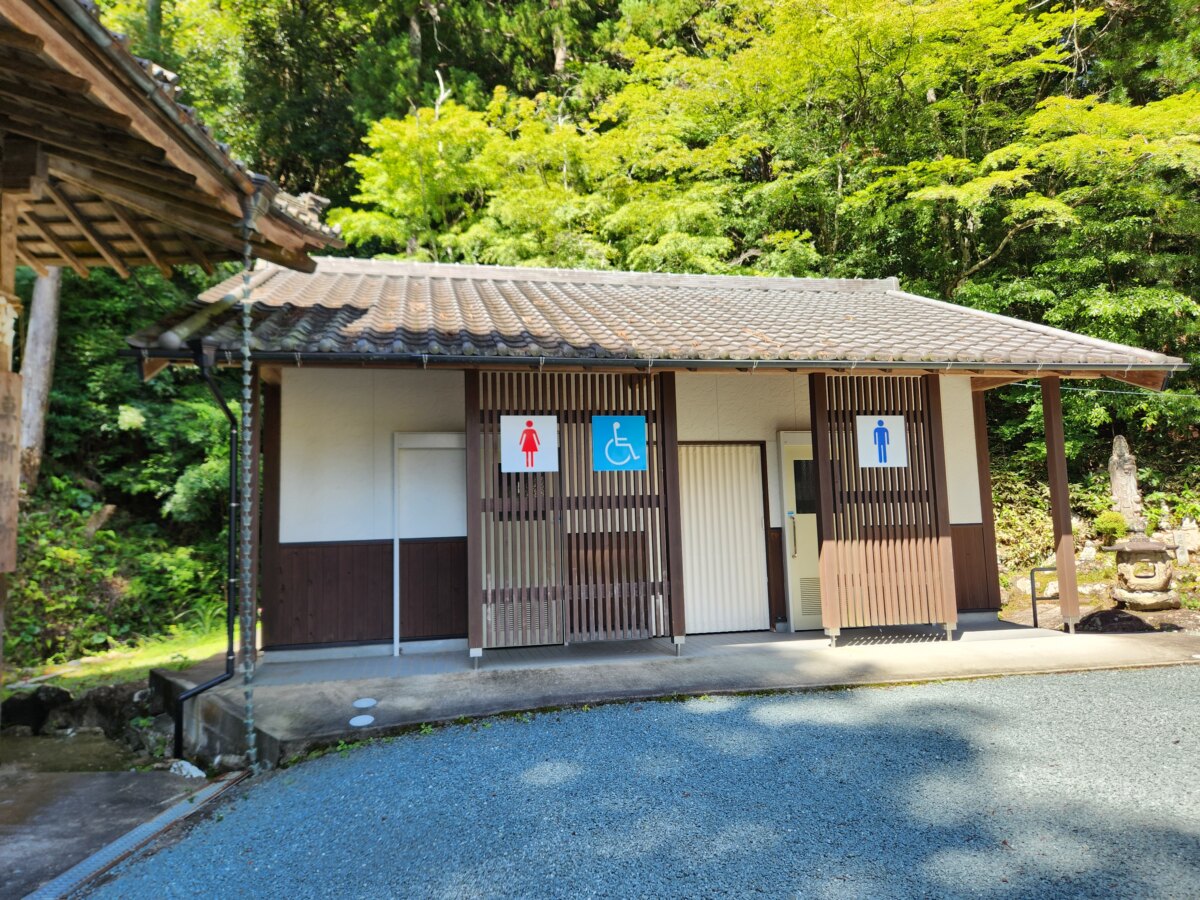
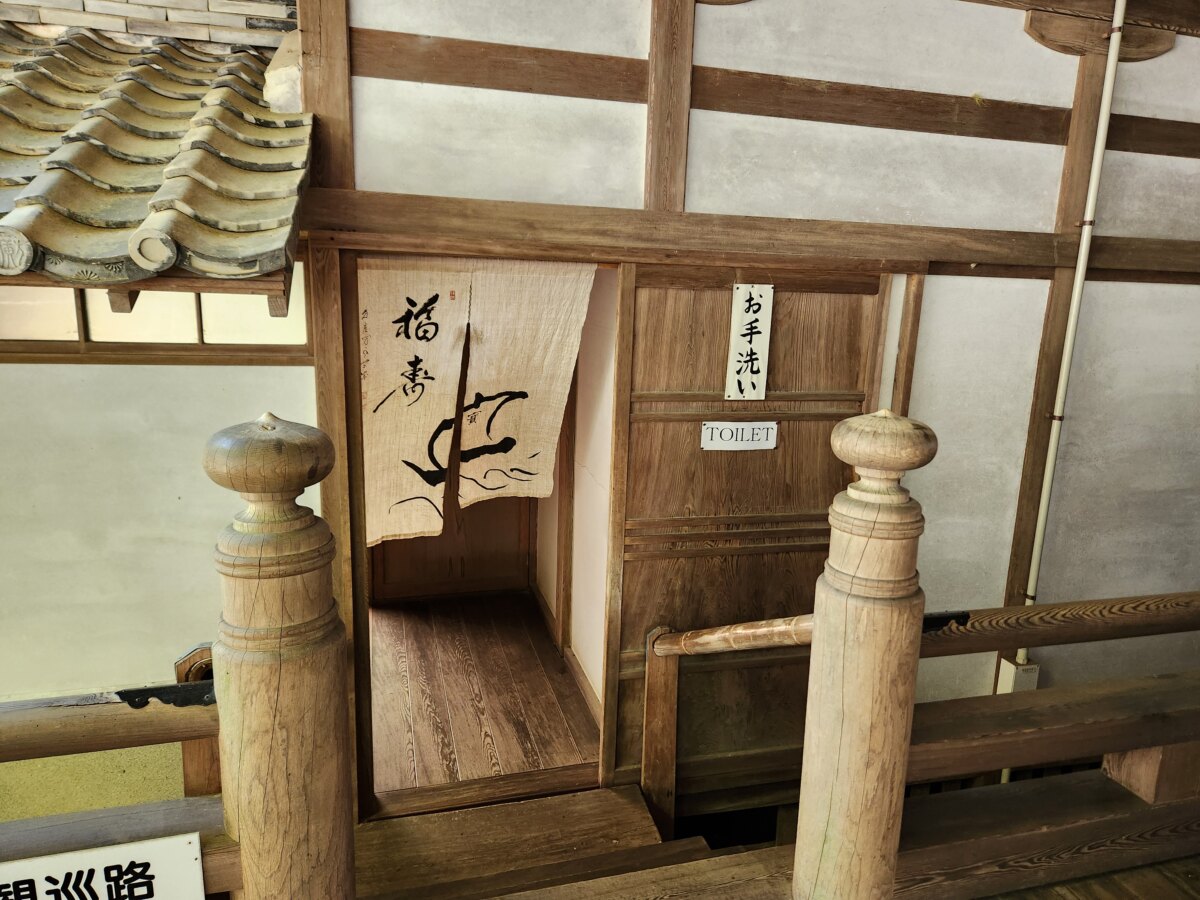
Restrooms: Available
Free Wi-Fi: Available
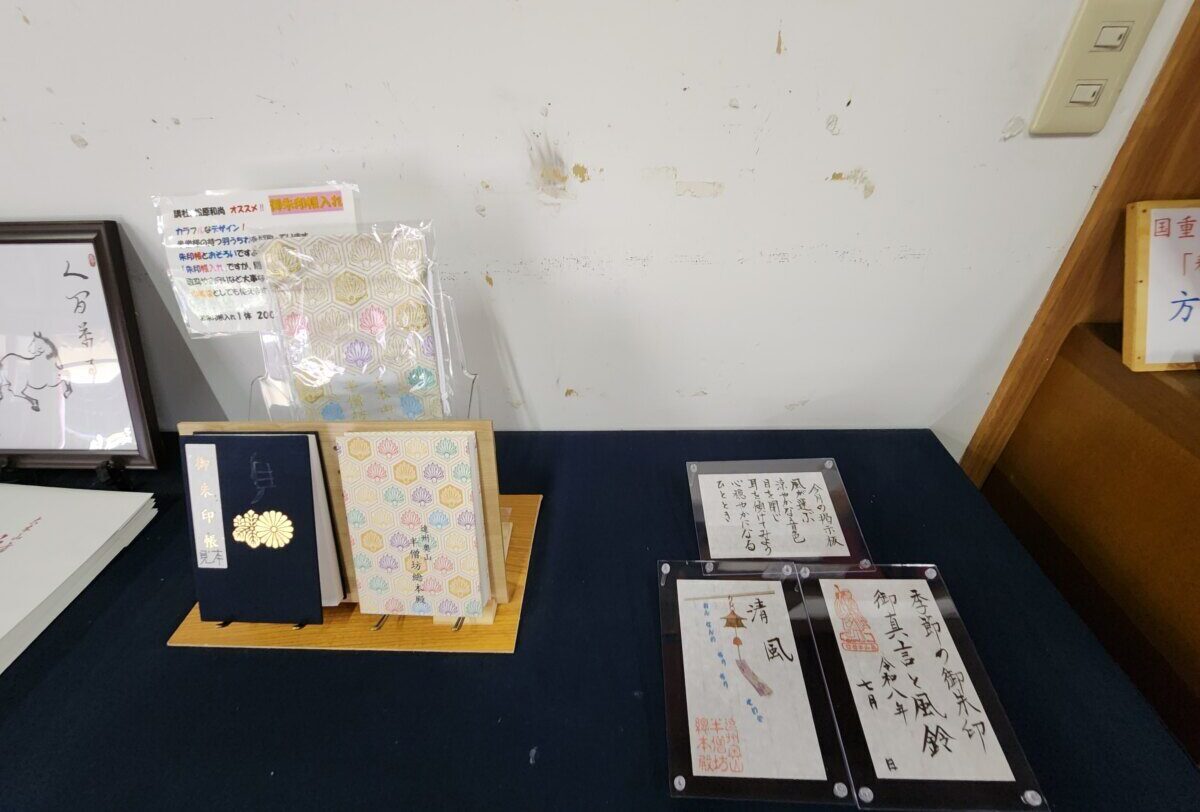
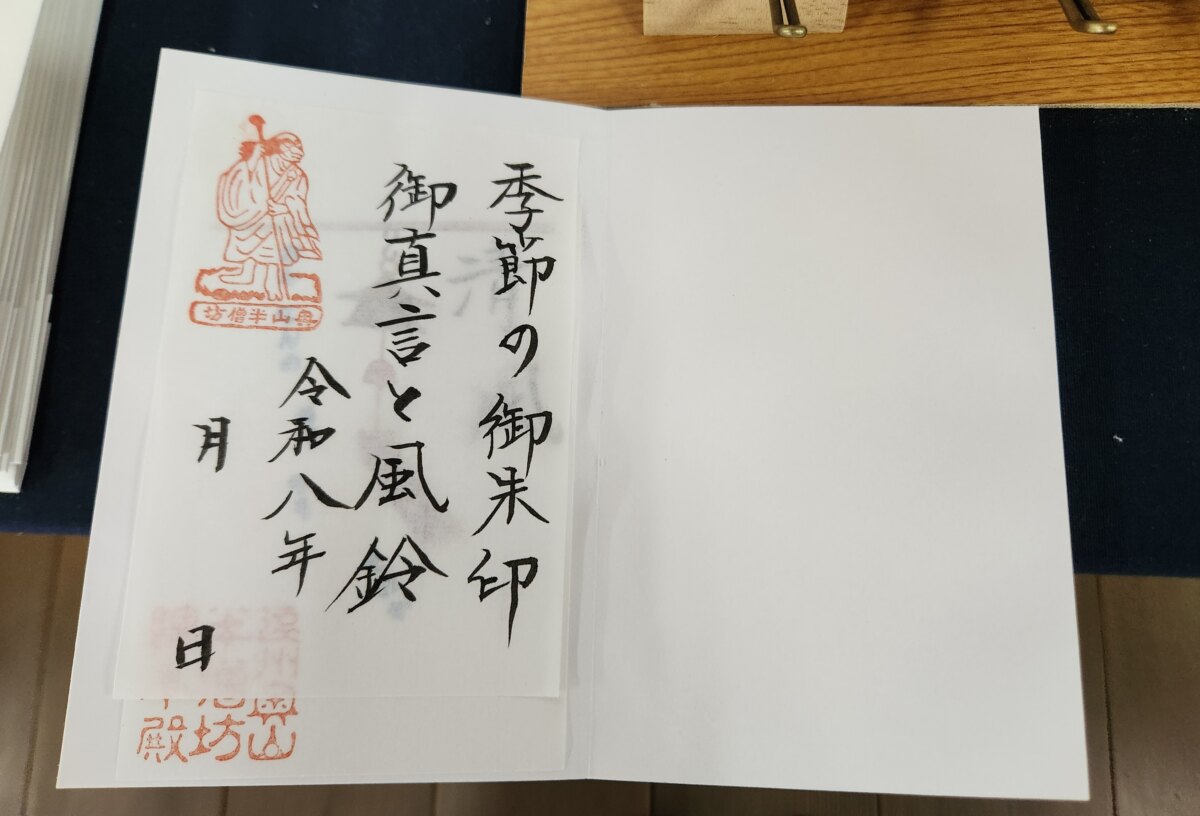
Goshuin: Available
Shakyo (sutra copying): Available
Reservations required; available for one person or more.
Zazen (Zen meditation): Available
Reservations required; available for two people or more.

Crowd Information for Houkouji Temple
The temple can get crowded during the autumn foliage season.
Houkouji Temple Visitor Information
Address: 1577-1 Okuyama, Inasa-cho, Hamana Ward, Hamamatsu City, Shizuoka
Phone: 053-543-0003
Visiting Hours: 9:00 a.m.–4:30 p.m. (last admission at 4:00 p.m.)
Admission Fees
Adults: ¥700
Elementary & Junior High School Students: ¥300
Group Rates (30 or more people)
Adults: ¥630
Elementary & Junior High School Students: ¥270
Combination Tickets
– Houkouji Temple + Ryotanji Temple
Adults: ¥1,200
Elementary & Junior High School Students: ¥400
– Houkouji Temple + Ryugashido Cave
Adults: ¥1,300
Elementary & Junior High School Students: ¥750
Official Website: https://houkouji.or.jp/
Official Instagram: https://www.instagram.com/hokoji_hansobo/
Official X: https://x.com/Hokoji_Hansobo?s=06
Closed: December 28–31
Please check the official website for the latest information.
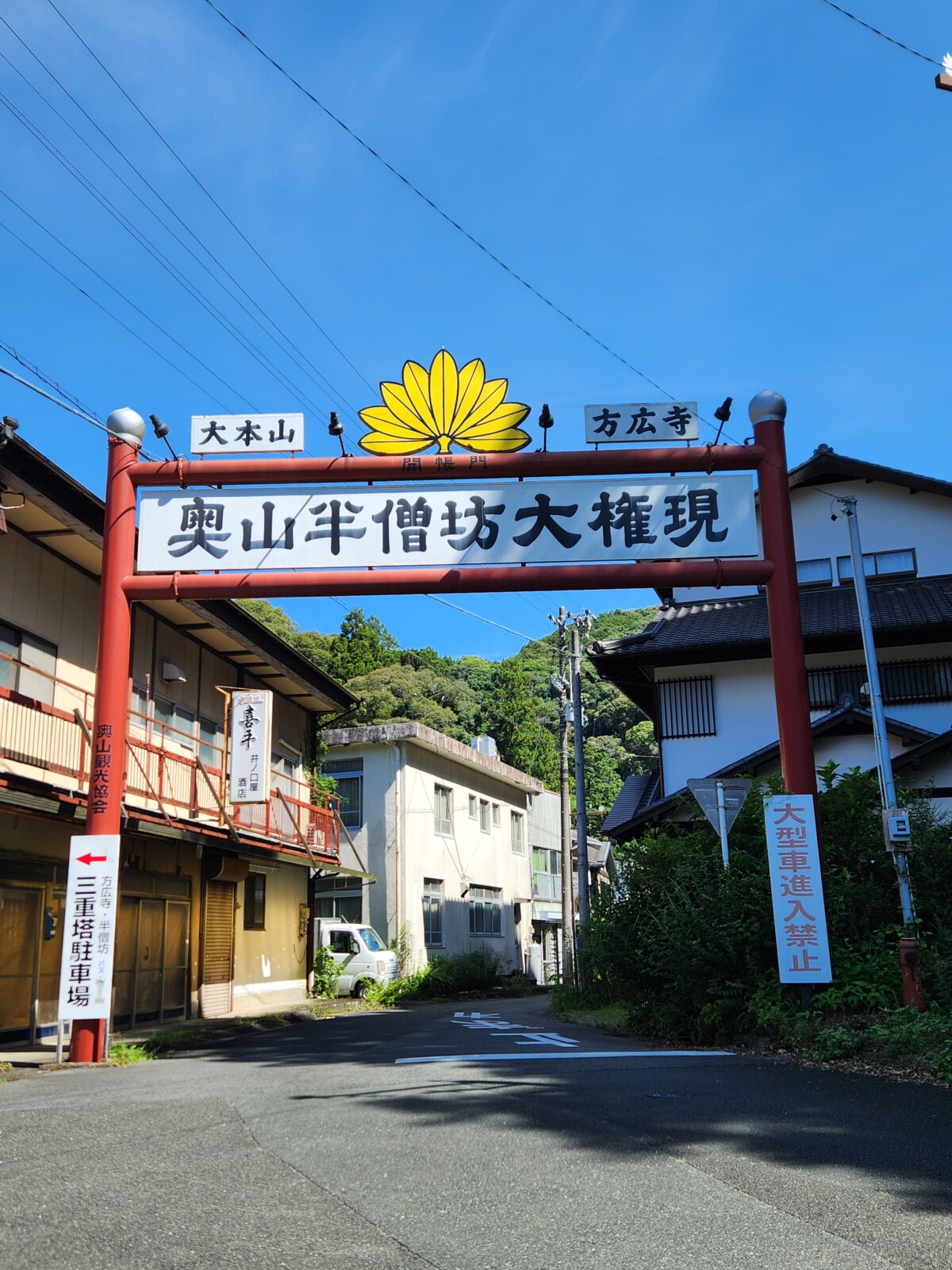
Parking: Free (If you are visiting Houkouji Temple by car, there are two parking areas.)
① Parking area in front of the Kuromon Gate
Located at the foot of the mountain, this parking area is beyond the torii gate for Okuyama Hansobo Daigongen.
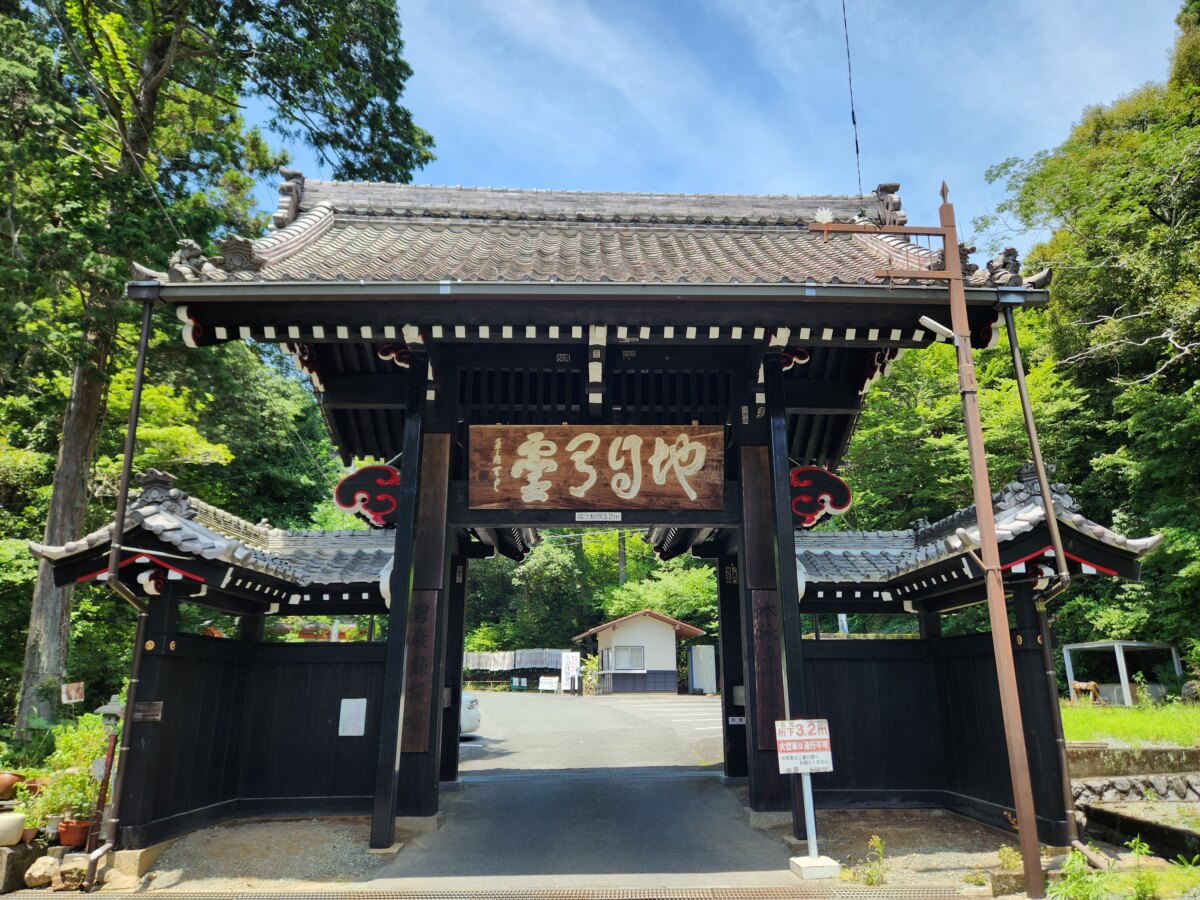
② Parking area in front of the Three-Story Pagoda
This parking area is closer to the main hall.

It takes about 10 minutes to walk from the Kuromon Gate to the main hall. As the route includes an uphill slope, the parking area in front of the Three-Story Pagoda is recommended if you prefer to park closer to the main hall.
Access
🚗By Car
– Approximately 8 minutes from the Hamamatsu-Inasa IC on the Shin-Tomei Expressway
– Approximately 30 minutes from the Hamamatsu-Nishi IC on the Tomei Expressway
– Approximately 20 minutes from the Kanzanji Smart IC on the Tomei Expressway (ETC is required)
🚌By Bus
Take the Entetsu Bus from Bus Stop 15 at Hamamatsu Station Bus Terminal. Board the Route 45 bus bound for Okuyama. After approximately 60 minutes, get off at the Okuyama bus stop.
Tourist Attractions Around Houkouji Temple
Ryotanji Temple
.jpg)
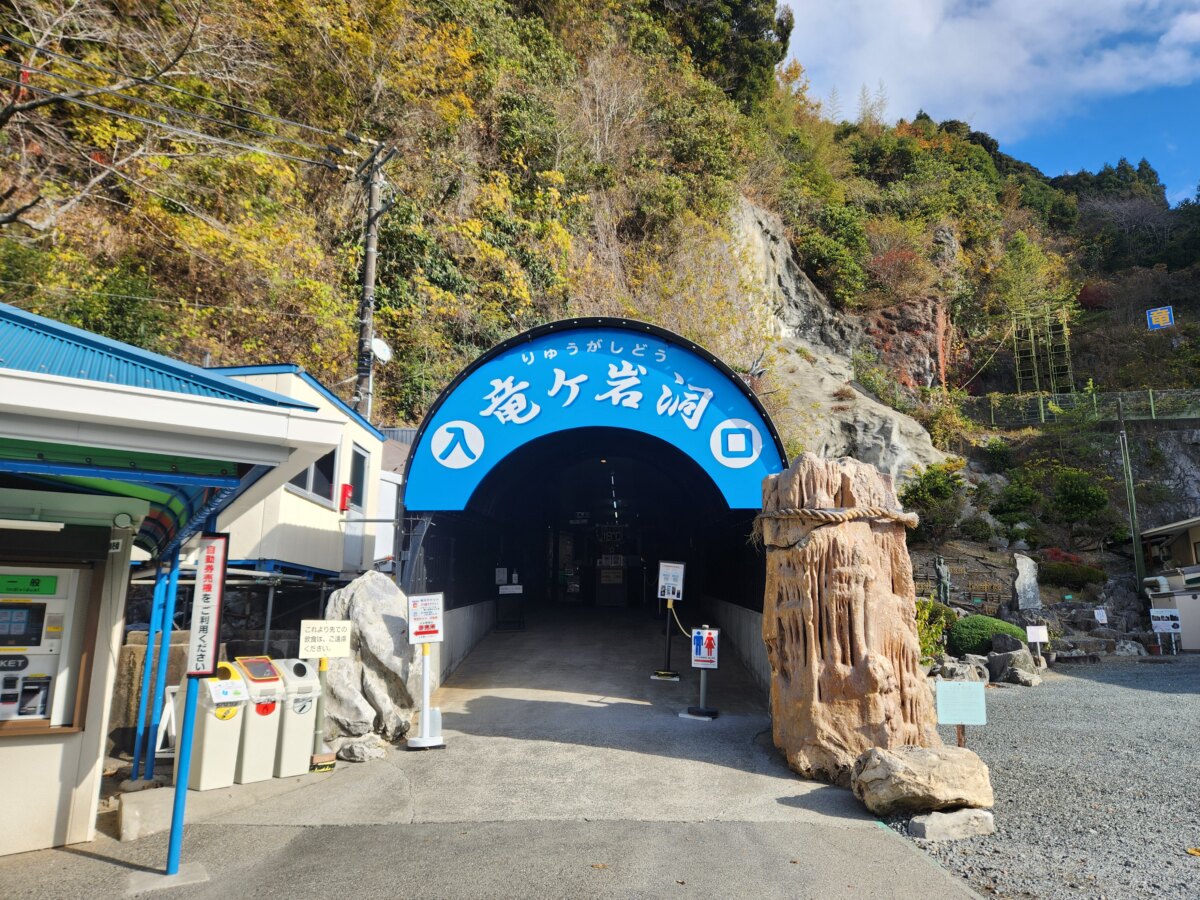
Ryugashido Cave
“Take It Easy, Slow Down, and Enjoy the Sparkling Oku-Hamanako” — Hamanako Kohoku Gozan (Lake Hamana Kohoku Five Temples)
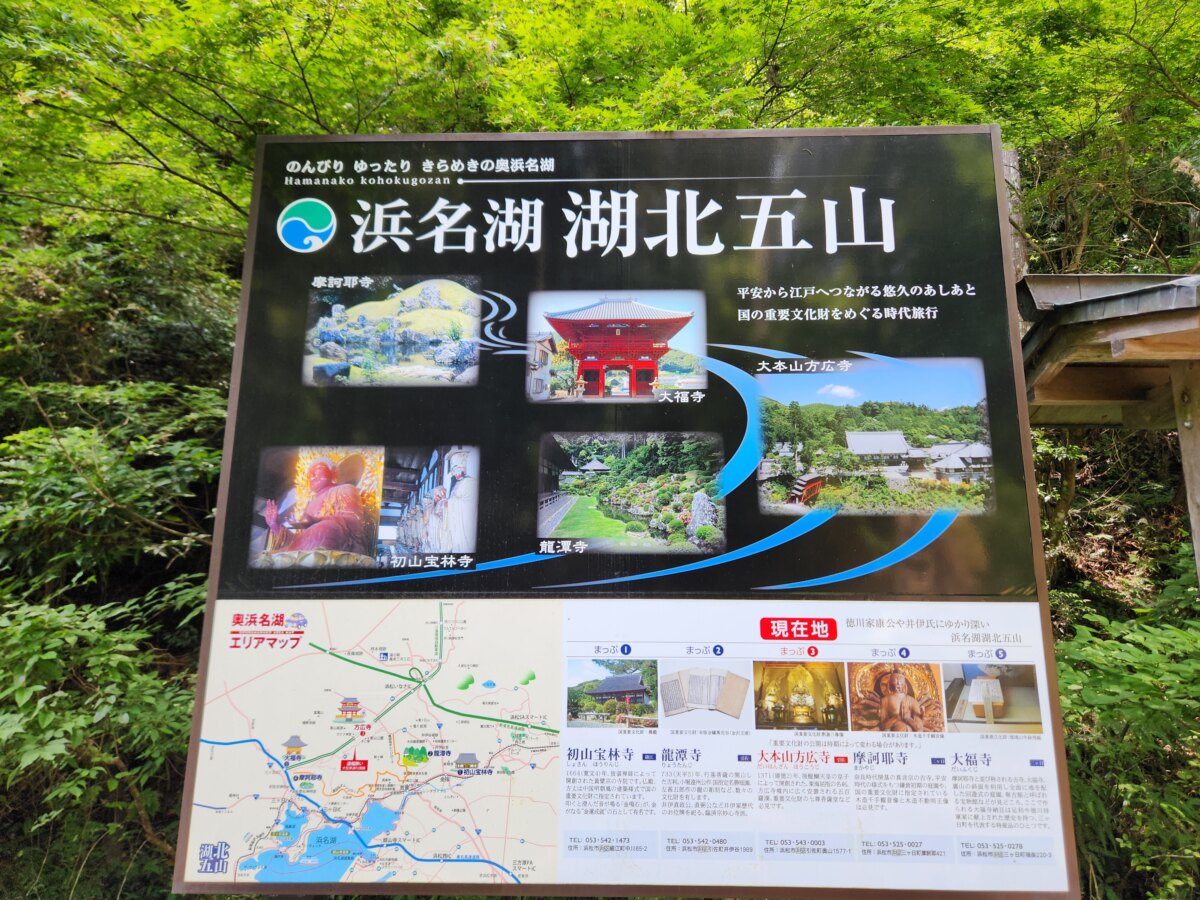
Hamanako Kohoku Gozan is a collective name for five temples in the Oku-Hamanako area that are home to Nationally Designated Important Cultural Properties.
The five temples include Houkouji Temple in Okuyama, Inasa-cho, which we visited for this article, as well as Ryotanji Temple in Iinoya, Inasa-cho, Shosan Horinji Temple in Nakagawa, Hosoe-cho, Makayaji Temple in Makaya, Mikkabi-cho, and Daifukuji Temple in Fukunaga, Mikkabi-cho. These temples were founded or established from the Nara period through the Edo period and have been carefully preserved and passed down through generations.
You can see these valuable historical materials, designated as Important Cultural Properties, up close. Be sure to visit and experience them for yourself!
A Message to Our Readers from Houkouji Temple
“I never expected to find such an impressive temple in a place this deep in the mountains…”
We often hear comments like this from visitors to the temple.
Our magnificent main hall is one of the largest in the Tokai region and is home to the Shaka Sanzon, a Nationally Designated Important Cultural Property.
We invite you to come and see the statues up close, beautifully illuminated.
Surrounded by abundant nature, the temple grounds offer a peaceful space where you can leave the hustle and bustle of everyday life behind.
Take a moment to slow down, clear your mind, and enjoy a quiet visit in the crisp, refreshing air.
We sincerely look forward to welcoming you to Houkouji Temple and hope you will enjoy the beauty of the temple throughout the seasons.
This time, we introduced Houkouji Temple, the head temple of the Houkouji Sect of Rinzai Buddhism.
Houkouji Temple is also well known for its shojin ryori. However, during our visit in July 2026, we were informed that the temple’s meal service was temporarily suspended.
We were told that information about the resumption of the service will be announced on the temple’s website and other channels. We look forward to the day when it is available again.
We visited Houkouji Temple during the season when the surrounding greenery was at its most beautiful, but we would love to return during the autumn foliage season next time.
We hope you enjoyed learning about this historic temple, Houkouji Temple. With so many great photo spots to discover, be sure to visit and explore it for yourself!
With the cooperation of Houkouji Temple, Head Temple of the Houkouji Sect of Rinzai Buddhism
*The information in this article is subject to change.