Get to Know Hamamatsu
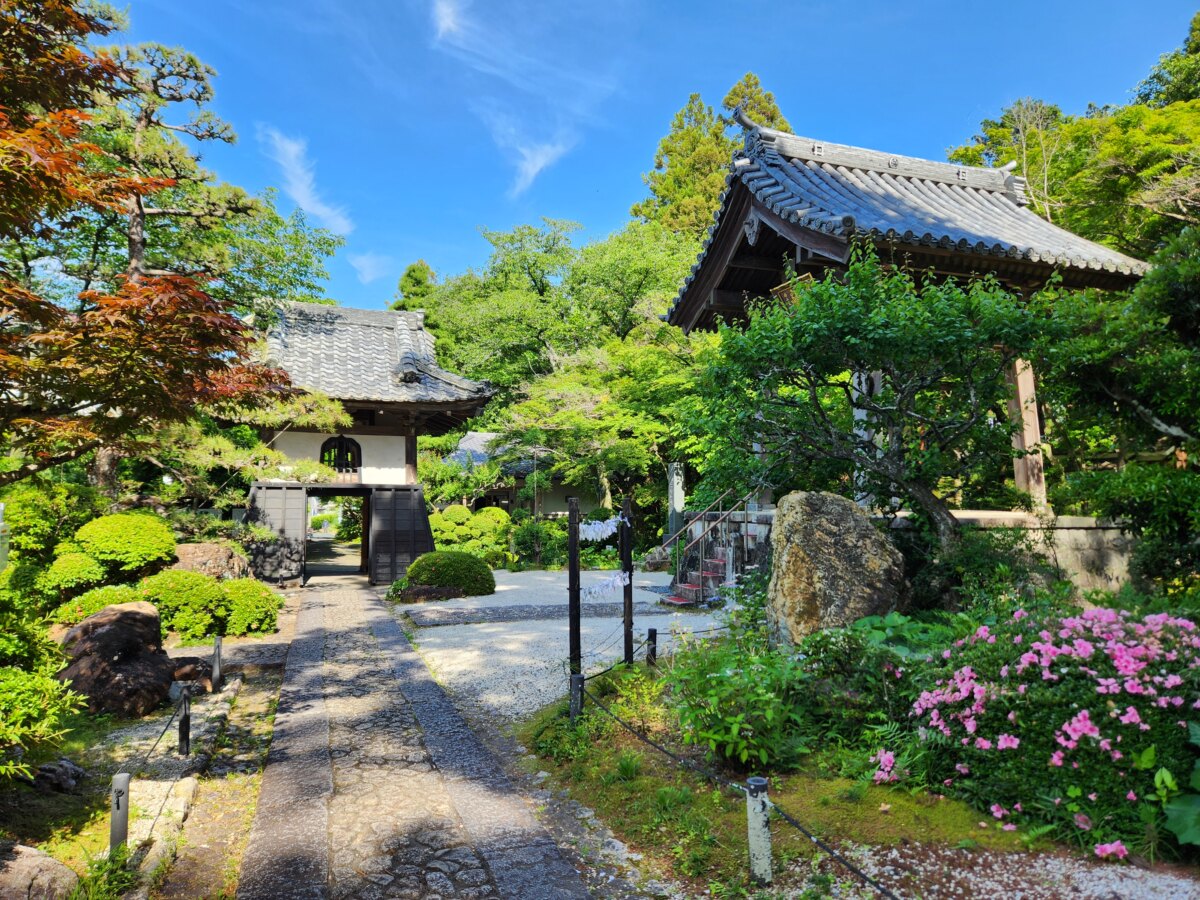

Choraku-ji Temple: Home to the “Dodan Garden,” One of the Three Great Gardens of Enshu, and a Beautiful Tunnel of Plum Blossoms
Read on to discover Choraku-ji, a spot worth visiting in every season.
This article was created on October 7, 2026.
This time, we visited Choraku-ji, a Koyasan Shingon Buddhist temple in Kiga, Hosoe-cho, Hamana Ward, Hamamatsu City.
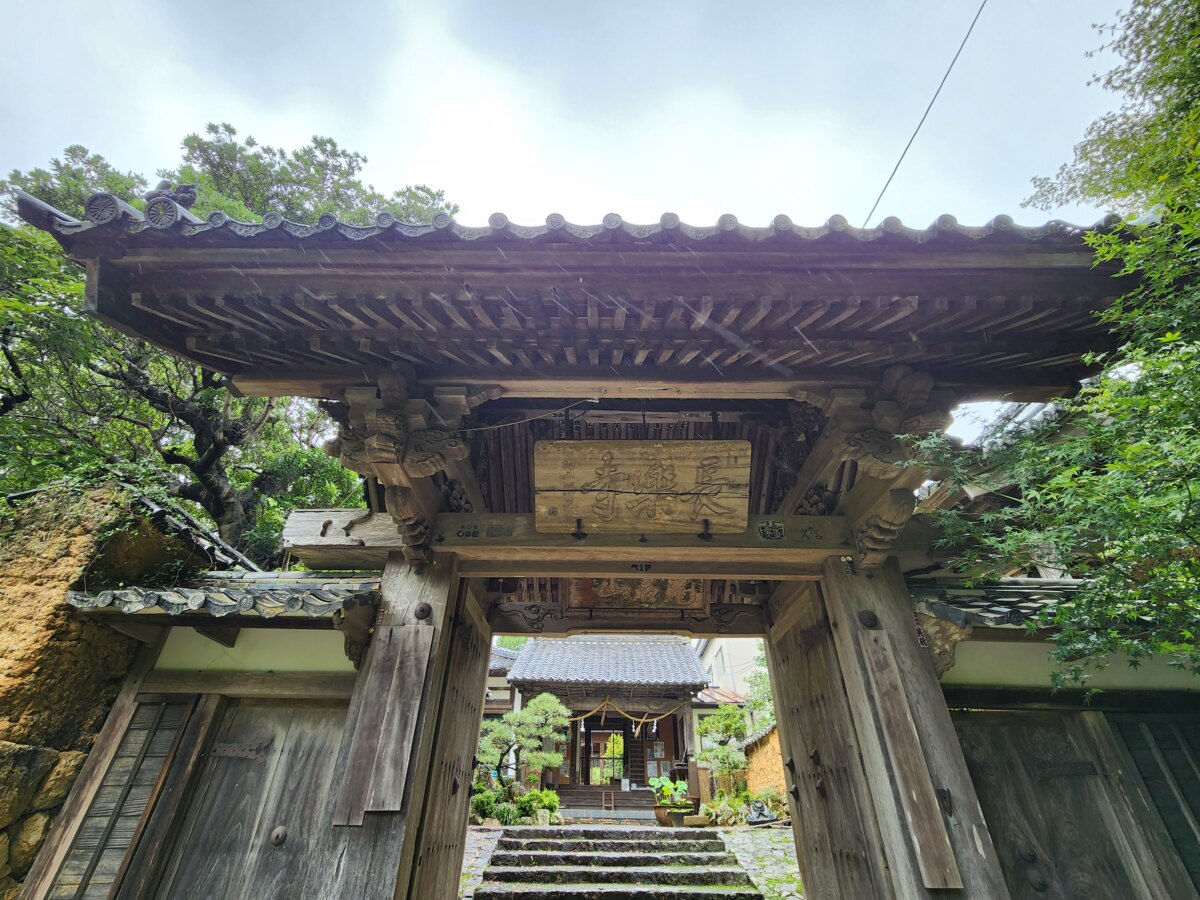
With roots stretching back some 1,200 years to the Heian period, this historic temple was founded by a disciple of Kobo Daishi.
Its garden, the Dodan no Niwa (Dodan Garden), is said to have been designed by Kobori Enshu, one of the leading garden designers of the Momoyama and early Edo periods. Designated a Cultural Property of Shizuoka Prefecture, the garden features more than 200 dodan-tsutsuji (Japanese enkianthus) shrubs.
In plum season, the roughly 100-meter old path leading to the site of the former main hall becomes a tunnel of plum blossoms that’s well worth seeing, drawing many visitors who come to enjoy the beautiful scenery.
Read on to discover Choraku-ji, a spot worth visiting in every season.
About Choraku-ji Temple
Located in Kiga, Hosoe-cho, Hamana Ward, Hamamatsu City, Choraku-ji was founded about 1,200 years ago in the Heian period by a disciple of Kobo Daishi (Kukai), the founder of Shingon Buddhism.
Legend has it that the temple began when a rock face was seen shining among the distant mountains. The rock was regarded as a sacred site, and a hall was built.
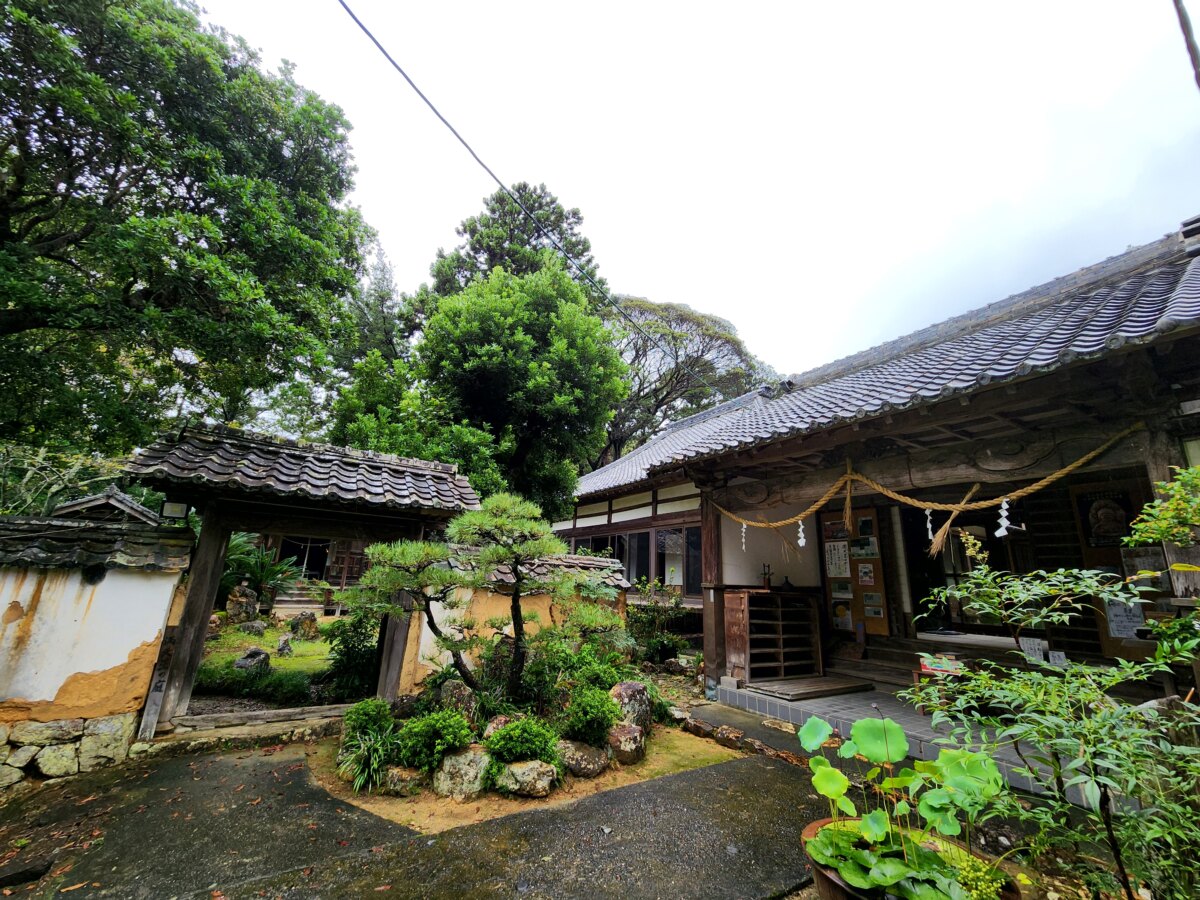
The original main hall has since been dismantled due to age. The current guest hall was built in the Edo period as the family prayer temple of the Kondo clan, who were in charge of the Kiga checkpoint.
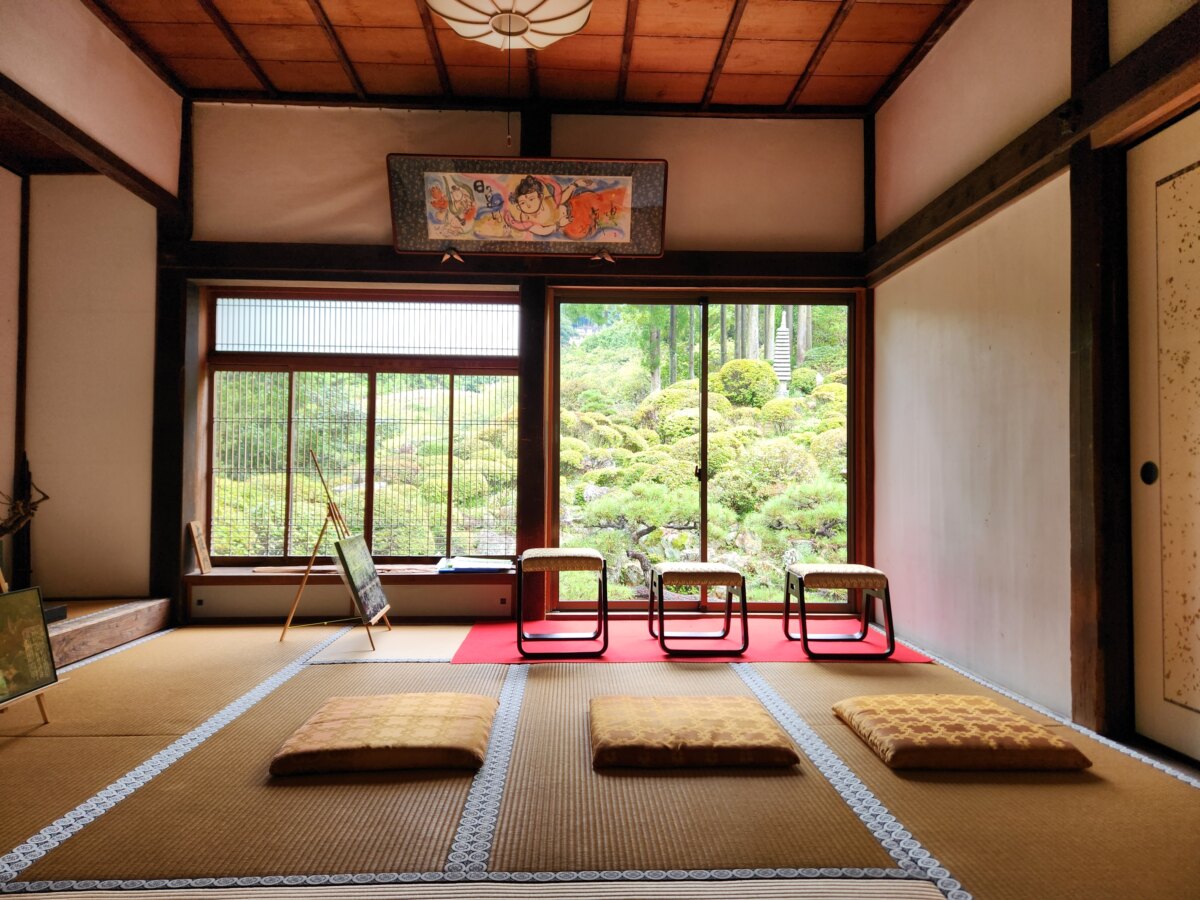
From the guest hall, you can see Kogan-zan, the sacred rock, on the mountainside.
Choraku-ji is home to valuable cultural properties that tell the story of its long history. These include the principal image, a statue of Bato Kannon made in the Kamakura period, white plaster earthen walls from the Edo period, a mid-Edo-period main gate, and a Kamakura-period temple bell said to be the second oldest in Shizuoka Prefecture.
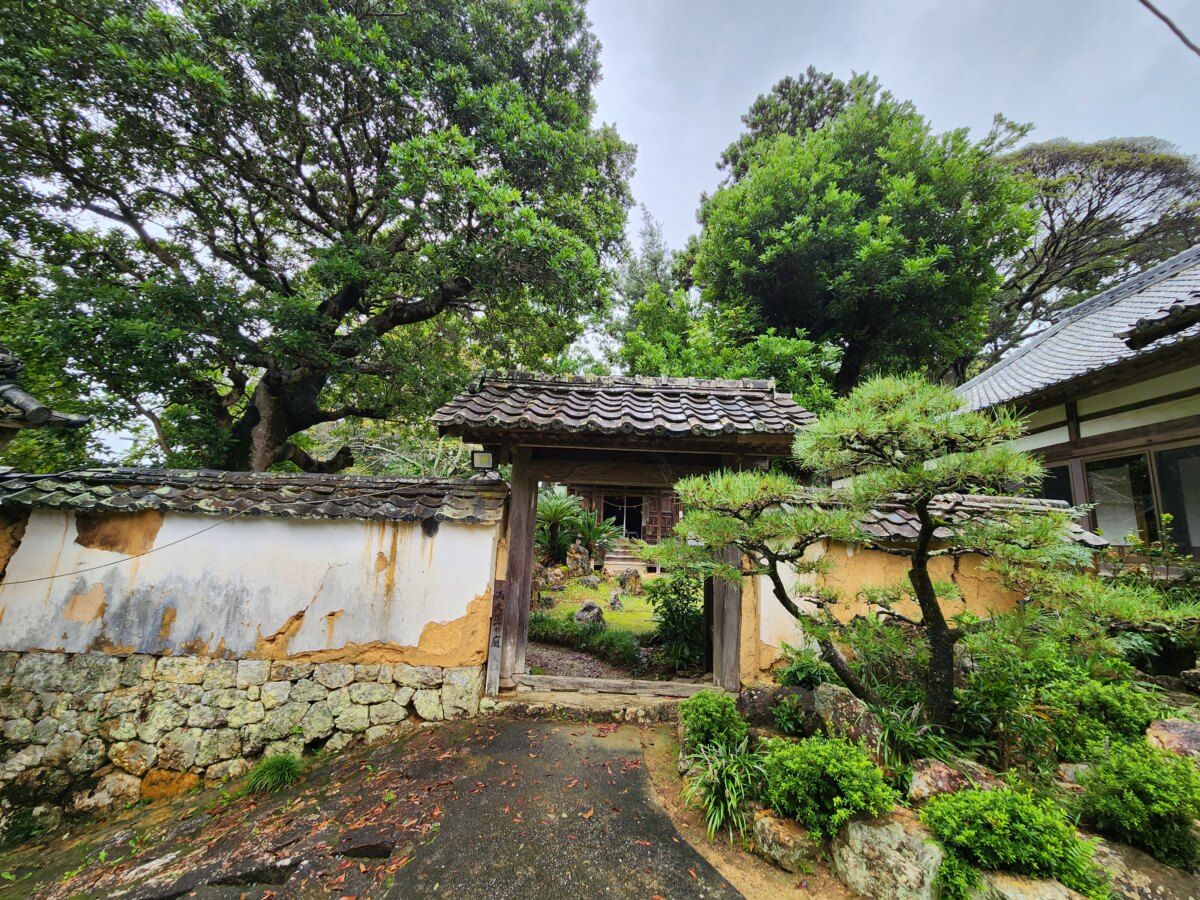
The temple was reduced in size as a result of the anti-Buddhist movement (haibutsu kishaku) of the Meiji era and went without a resident priest for many years. Today, the head priest of Kamoe-ji in Hamamatsu also serves as its head priest.
For about the past ten years, Buddhist nun Shinyo Yoshida has served as the temple’s caretaker, sharing the charm of this historic temple with people across Japan through events and learning opportunities.
Highlights of Choraku-ji
We asked Buddhist nun Shinyo Yoshida about the temple’s must-see spots.
Highlight 1: Dodan Garden
The guest hall offers a full view of the Dodan no Niwa (Dodan Garden), one of the Three Great Gardens of Enshu.
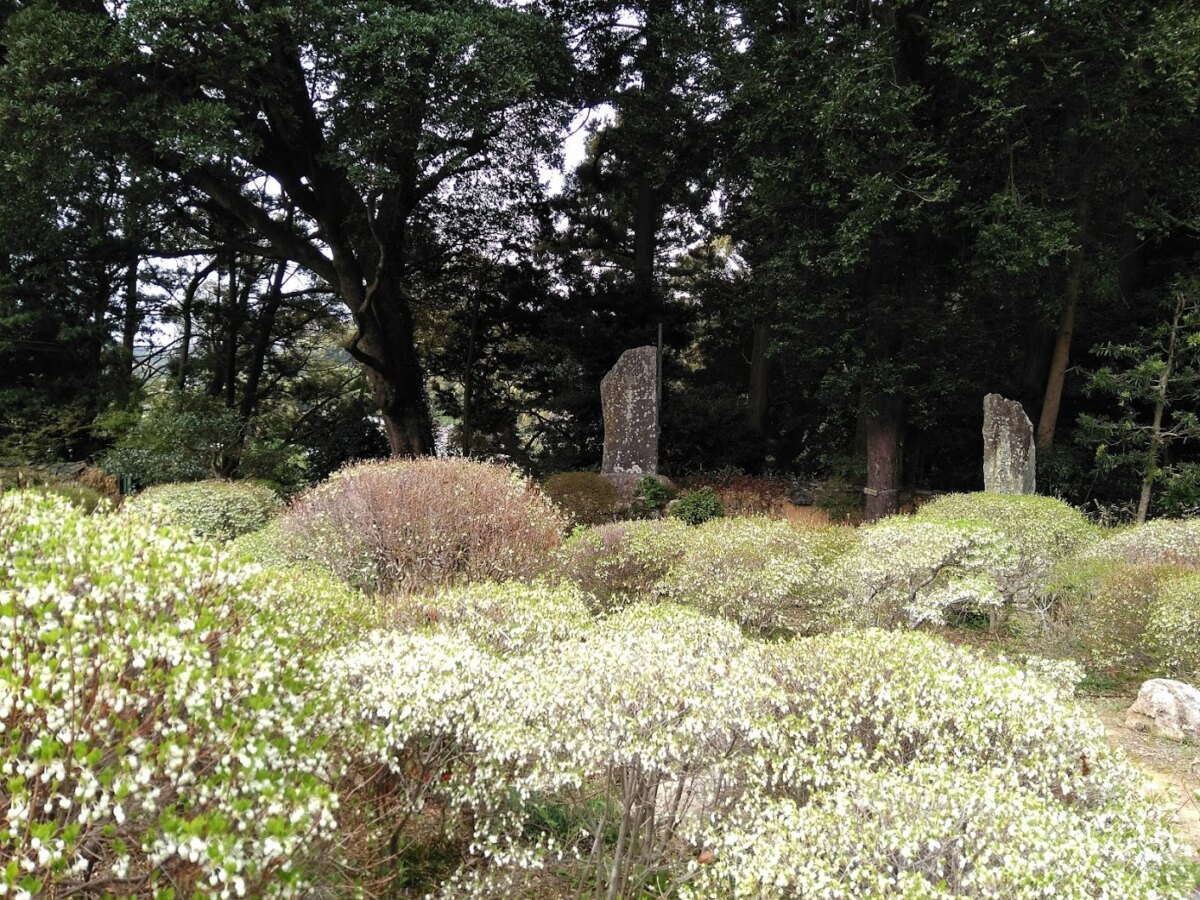
Photo courtesy of Choraku-ji
It is a kaiyu-shiki teien, or stroll garden, a style of Japanese garden designed to be explored on foot.
The garden, said to have been created by garden designer Kobori Enshu, is planted with more than 200 dodan-tsutsuji shrubs. Its name, written with characters meaning “a sky full of stars,” comes from the countless delicate white flowers that bloom in spring, which are likened to stars.
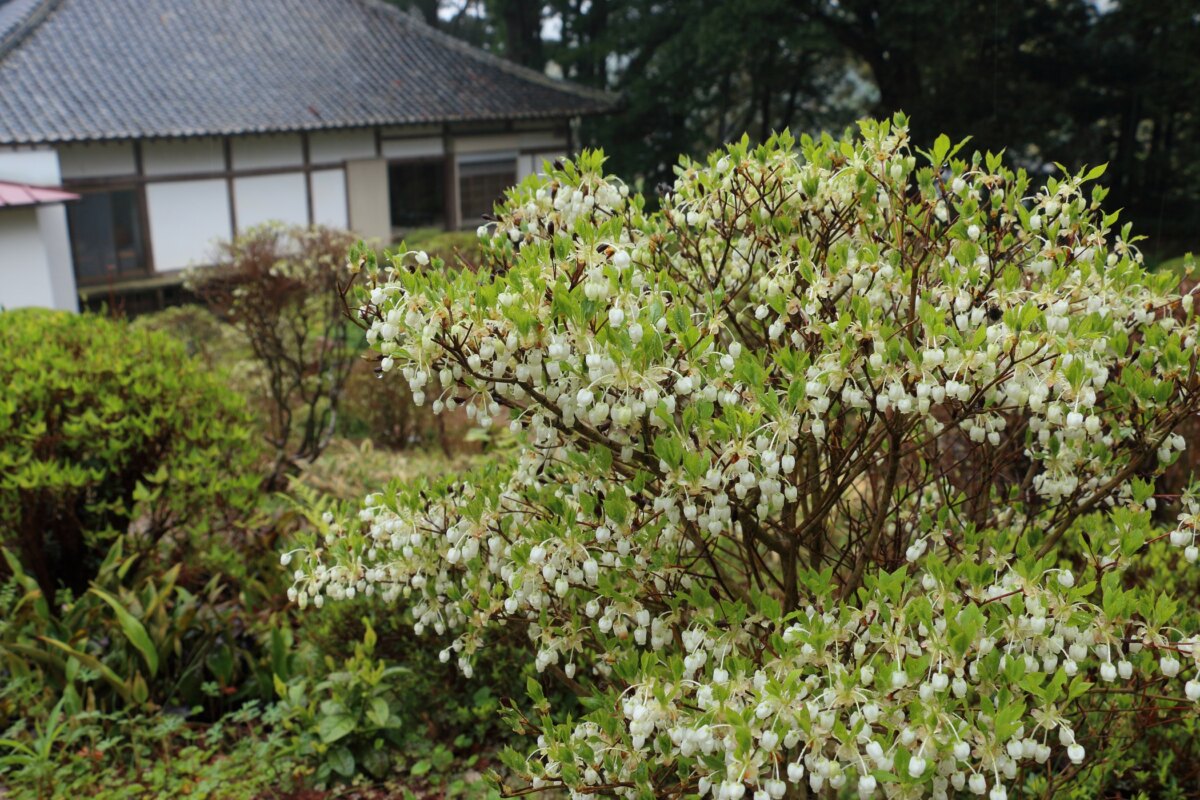
Photo courtesy of Choraku-ji
The Dodan Garden changes its look with the seasons. In autumn, the dodan-tsutsuji turn red, creating a charming scene that captivates visitors.

Photo courtesy of Choraku-ji
Here’s how the garden looked when we visited in early September.
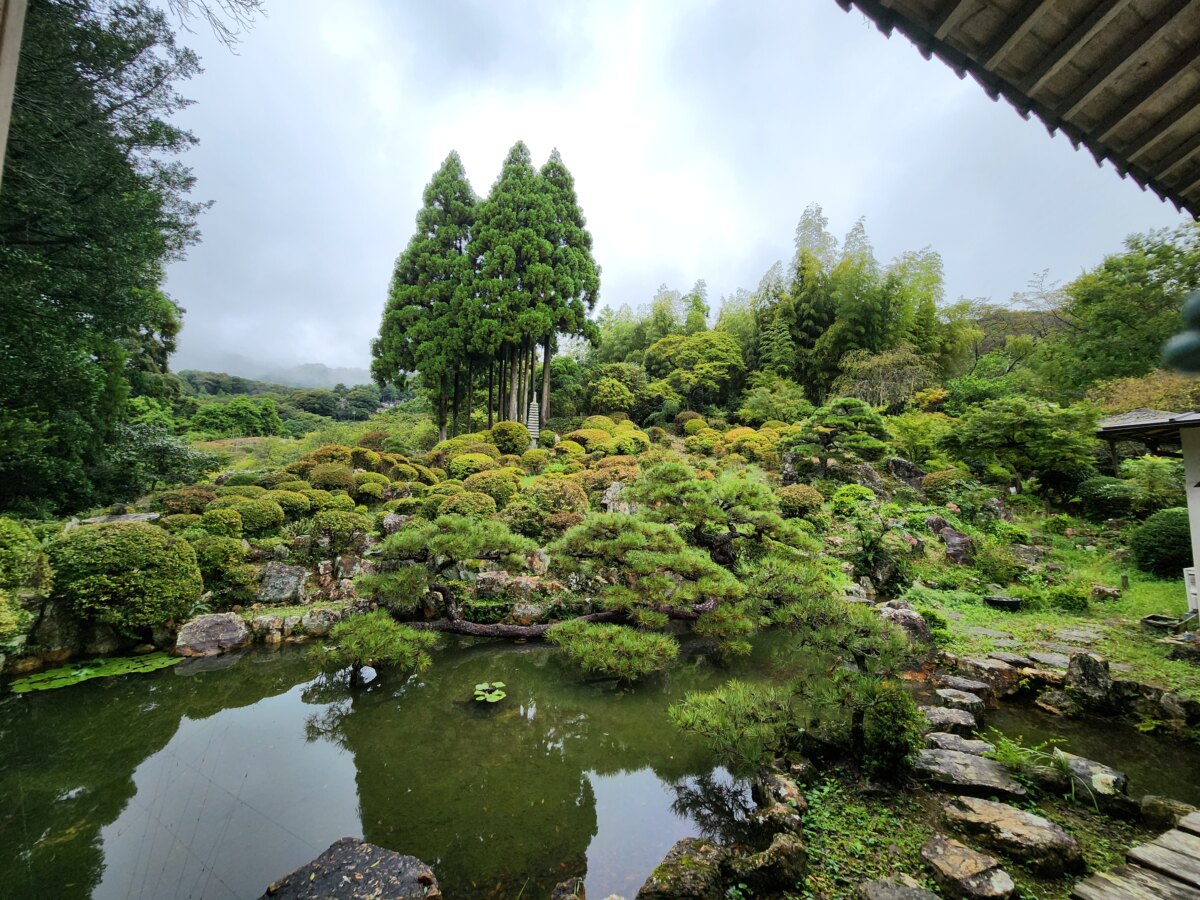
The greenery was beautiful, and it was a real treat to take in the view right in front of us at a leisurely pace.
To the front left of the guest hall stands Kogan-zan.
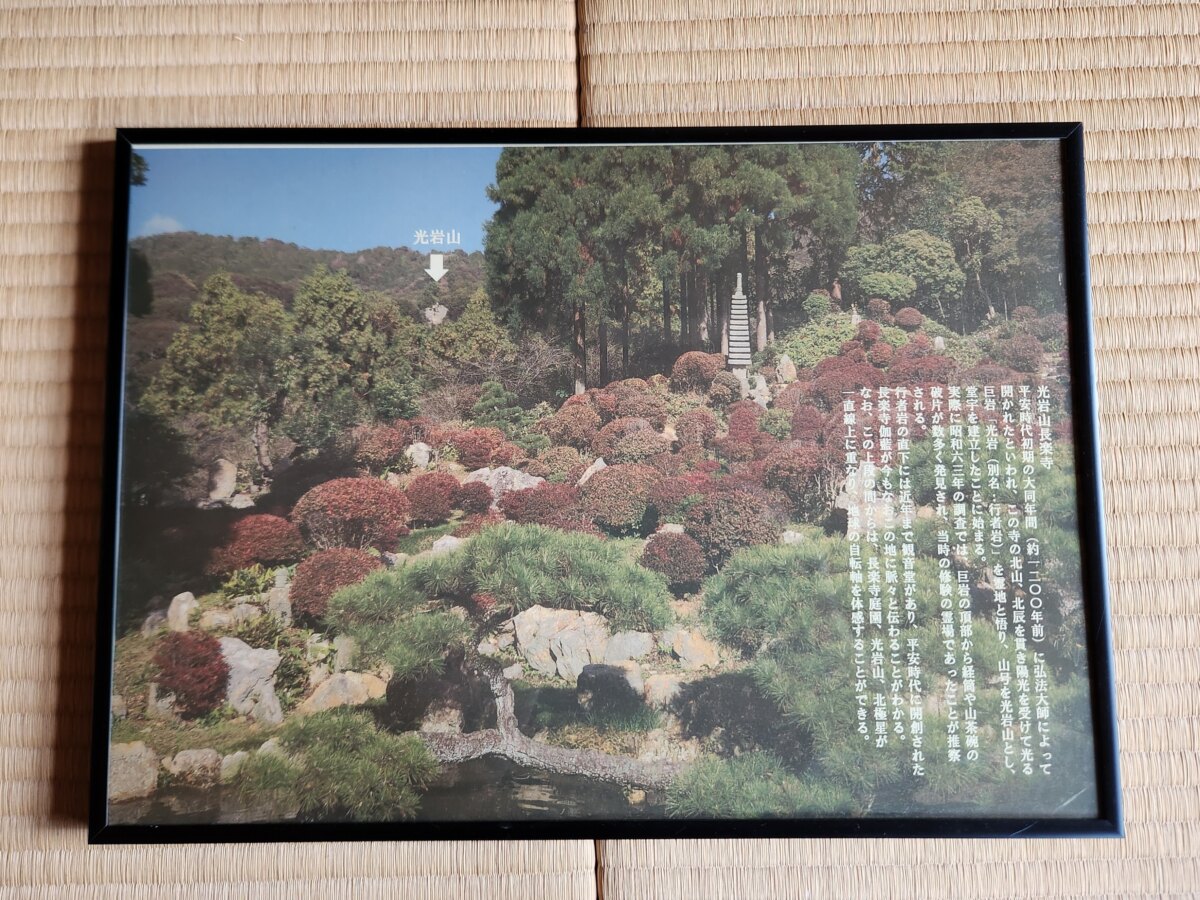
Set against a backdrop of lush mountains, the Dodan Garden features a thirteen-tiered pagoda, a bamboo grove, and pine trees. Be sure to also take note of the beautifully arranged combination of large and small cut stones.
Highlight 2: Temple Bell (Bonsho)
The temple bell bears an inscription that reads: “遠江国引佐郡気賀庄長楽寺 嘉元三年乙巳四月十日鋳之” (“Choraku-ji, Kiga Estate, Inasa District, Totomi Province. Cast on the tenth day of the fourth month of Kagen 3, the year of Kinoto-Mi.”)

It is said to be the second oldest temple bell still in existence in Shizuoka Prefecture. Kagen 3 (1305) was 721 years ago.
The oldest bell in the prefecture is on display in a museum, which makes this the oldest bell in Shizuoka that you can see at an actual temple.
The bell also has an additional inscription from Kanbun 8 (1668), as well as burn marks.

Designated a Cultural Property of Shizuoka Prefecture in 1957, this is a precious bell of great historical value.
Highlight 3: Seated Wooden Statue of Bato Kannon
Choraku-ji’s principal image, a seated wooden statue of Bato Kannon, is said to have been made in the Kamakura period.
It was designated a Tangible Cultural Property of Hamamatsu City on November 25, 1968.

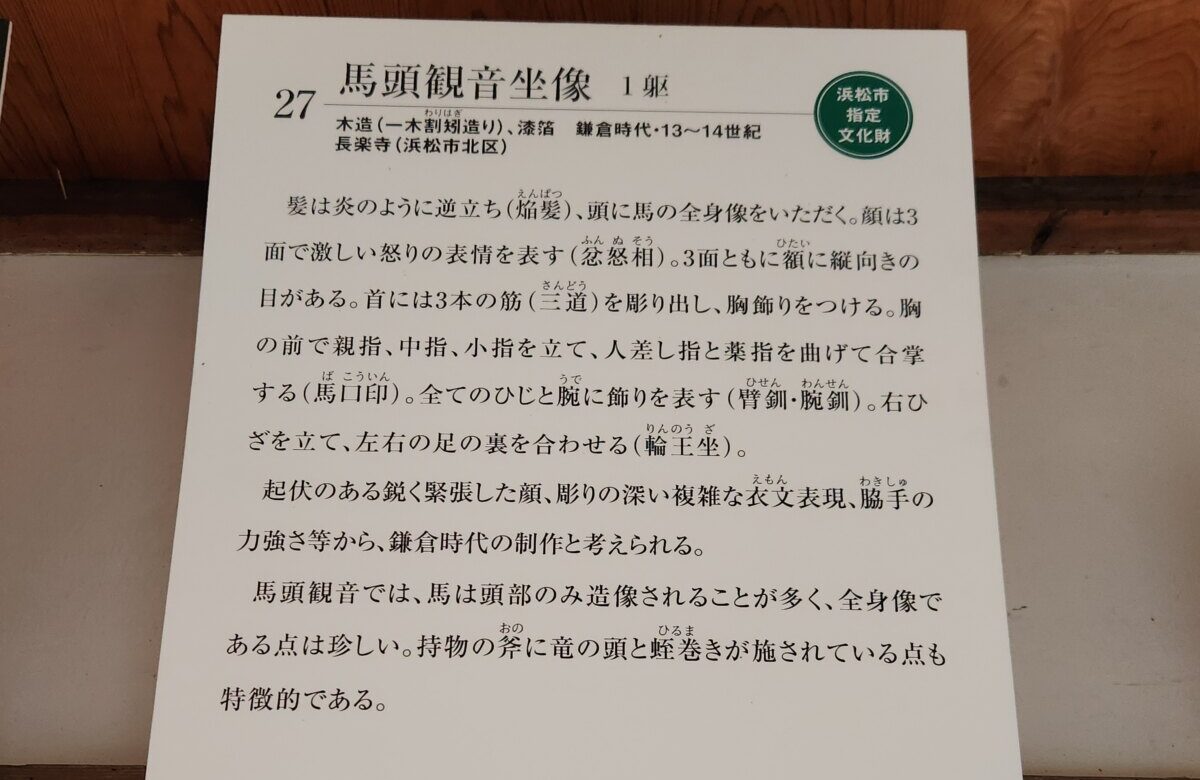
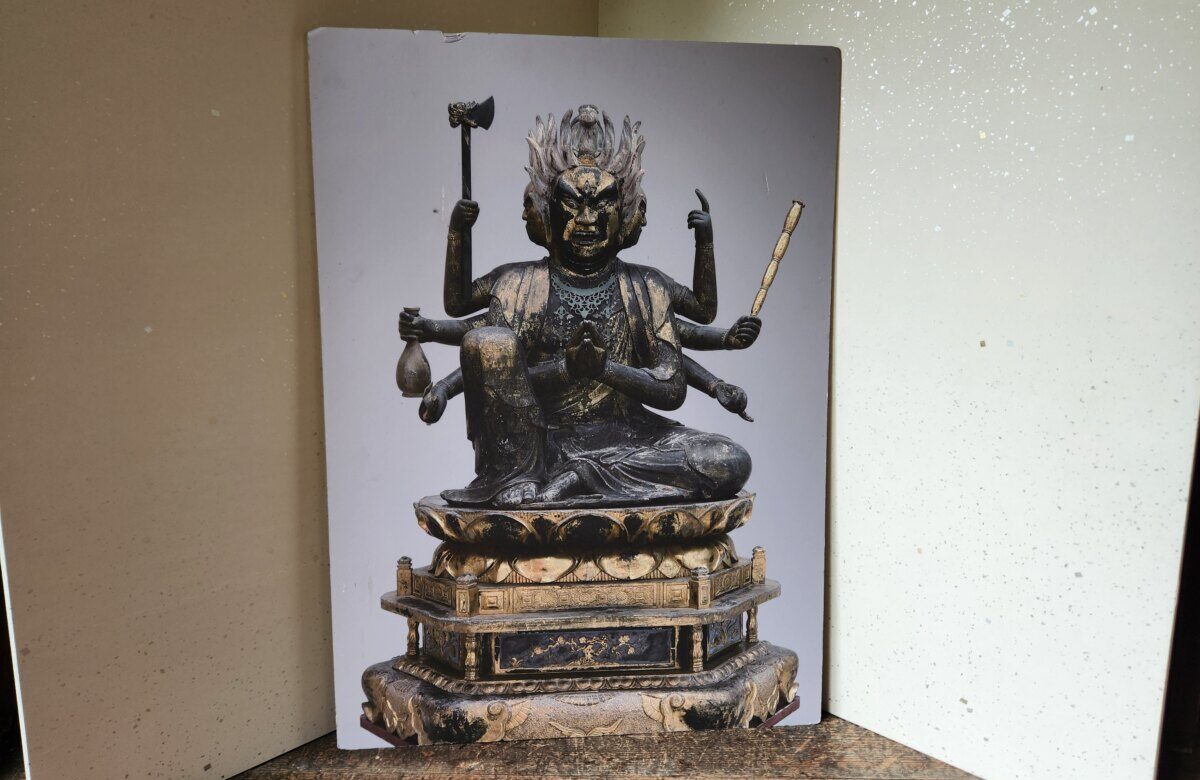
From the information panel:
The statue’s hair stands on end like flames, and it wears a full figure of a horse on its head. It has three faces, each with a fierce, wrathful expression, and all three have vertical eyes on their foreheads. Three lines are carved around its neck, and it wears a chest ornament. Its hands are joined in front of its chest, with the thumbs, middle fingers, and little fingers raised and the index and ring fingers bent. Ornaments are depicted on all of its elbows and arms. It sits with its right knee raised and the soles of both feet pressed together. Based on features such as its tense face with sharp, pronounced relief, the deeply carved and intricate folds of its robes, and the strength of its additional arms, the statue is thought to have been made in the Kamakura period.
In statues of Bato Kannon, the horse is usually depicted as a head only, so this full figure of a horse is rare. Also distinctive is the axe it holds, which is decorated with a dragon’s head and a spiral wrapping (hirumaki).
Highlight 4: Plum Blossom Tunnel
About 50 Nanko plum trees line the stone steps leading to the site of the former main hall.
The trees bloom around mid-February each year, making this a popular spot that draws many visitors who come to enjoy the plum blossoms and their refreshing fragrance.
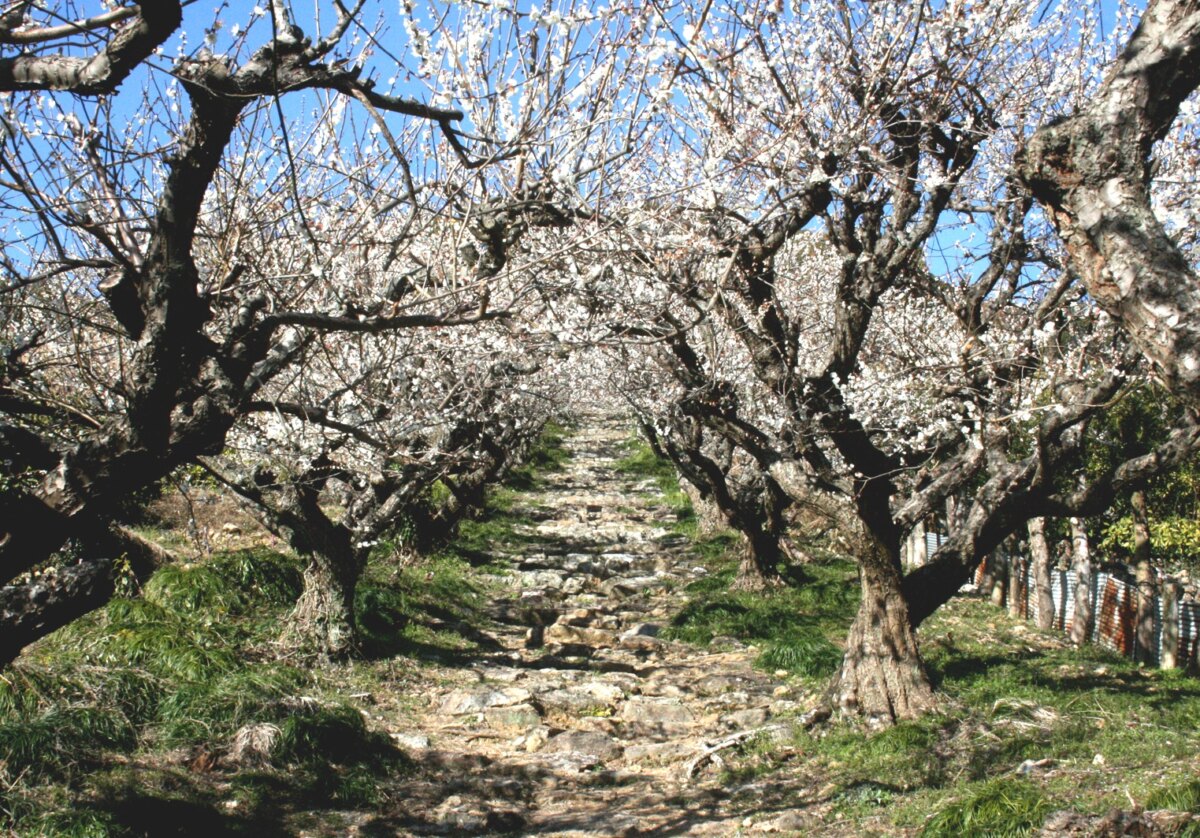
Photo courtesy of Choraku-ji
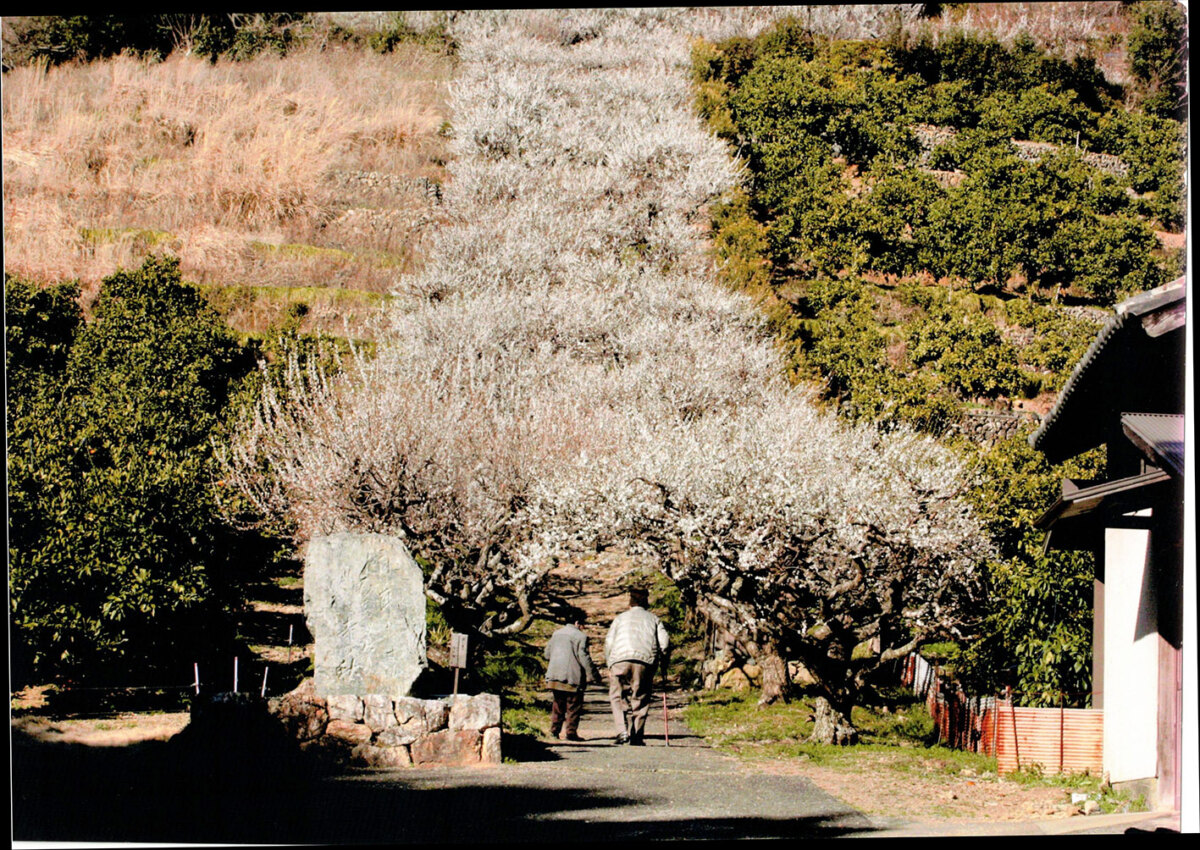
Photo courtesy of Choraku-ji
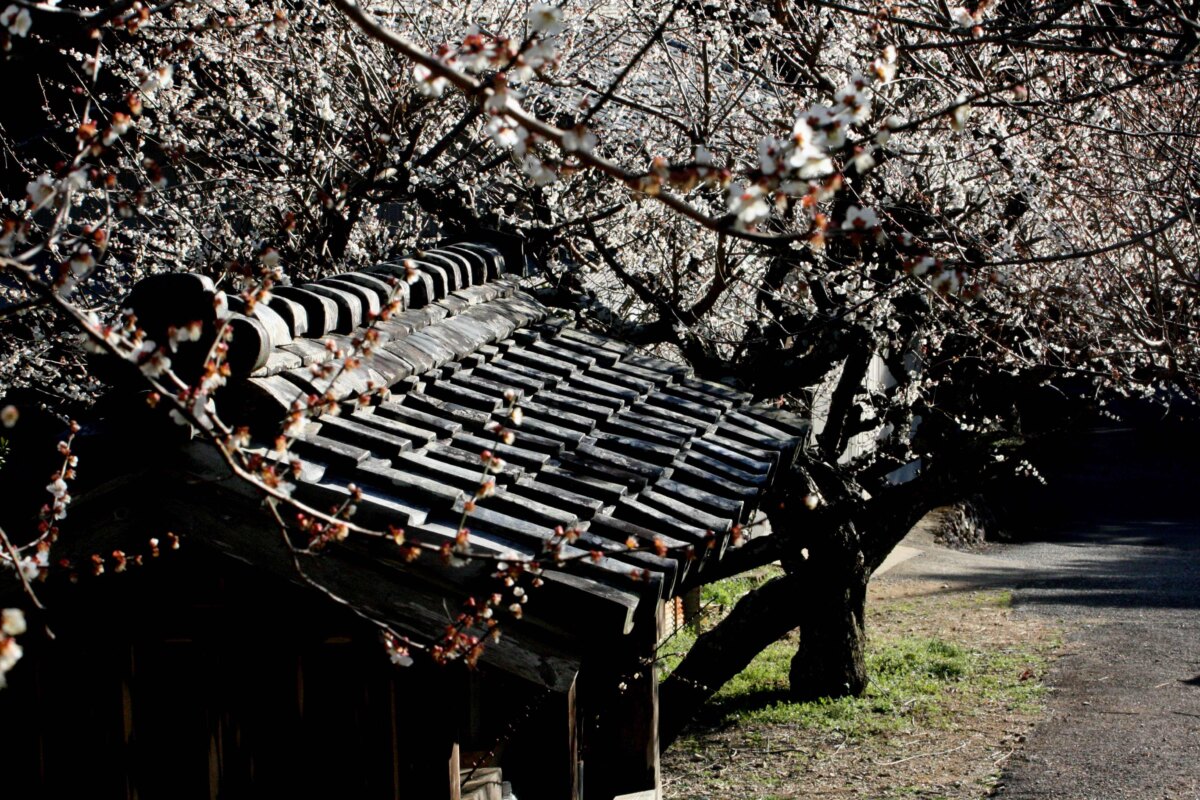
Photo courtesy of Choraku-ji
You can check the blooming status and other updates on Choraku-ji’s official website. We’re already looking forward to the plum blossoms in 2027!
Highlight 5: Reed Organs
Choraku-ji currently houses a total of seven pump organs and reed organs, earning it the nickname “the Organ Temple.”
Among them is the Nishikawa Organ No. 14, built in 1919 (Taisho 8), which is still in use today.
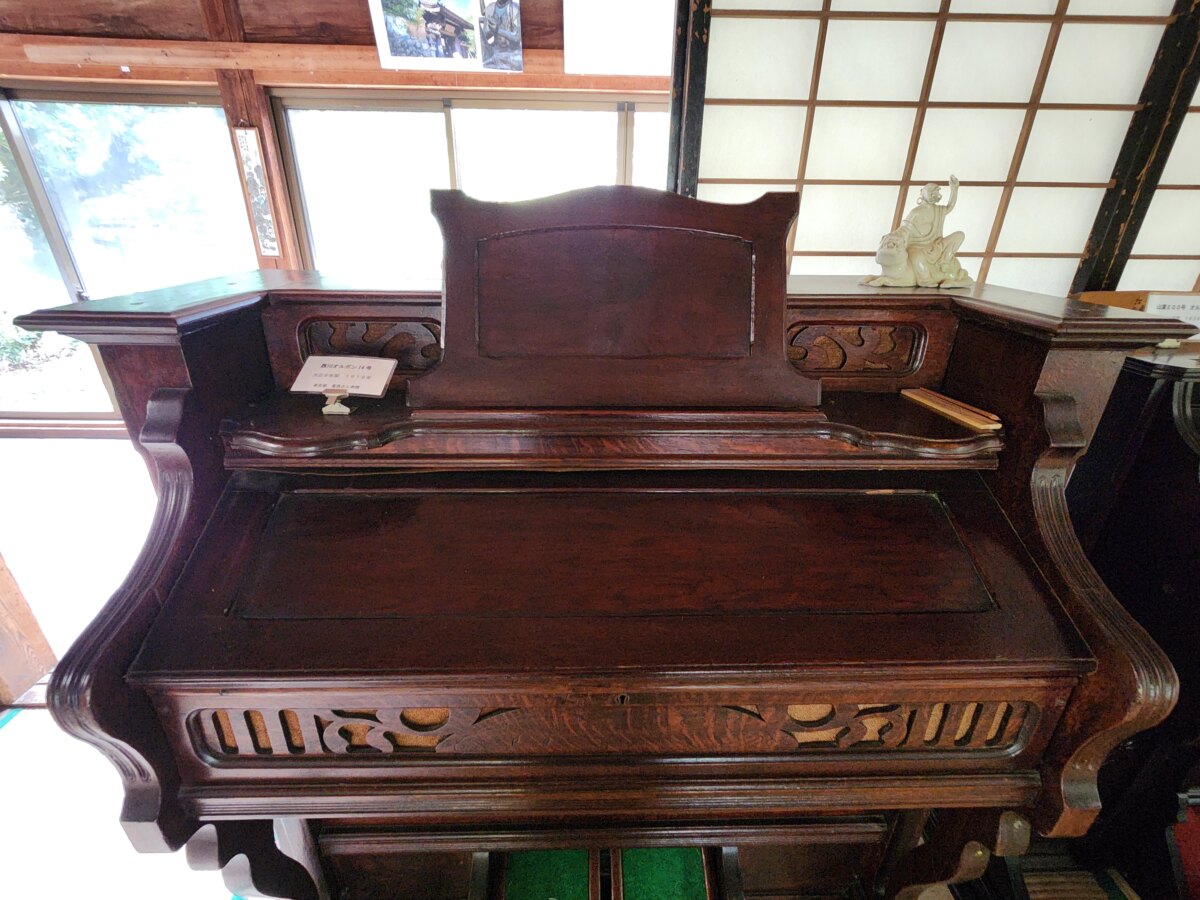
Reed organ concerts are held twice a year, filling the garden of this historic temple with nostalgic tones.
Concert schedules are available on Choraku-ji’s official website, so be sure to check it out!
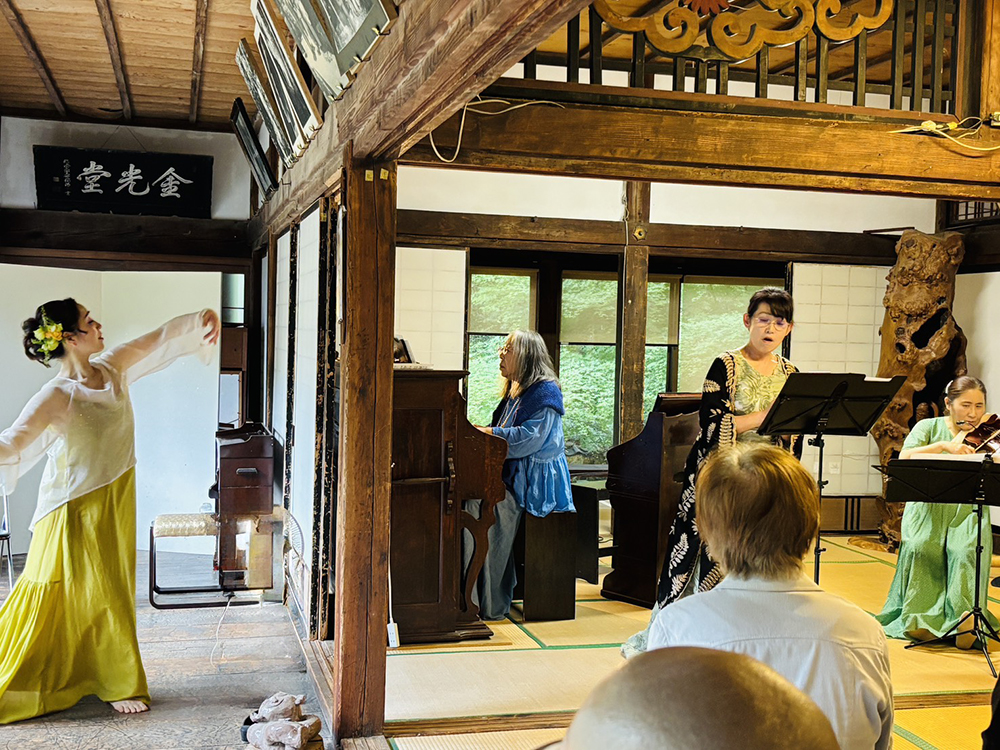
Photo courtesy of Choraku-ji
Facilities and Services at Choraku-ji
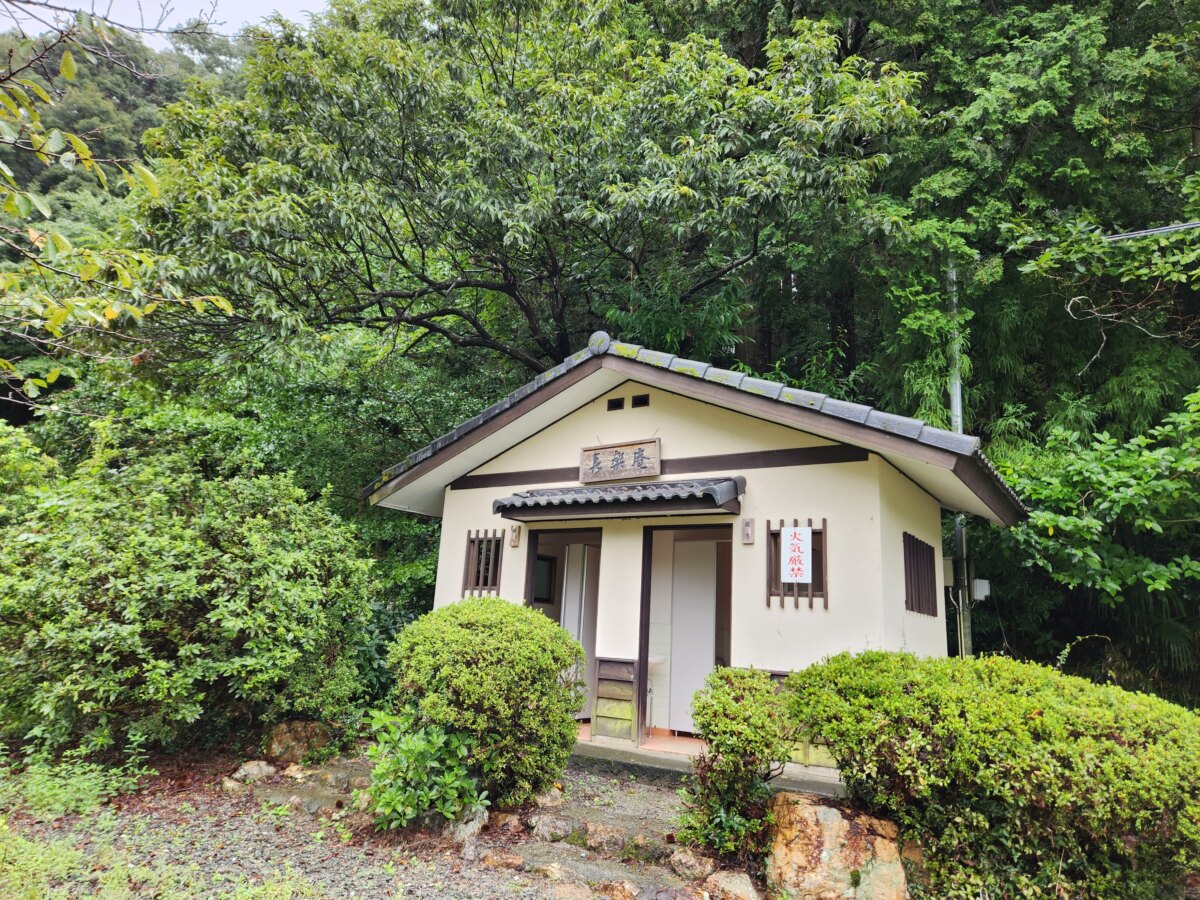
Restrooms: Available
*Restrooms are also available in the parking lot.
Free Wi-Fi: Not available
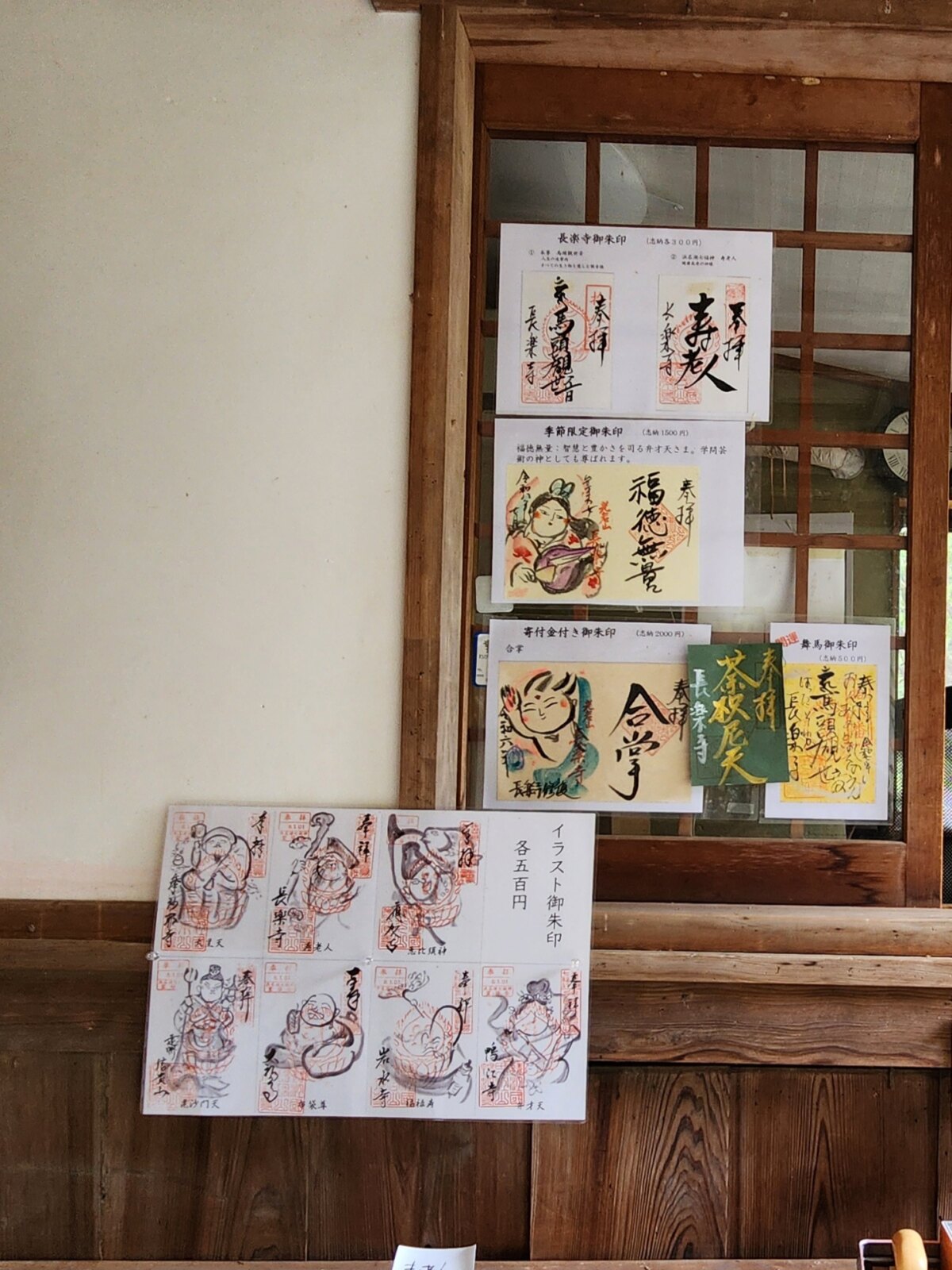
Goshuin: Available
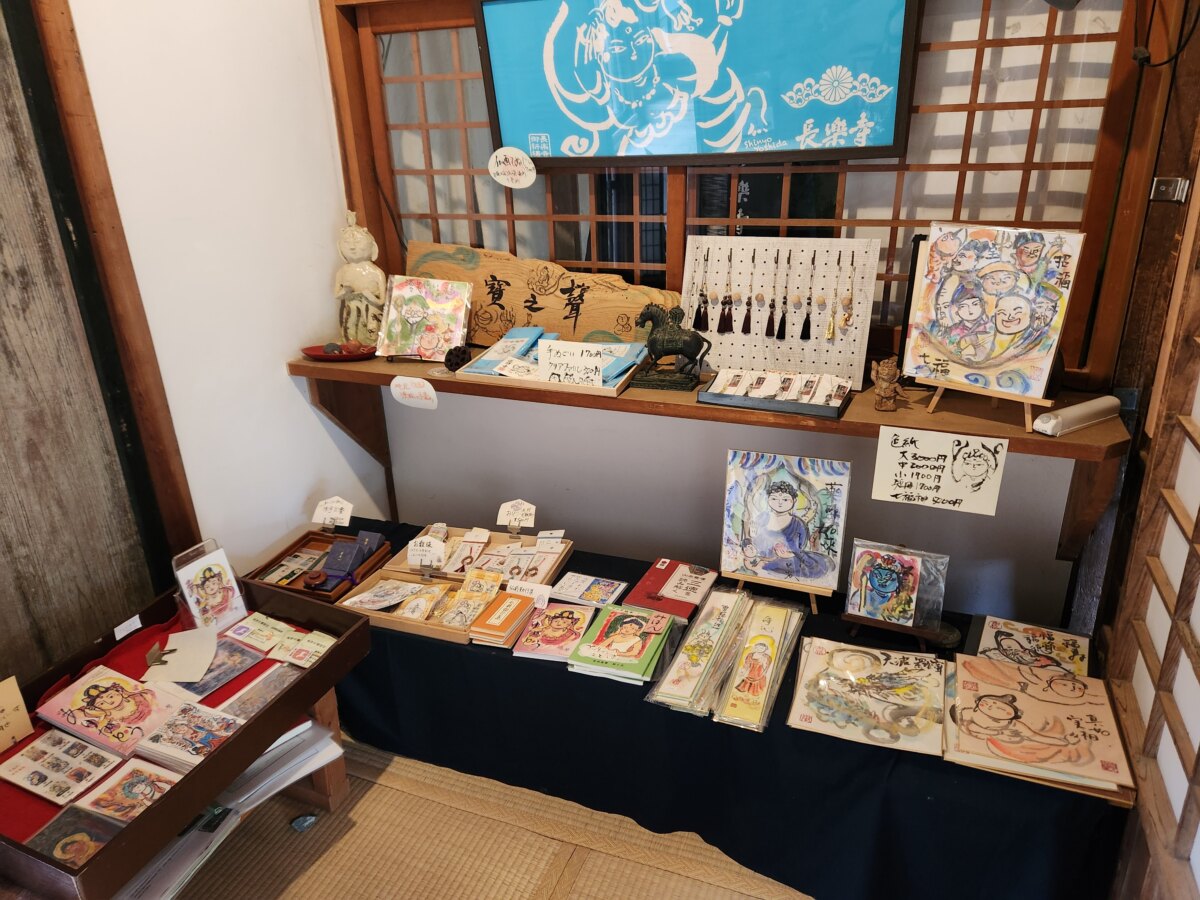
Shop: Available
Crowd Information
The temple may get crowded in spring, in autumn, and when the plum blossoms are at their peak.
Visitor Information
Address: 7953-1 Kiga, Hosoe-cho, Hamana-ku, Hamamatsu City, Shizuoka
Phone: 053-522-0478
Hours: 9:00 a.m. – 4:00 p.m.
Closed on irregular days *Please check before visiting.
Admission: 300 yen (high school students and older)

Official website: https://chouraku-ji.org/
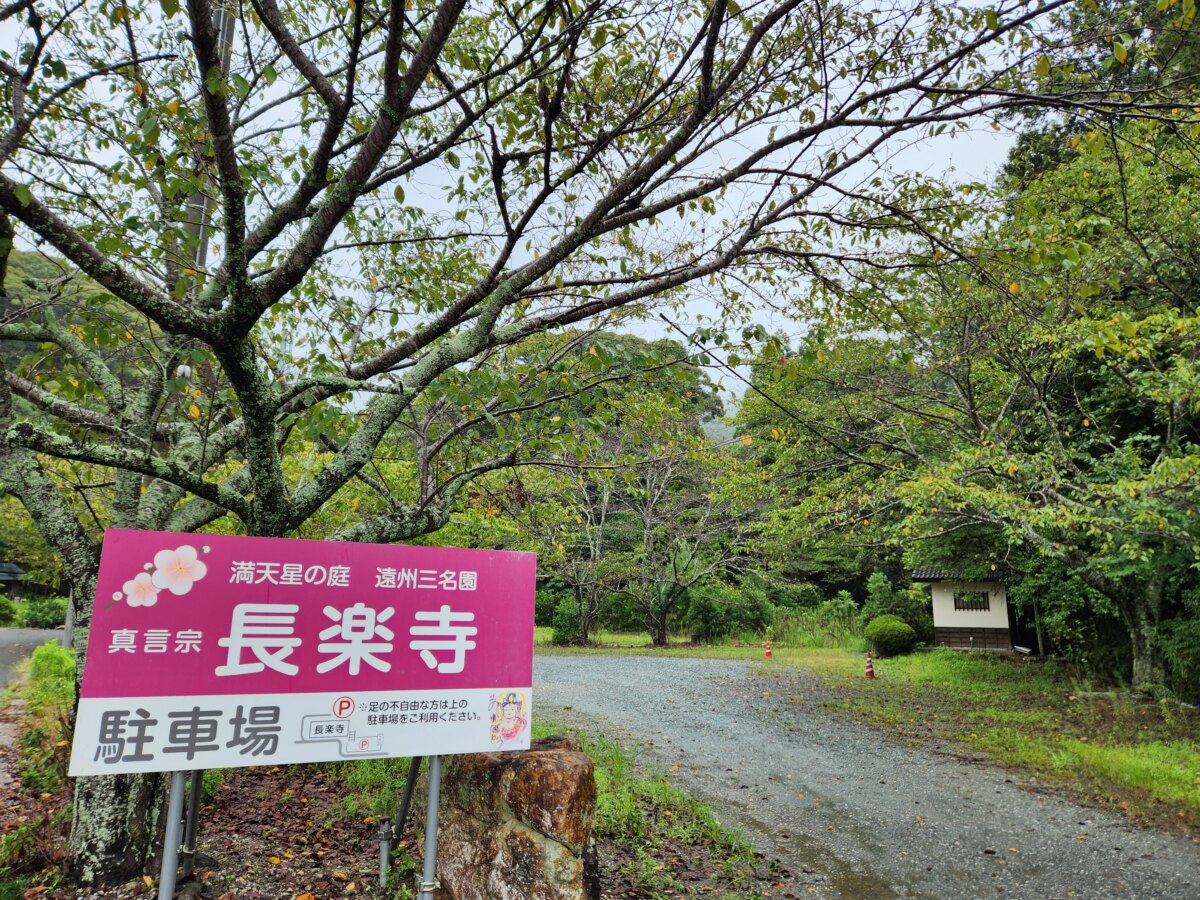
Parking: Free
1. West side of the main hall
Take the stairs up to the main hall.
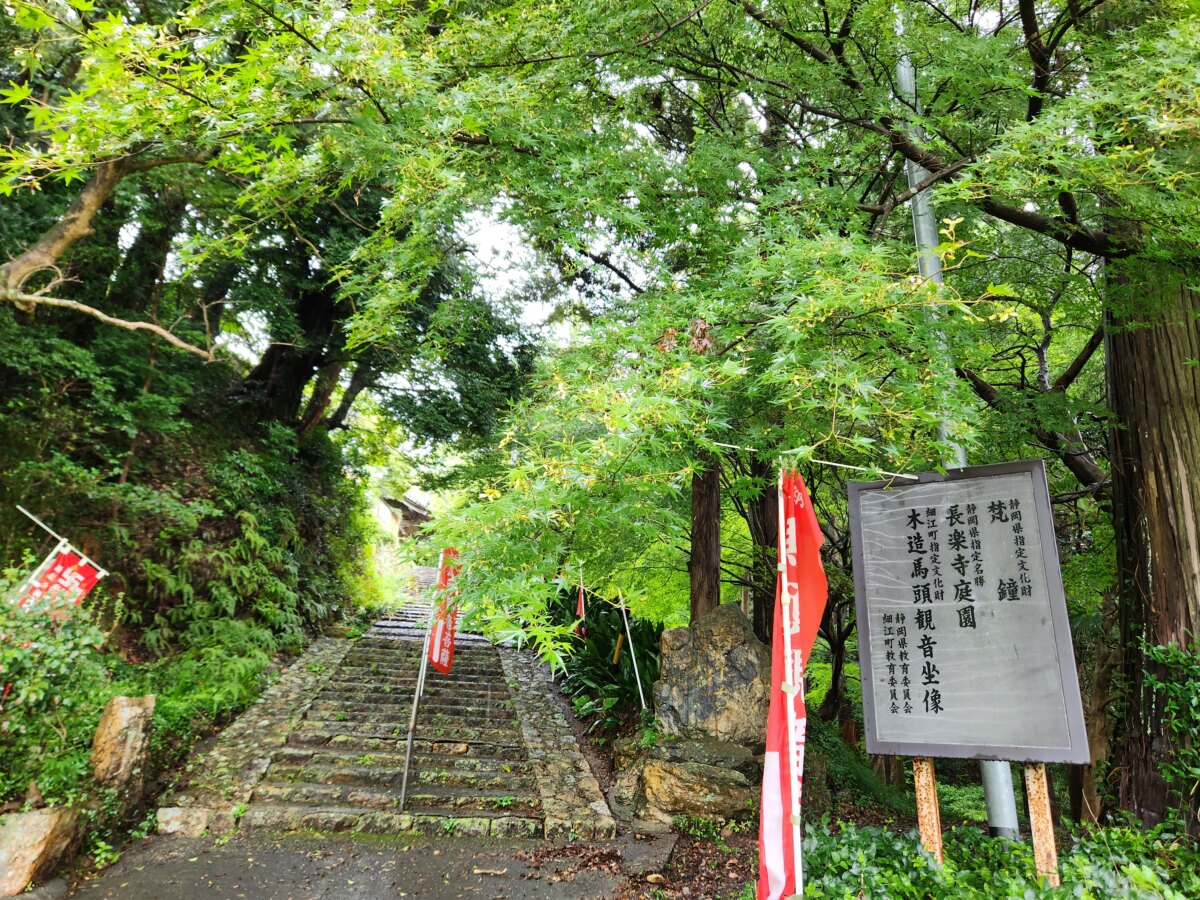
2. To reach the parking lot closest to the main hall, follow the signs.
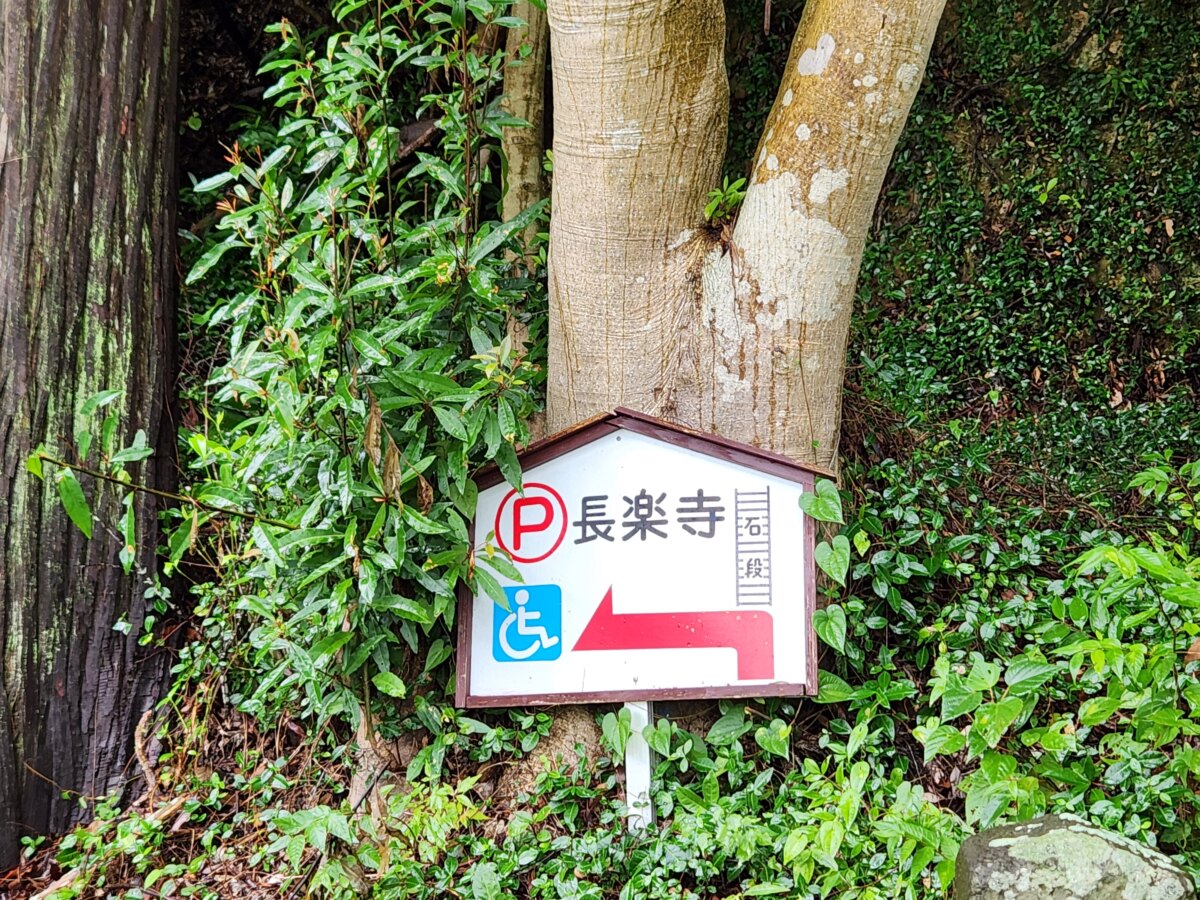
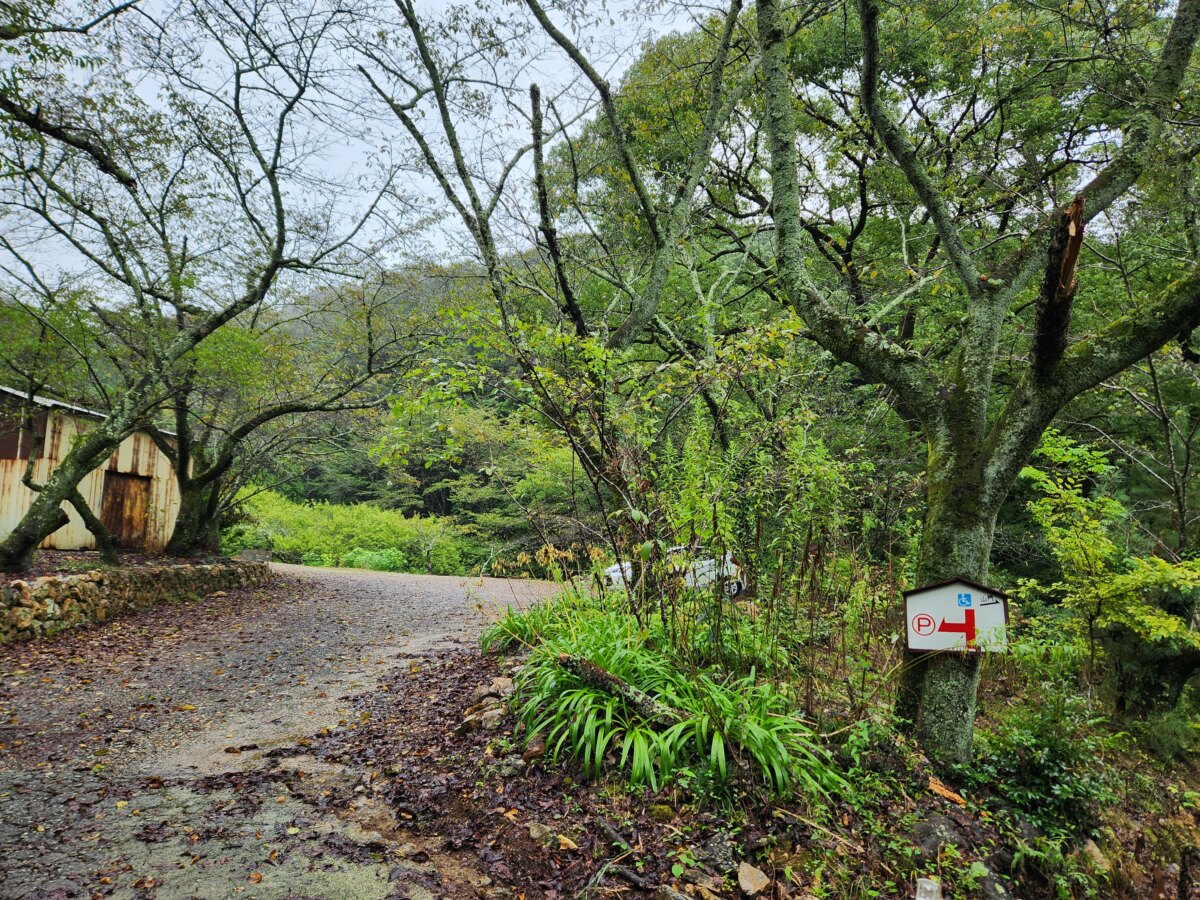
*Parking is also available at the entrance to the old plum path.
Access
🚗By Car
– Shin-Tomei Expressway: About 30 minutes from Hamamatsu SA Smart IC (ETC required)
– Tomei Expressway: About 25 minutes from Hamamatsu-Nishi IC, or about 20 minutes from Kanzanji Smart IC (ETC required)
– Tomei Expressway: About 20 minutes from Mikkabi IC
🚌By Bus
From JR Hamamatsu Station: Take the Entetsu Bus bound for Mikkabi Shako (about 1 hour) and get off at Chorakuji Iriguchi.
🚃By Train
From JR Kakegawa Station: Take the Tenryu Hamanako Railway to Kiga Station, then walk about 25 minutes.
Nearby Attractions
– Ryotan-ji Temple
– Ryugashido Cave
and more!
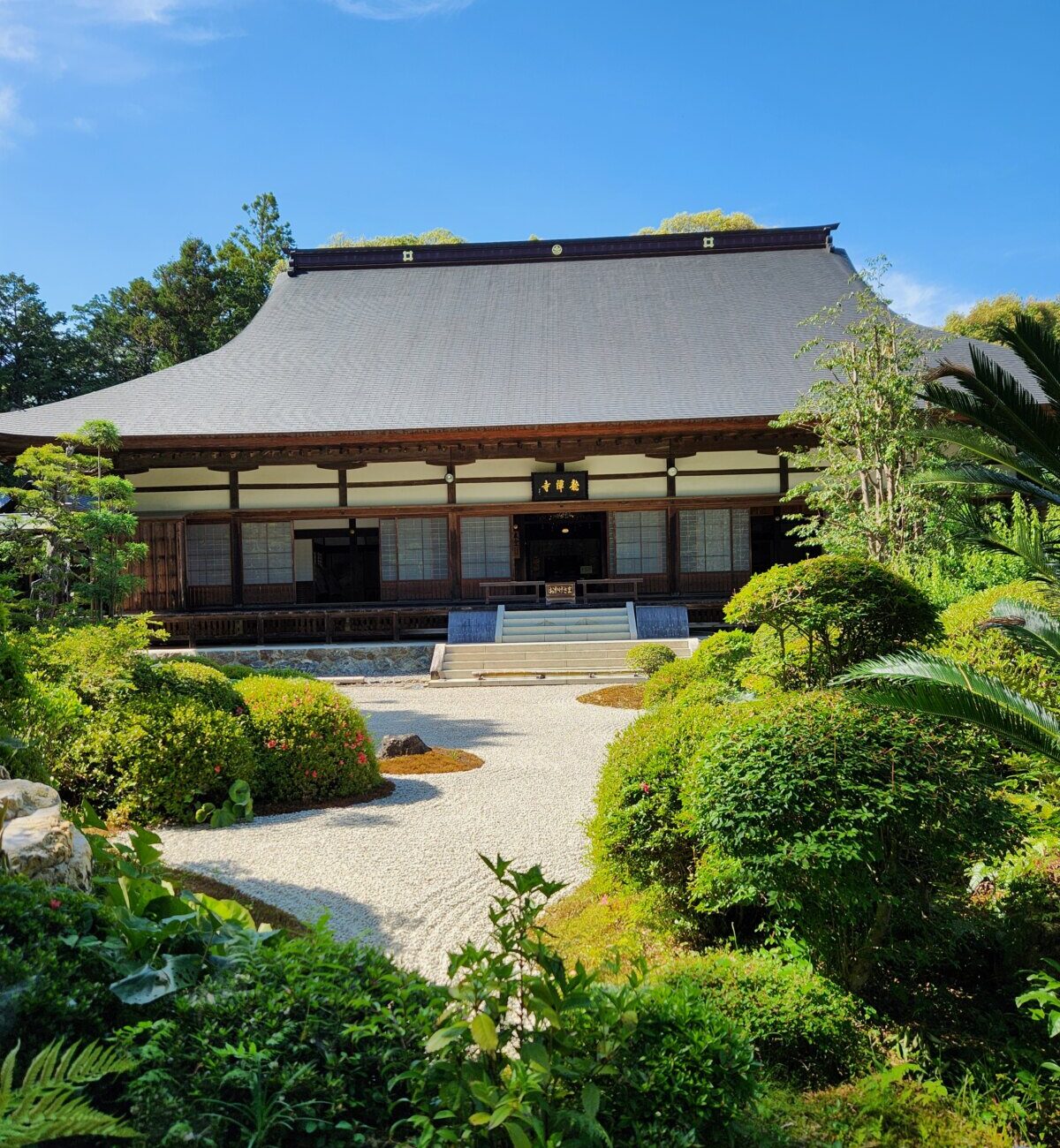
Ryotanji Temple: Home to a Nationally Designated Scenic Garden and Numerous Prefectural Cultural Properties
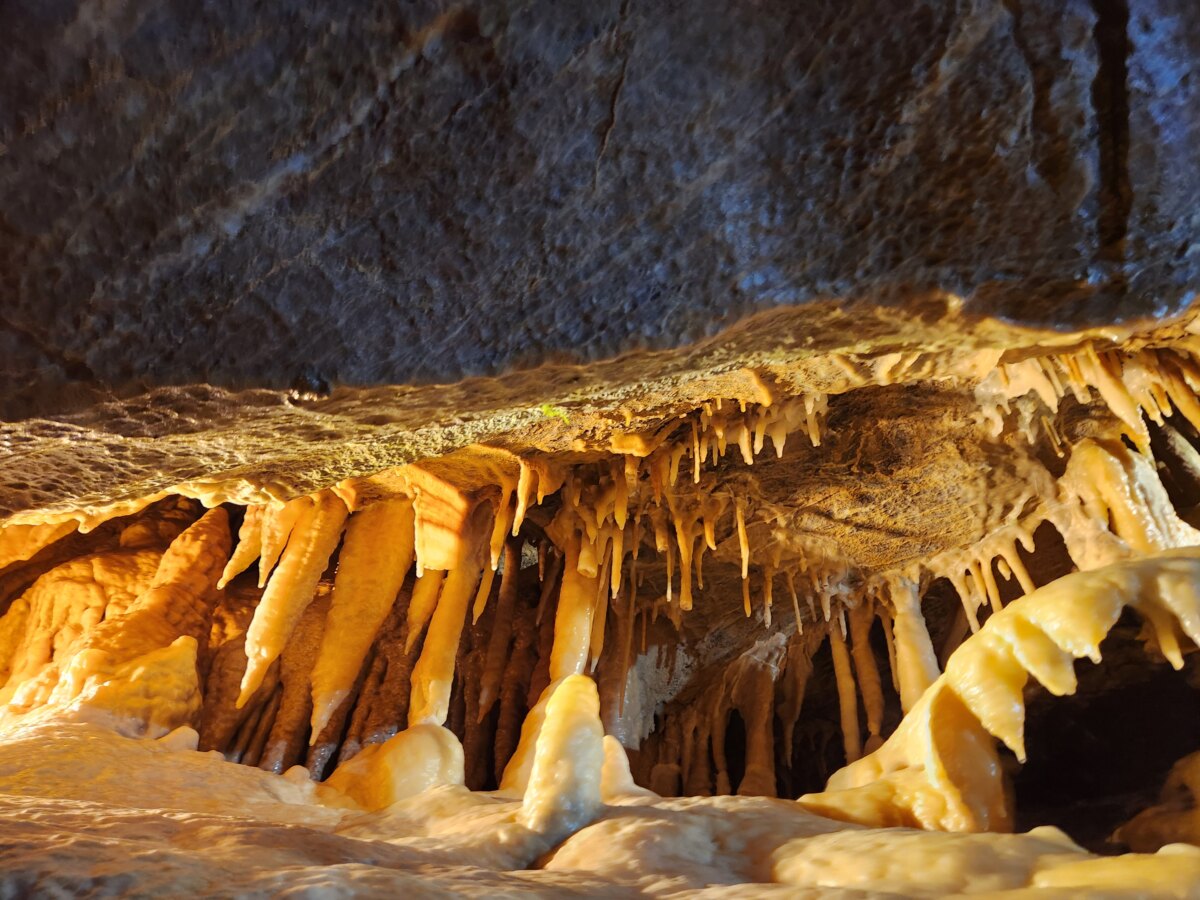
Ryugashido Cave: A World 250 Million Years in the Making, One of the Largest Limestone Caves in the Tokai Region
A Message to Readers from Shinyo Yoshida of Choraku-ji
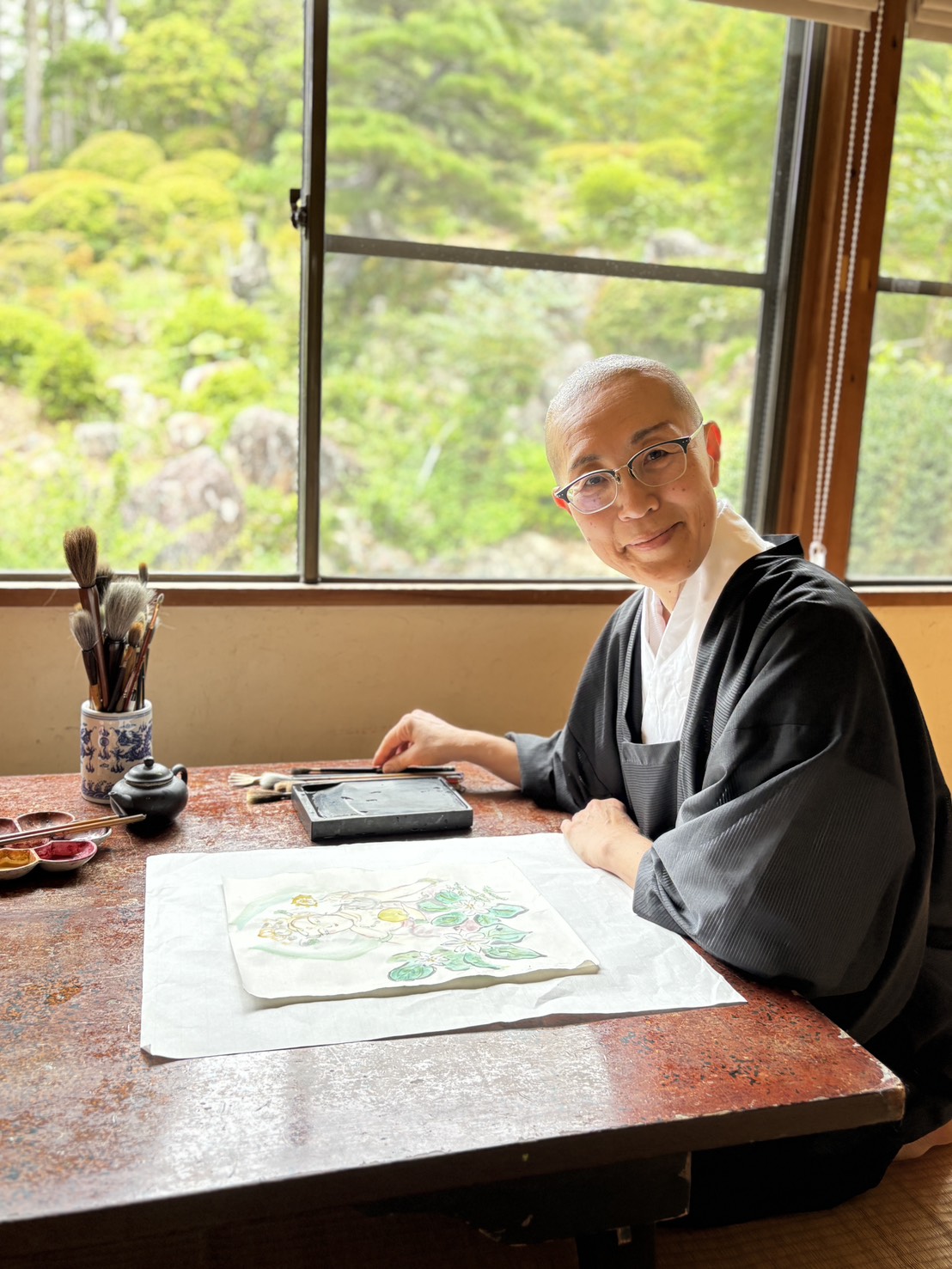
Photo courtesy of Choraku-ji
For more than a thousand years since the shining rock was first worshipped, Choraku-ji has kept the light of prayer burning, wishing for the peace and well-being of all people.
When I gaze at the North Star and the great rock from the upper chamber of the guest hall, I feel embraced by timeless nature, and my heart slowly settles into calm.
The song of birds, the rustling of trees, the sound of a waterfall.
Conversing with nature, and facing your own heart in the stillness—
Please come and spend such a moment here at Choraku-ji.
This time, we introduced Choraku-ji.
We spoke with Buddhist nun Shinyo Yoshida, whose cheerful, energetic personality made our visit a truly enjoyable experience.
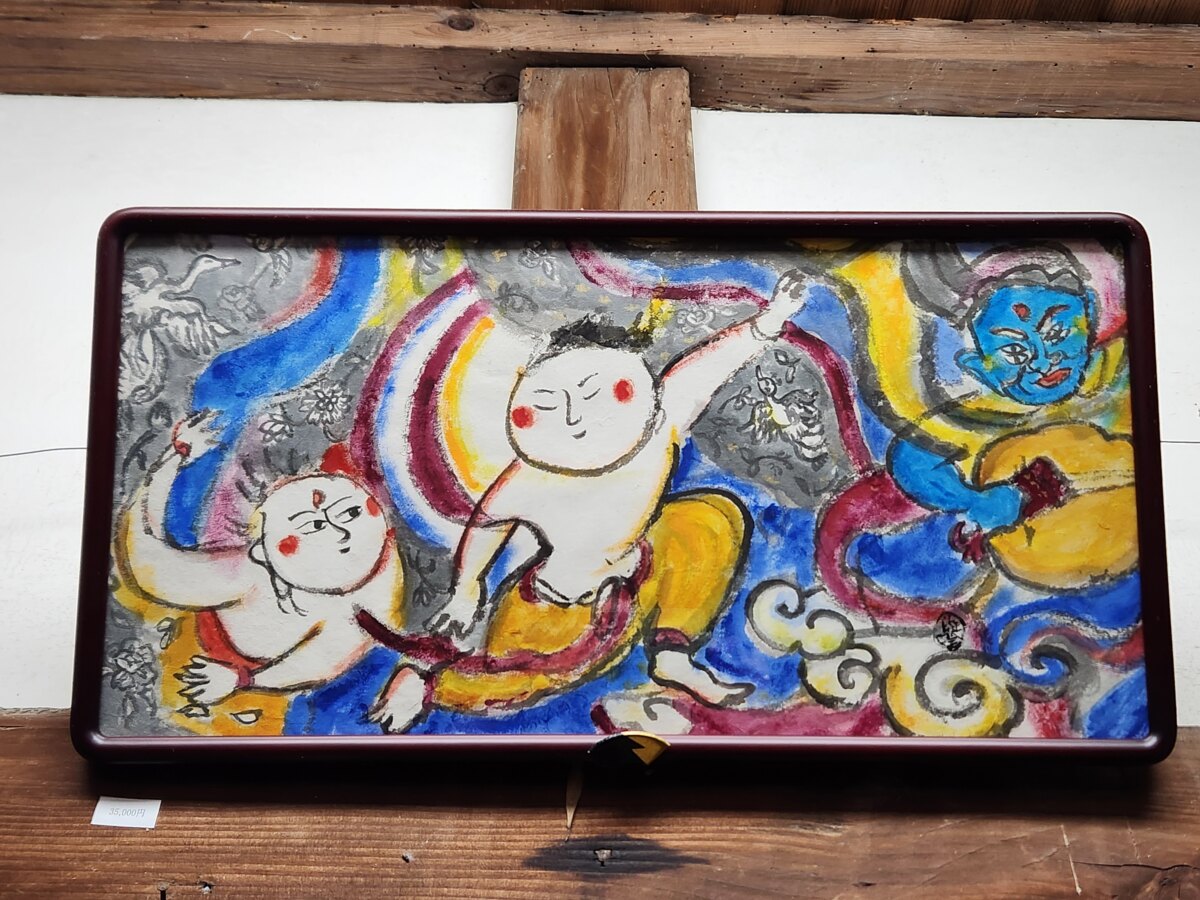
The temple offers events and learning opportunities on several days each month.
Choraku-ji also displays Buddhist paintings by Shinyo Yoshida, who is a painter of Buddhist images herself. There are also opportunities to learn from her directly, so be sure to check the official website for details.
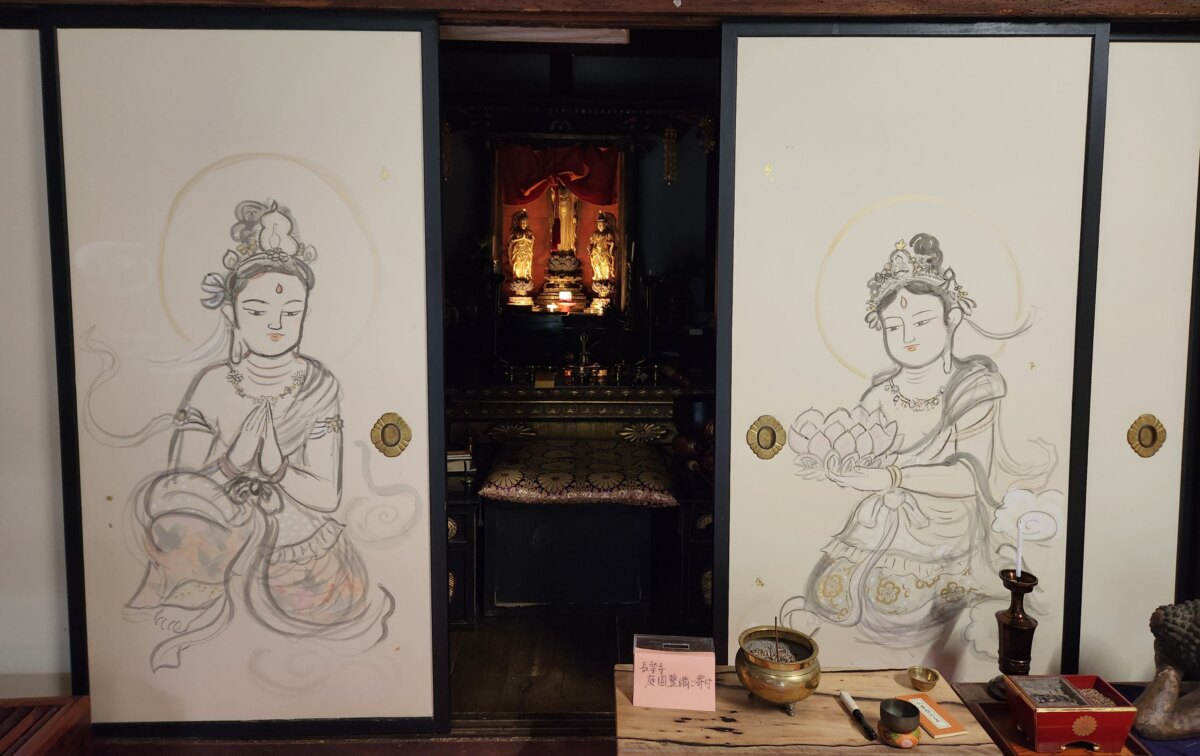
Surrounded by lush greenery, Choraku-ji is a place we recommend for relaxing and letting yourself be embraced by nature.
Interview cooperation and photos courtesy of Choraku-ji Temple
*The information in this article is subject to change.