Get to Know Hamamatsu
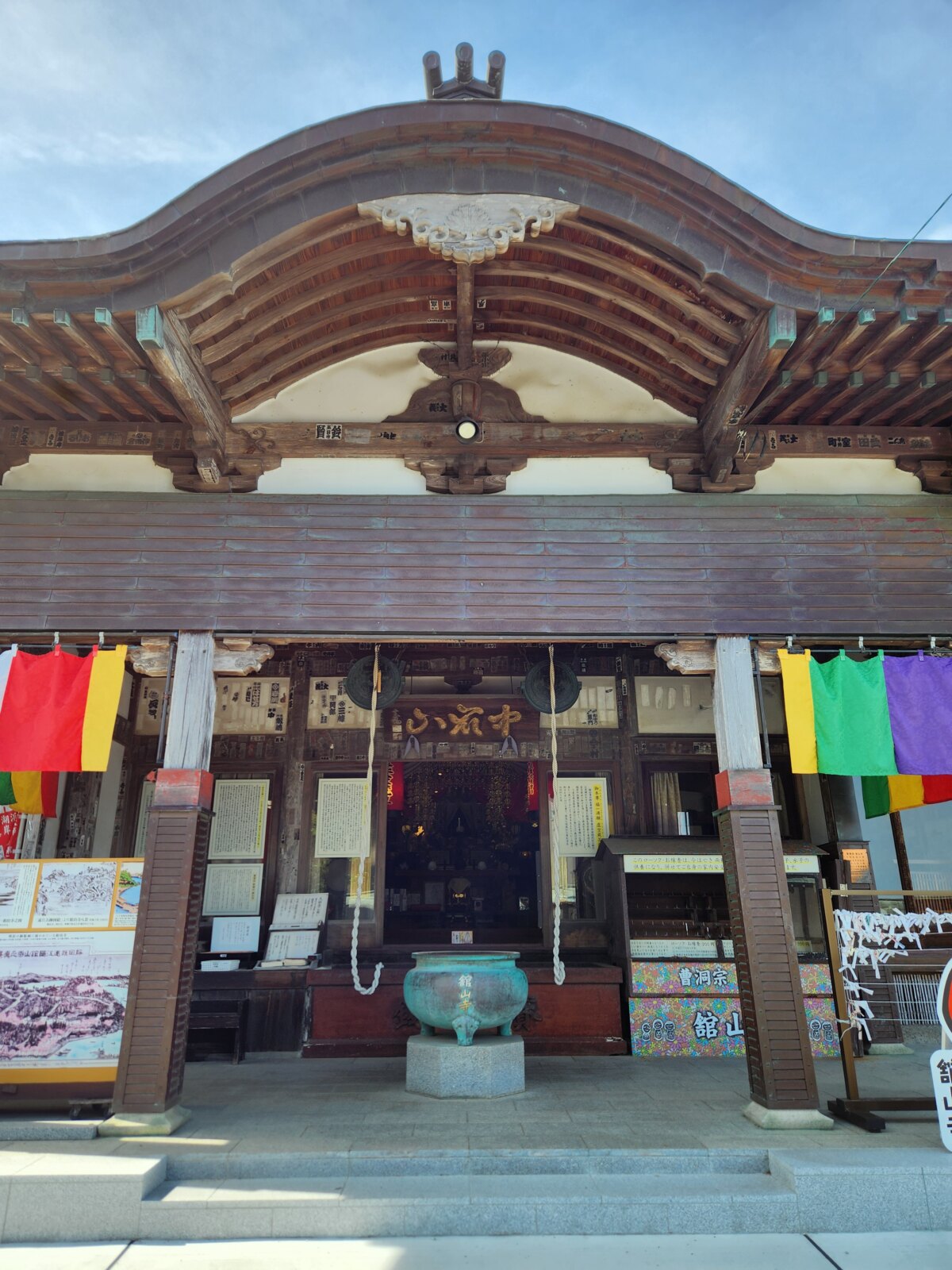

Situated halfway up Mt. Tateyama, the temple is surrounded by the beautiful scenery of Lake Hamana and blessed with abundant nature.
This article was created on May 28, 2026.
This time, we visited Akihasan Kanzanji Temple of the Soto Zen Sect, located in Kanzanji-cho, Chuo Ward, Hamamatsu City.
Situated halfway up Mt. Tateyama, the temple is surrounded by the beautiful scenery of Lake Hamana and blessed with abundant nature.
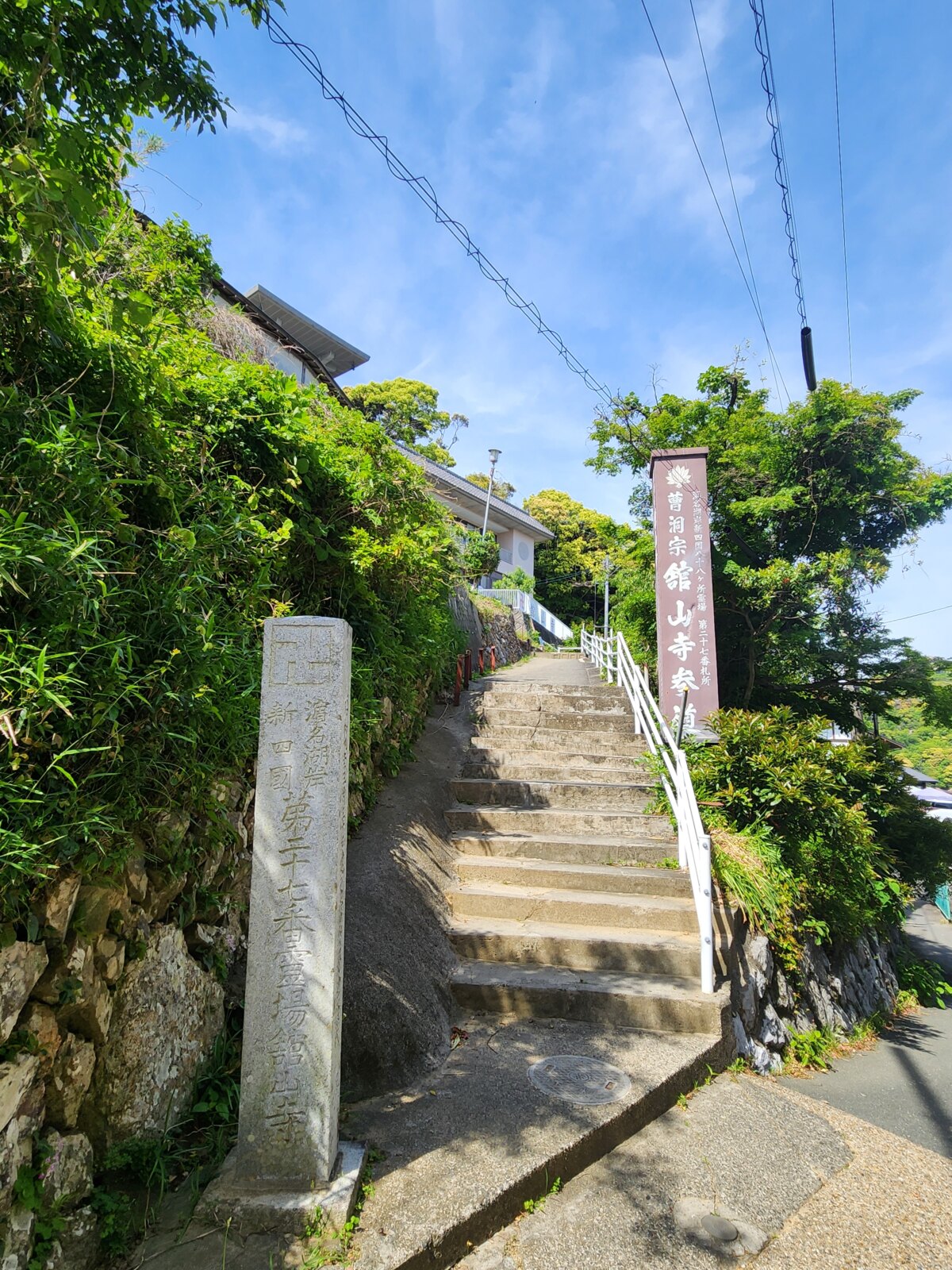
Visitors can enjoy a relaxing stroll while taking in the views, and dogs are also welcome in most areas except for the main hall and the Fudasho (pilgrimage sites). Please check ahead for the latest rules on dog-friendly areas.
From the popular Matchmaking Jizo statue to the Ana Daishi known for prayers for eye health, along with Kannon statues and many other highlights, Kanzanji Temple is full of charming spots to discove.
What kind of temple is Kanzanji?
Kanzanji Temple is said to have been founded in 810 by Kōbō Daishi (Kūkai), who traveled across Japan on foot as part of his ascetic training to study Buddhism and arrived at Mt. Tateyama, where he established the temple.
The temple was later rebuilt by Minamoto no Yoritomo after being destroyed in wartime (though it was burned down again afterward).
It also received an important historical document of recognition as a temple, a “Goshuin Hanbutsu”, from Tokugawa Ieyasu, helping to establish its status. Kanzanji Temple flourished as one of the well-known temples in the Tokai region.
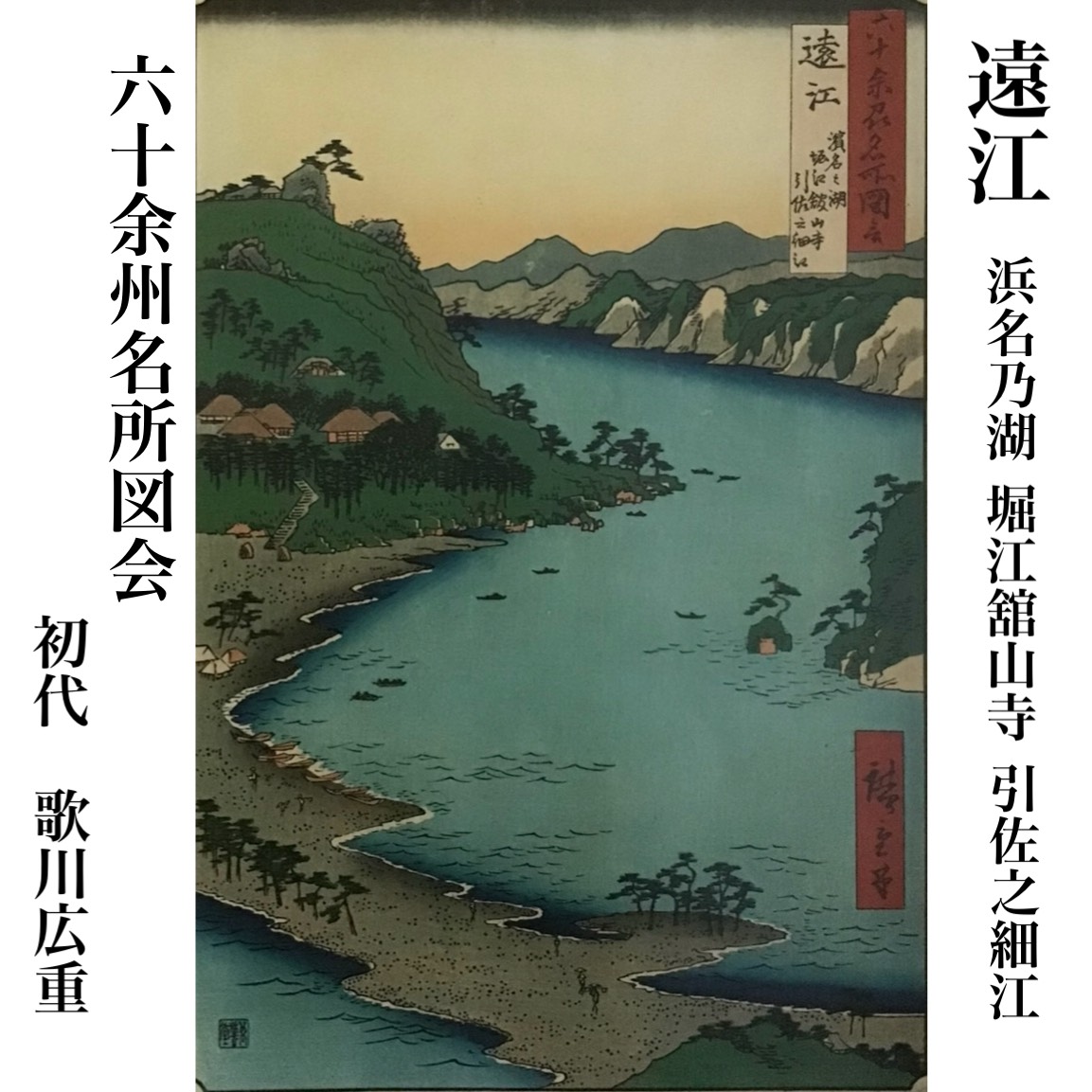
Source: Kanzanji Temple
Due to the Meiji government’s Shinbutsu Bunri policy, the temple was once abolished. However, in 1890, it was revived as a branch of Akihasan Akiha Temple.
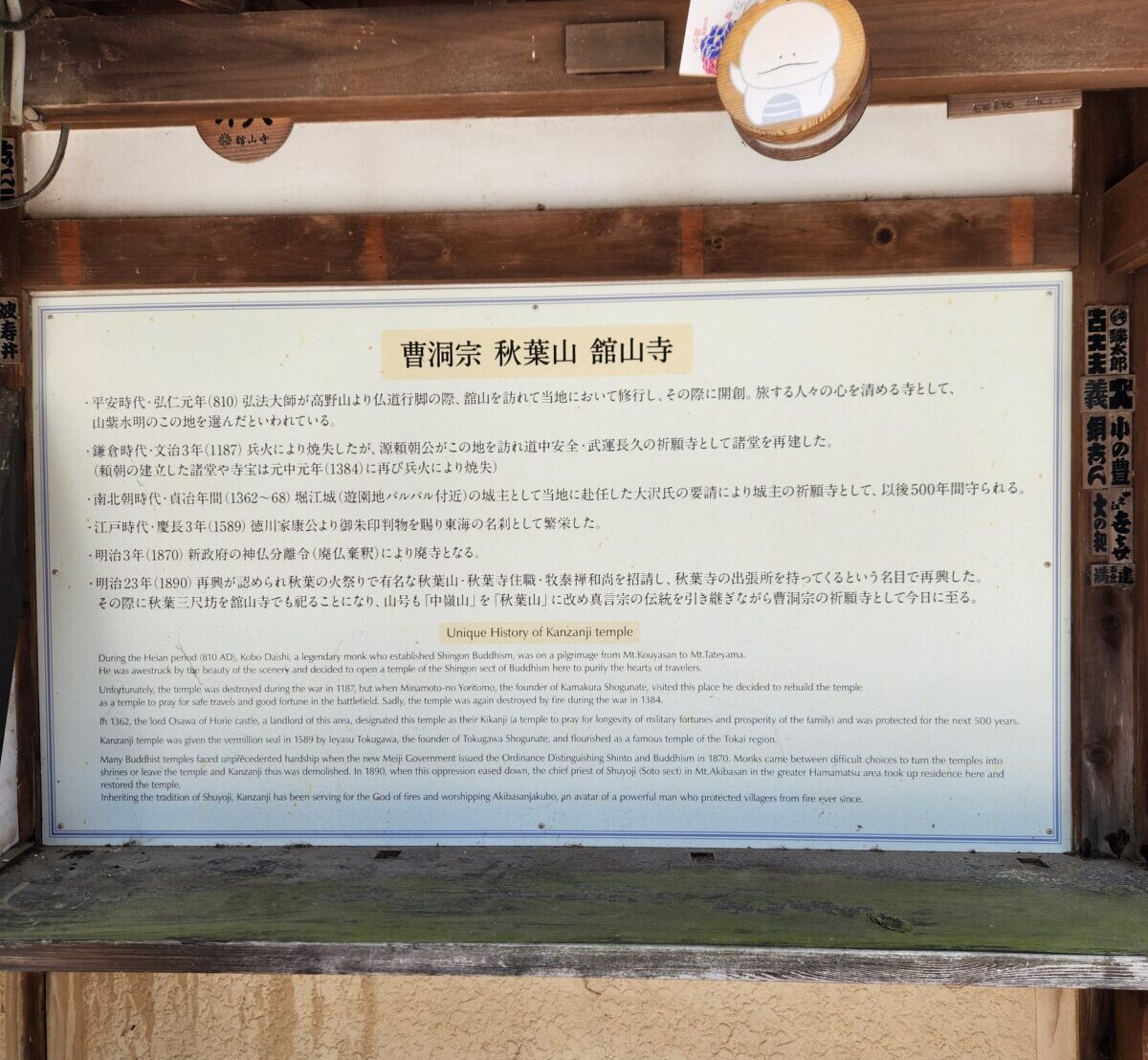
It is home to notable highlights such as the Matchmaking Jizo statue, the Ana Daishi known for prayers for eye health, and Kannon statues.
Current Main Hall
The current main hall was rebuilt in 1967.
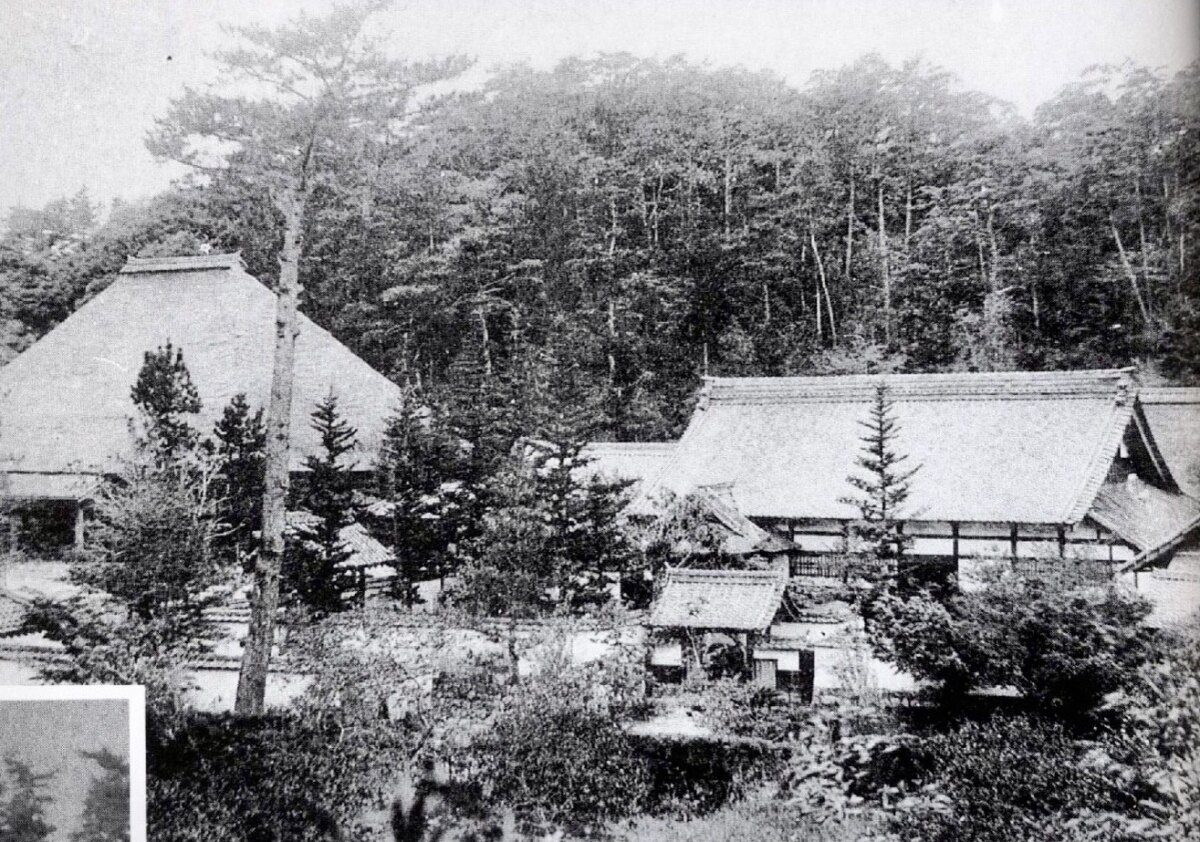
Photo provided by Kanzanji Temple: Kanzanji Temple in the Showa era
Guide to Highlights of Kanzanji Temple
Mt. Tateyama, where Kanzanji Temple is located, faces Uchiura Bay in the northeastern part of Lake Hamana. It is a small inland “island-like” mountain surrounded by water and greenery, with an elevation of about 50 meters and a circumference of about 1,400 meters.
In this guide, we introduce four highlights you should not miss when visiting Kanzanji Temple.
Highlight 1: Kanzanji Matchmaking Jizo
On the west side of the main hall, there is a small hall dedicated to the “Matchmaking Jizo.” It has been worshipped by many people for over 120 years since the Meiji period.
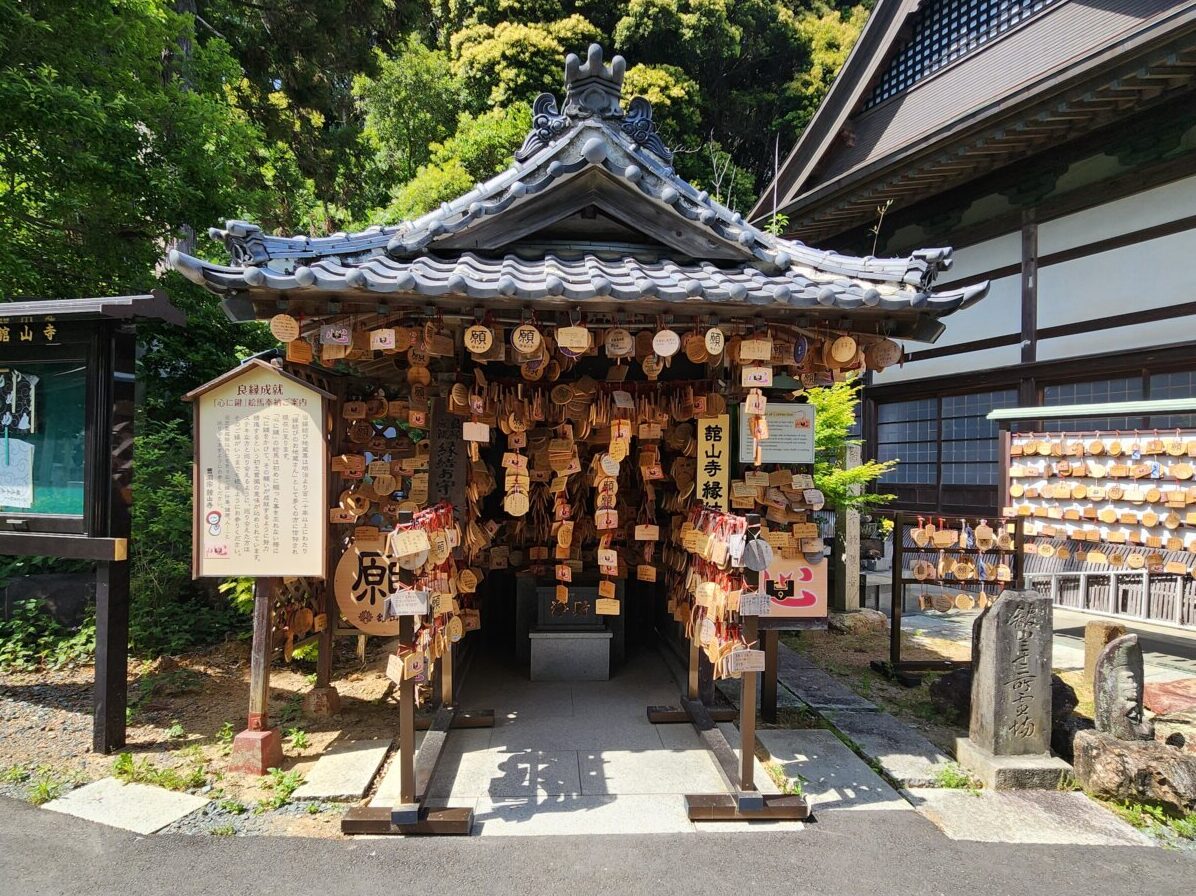
The matchmaking ema votive plaques feature a design of a “lock on the heart.” It is said to symbolize the idea of not forgetting one’s first wish, “locking it in one’s heart,” and continuing to make efforts and devote oneself so that the wish will come true.
Highlight 2: Kanzanji Ana Daishi
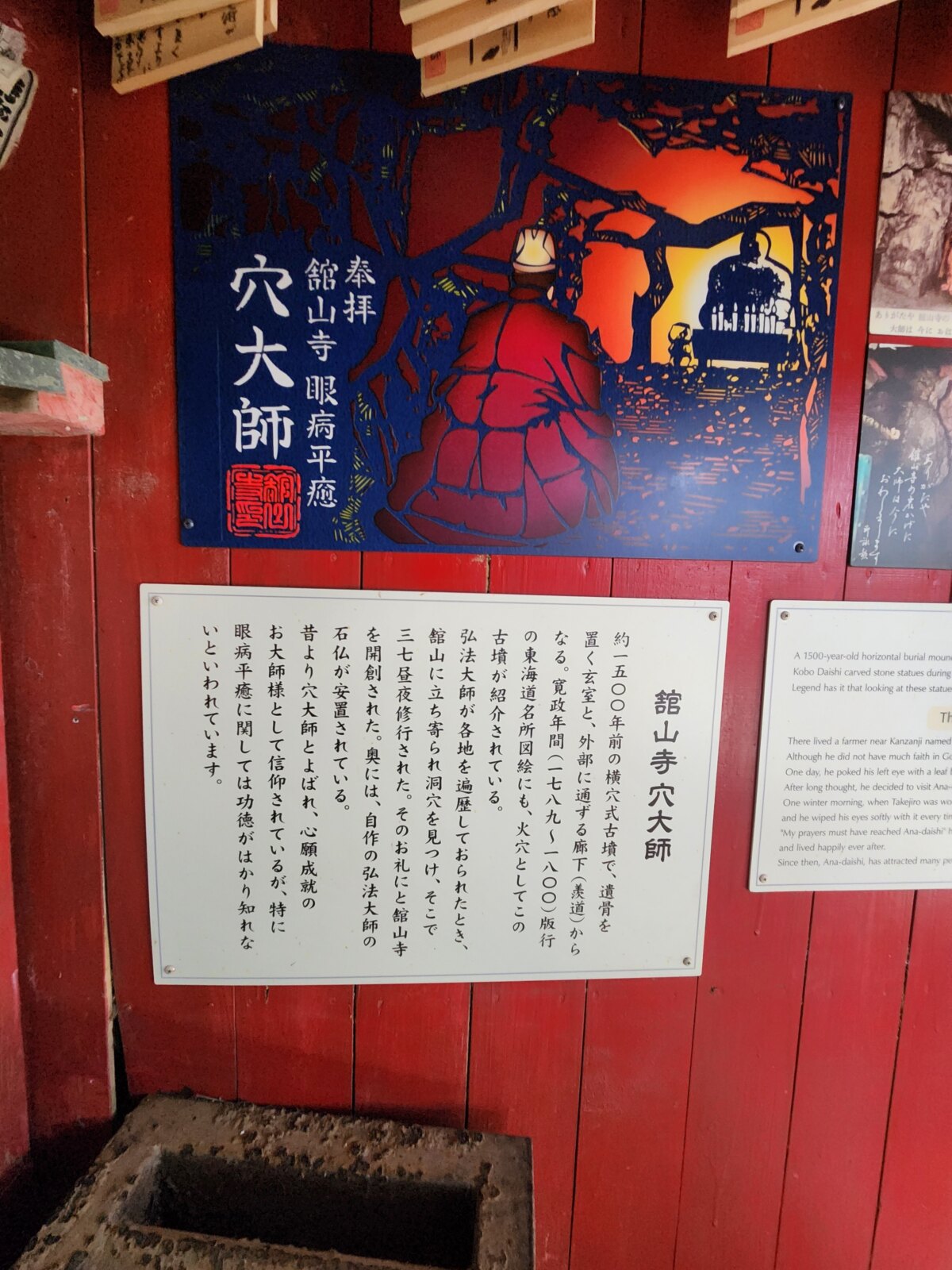
Climbing the stairs on the west side of the main hall and heading to the right, you will come across Kanzanji Ana Daishi.
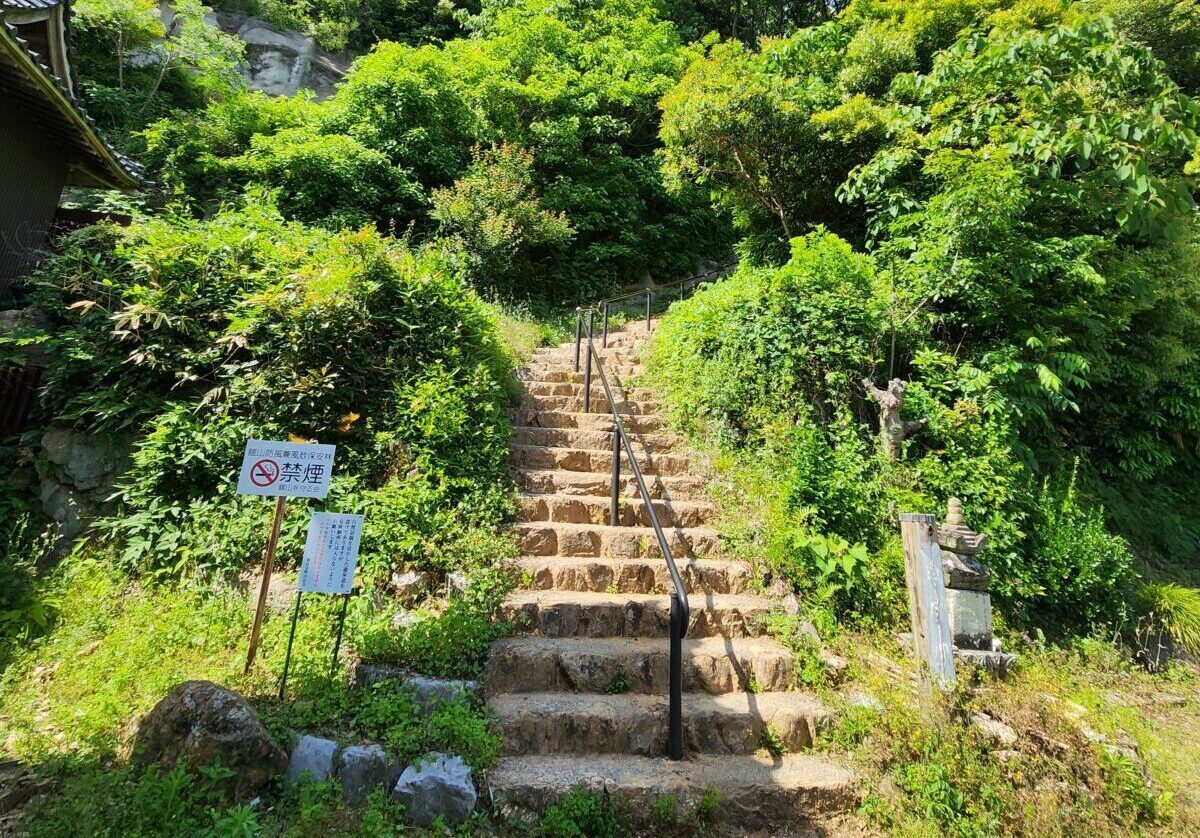
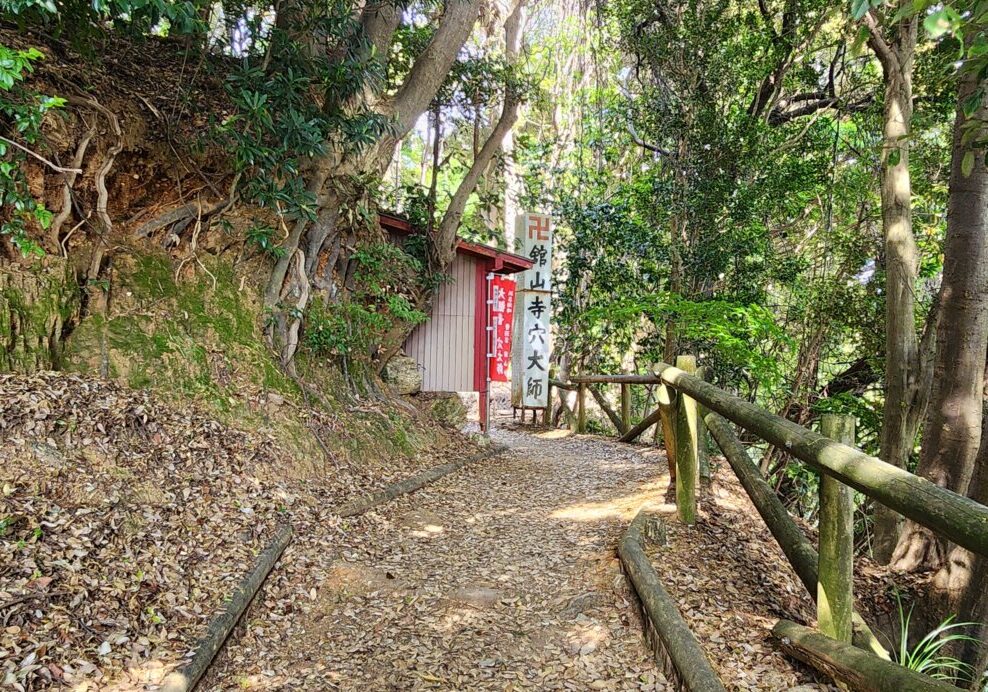
“Kanzanji Ana Daishi” is a horizontal cave tomb (Yokoketsushiki Kofun) that is believed to be about 1,500 years old.
It is said that when Kōbō Daishi founded Kanzanji Temple, he stayed in this cave and practiced ascetic training for 37 days and nights, and it is regarded as a sacred cave.
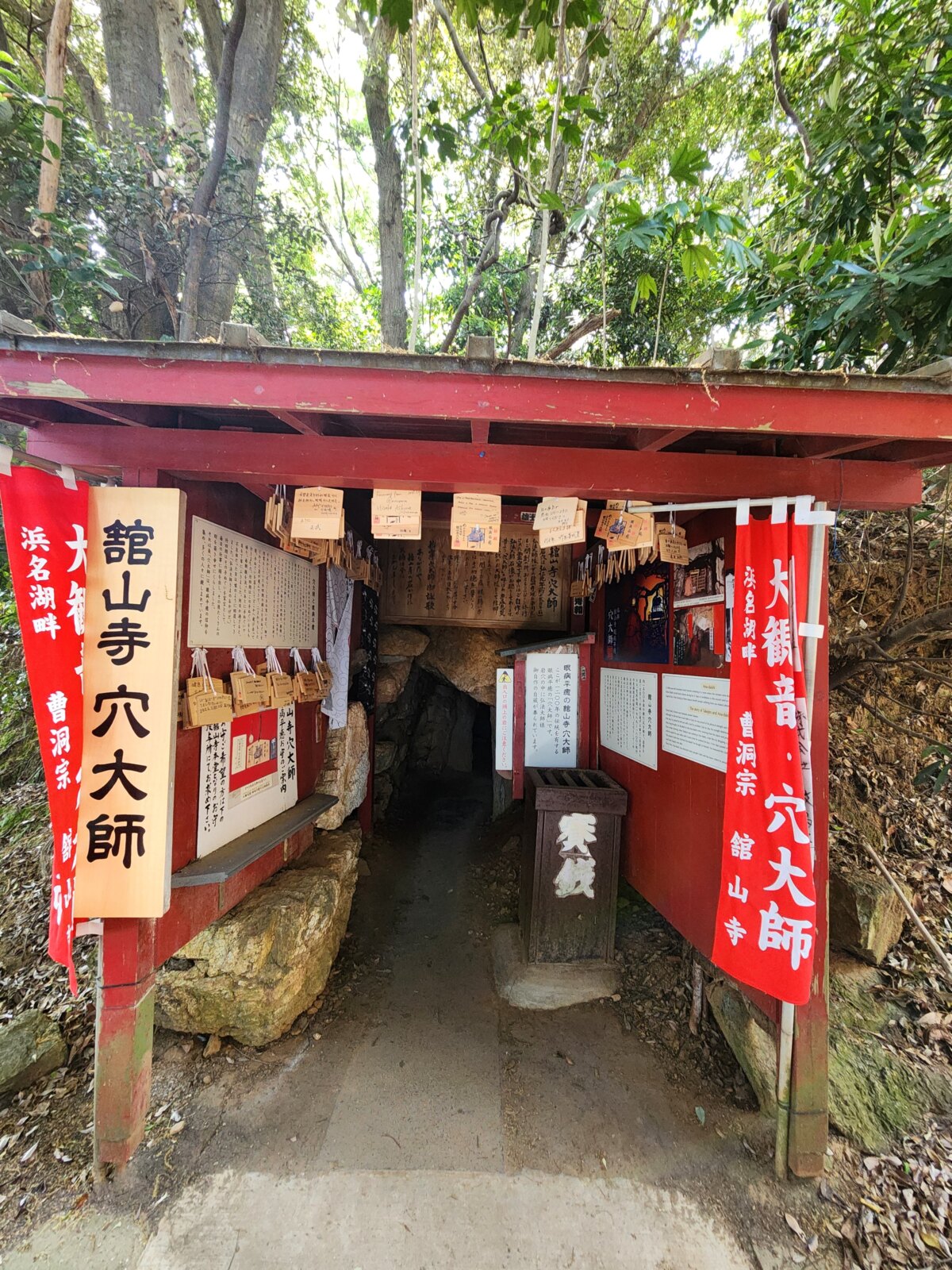
Inside the cave, a stone statue of Kōbō Daishi is enshrined.
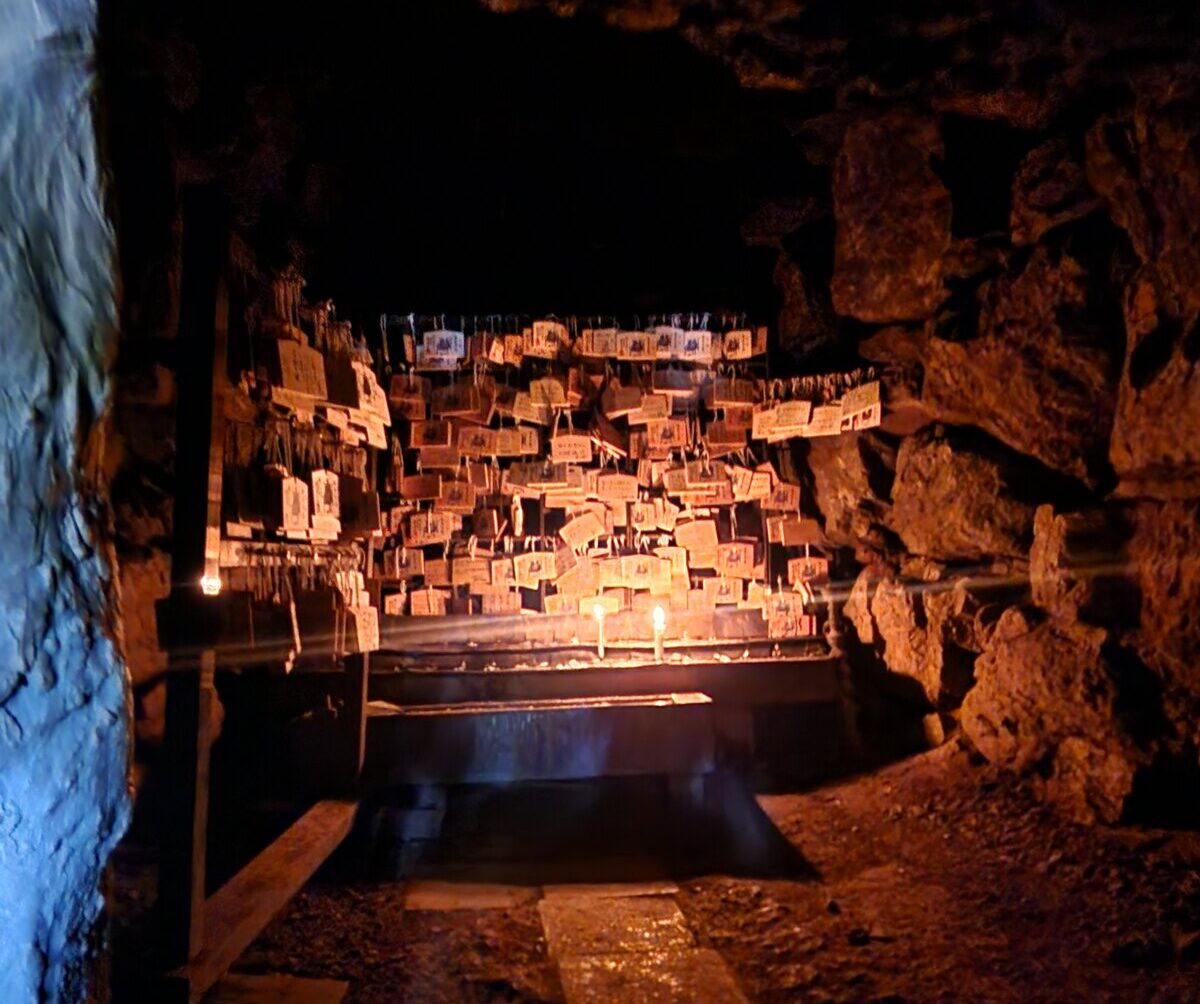
Since ancient times, it has been known as “Ana Daishi” and has been worshipped for good health and the fulfillment of wishes.
In particular, it is believed to be beneficial for eye-related ailments, and many visitors come to pray to it as the “Daishi of the Eyes.”
Highlight 3: Kanzanji Seikannon Bosatsu
About 100 meters from Ana Daishi stands the Kanzanji Seikannon Bosatsu statue.
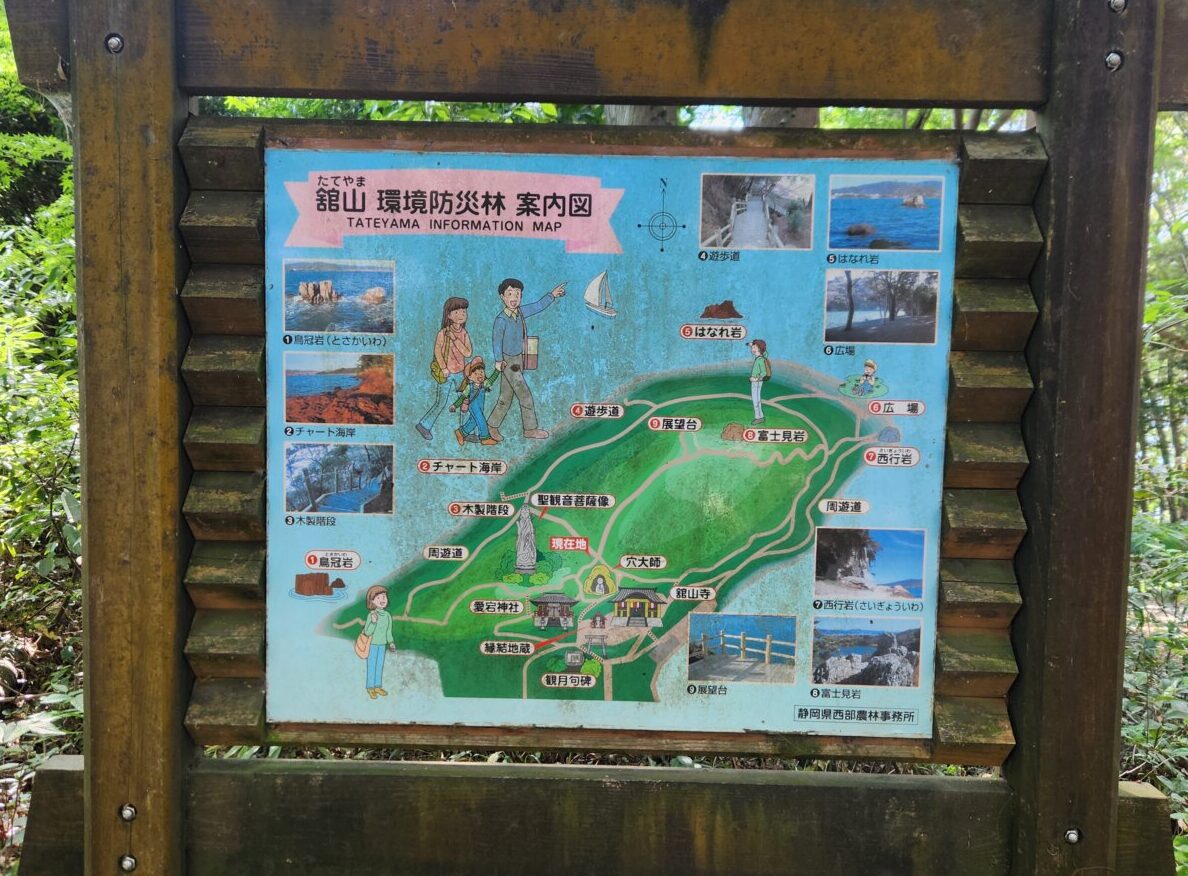
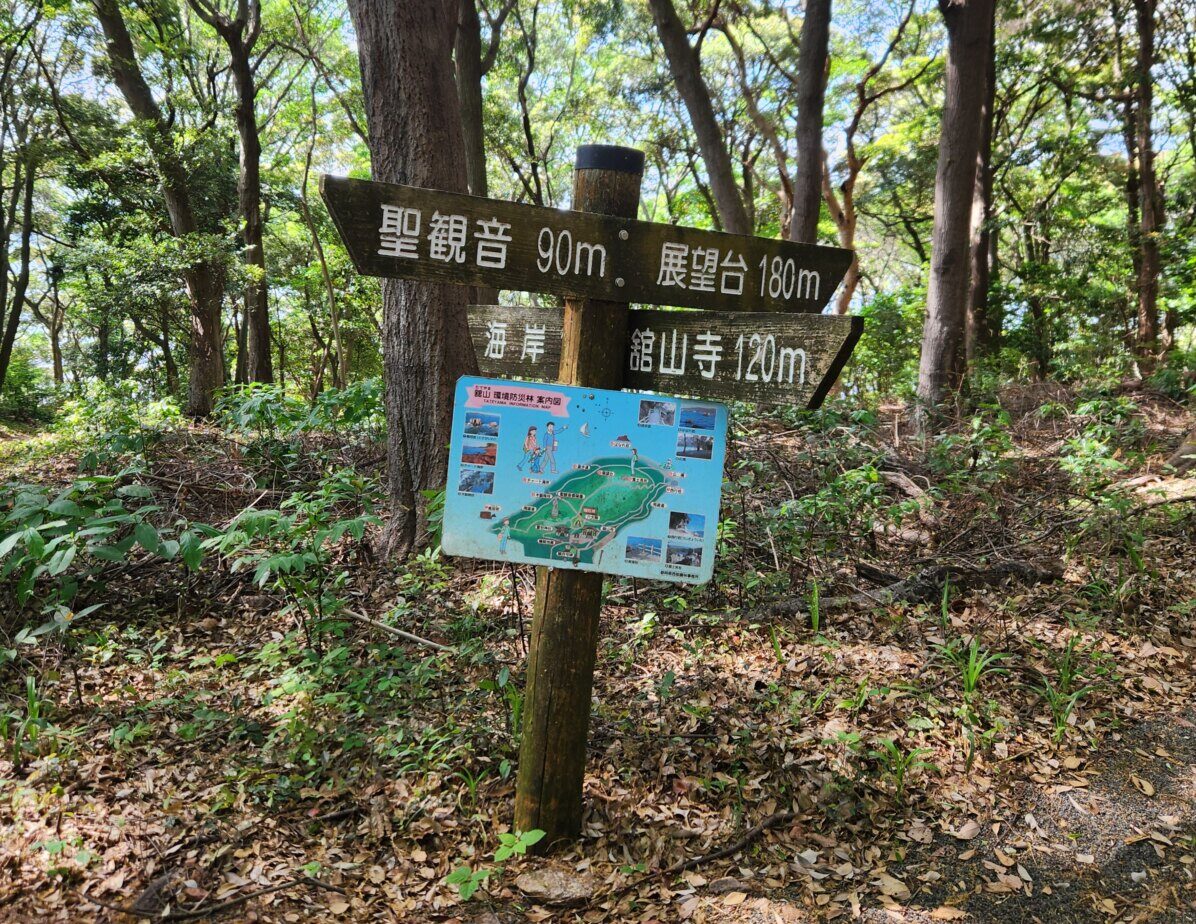
Signboards are placed along the approach, so be sure to check your location as you walk.
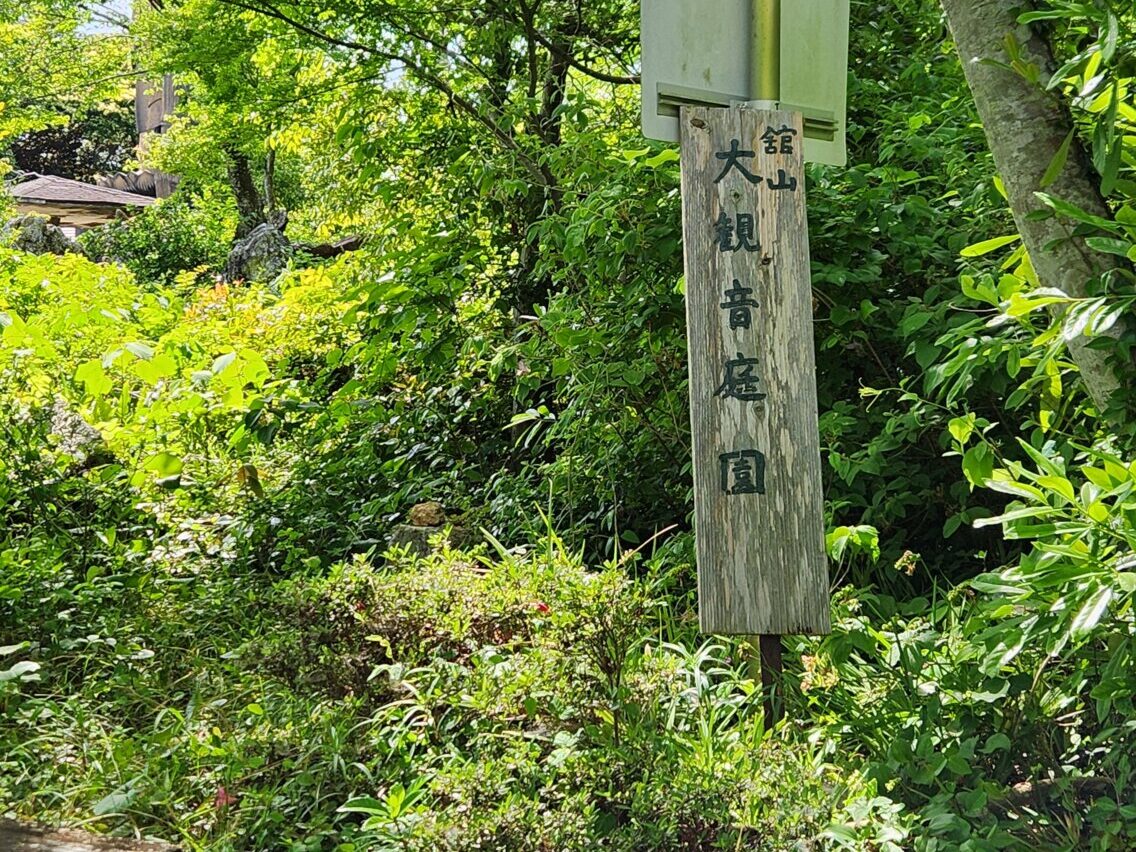
After passing the sign for Daikannon Garden, the statue of Kanzanji Seikannon Bosatsu will come into view.
The Kanzanji Seikannon Bosatsu statue was erected in 1935 at the summit of Mt. Tateyama, which overlooks Lake Hamana.
The 16-meter-tall Kannon statue is also known as the “Beautiful Kannon.”
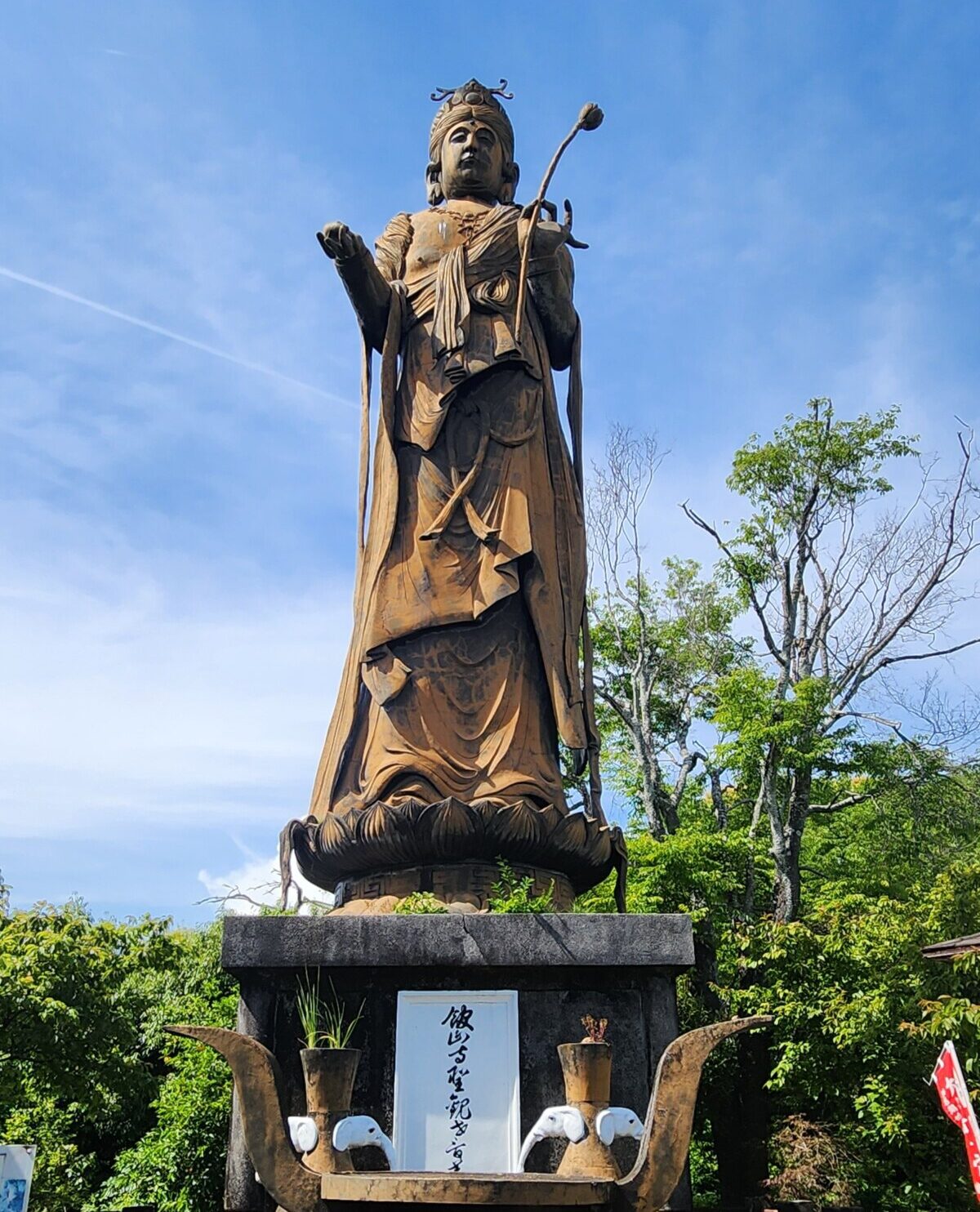
It is believed to bring relief from all kinds of hardships, and is worshipped as a guardian for safety prayers.
Some parts of the walking paths within Mt. Tateyama are not fully maintained, so comfortable walking shoes are recommended.
Visitors can enjoy a leisurely stroll while taking photos, and it takes about one hour to explore the area.
Highlight 4: Over 100 Types of Omamori (Good Luck Charms)
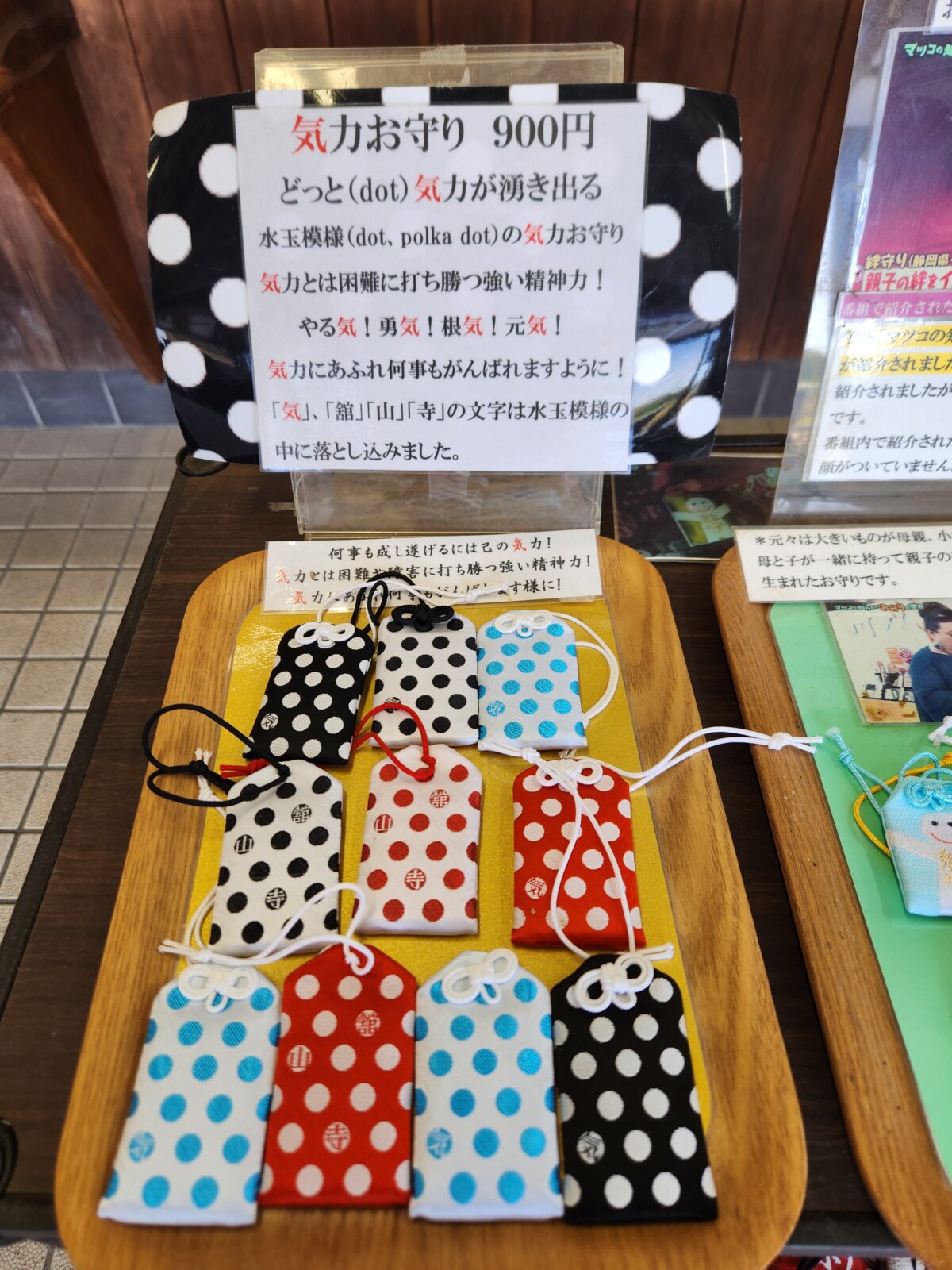
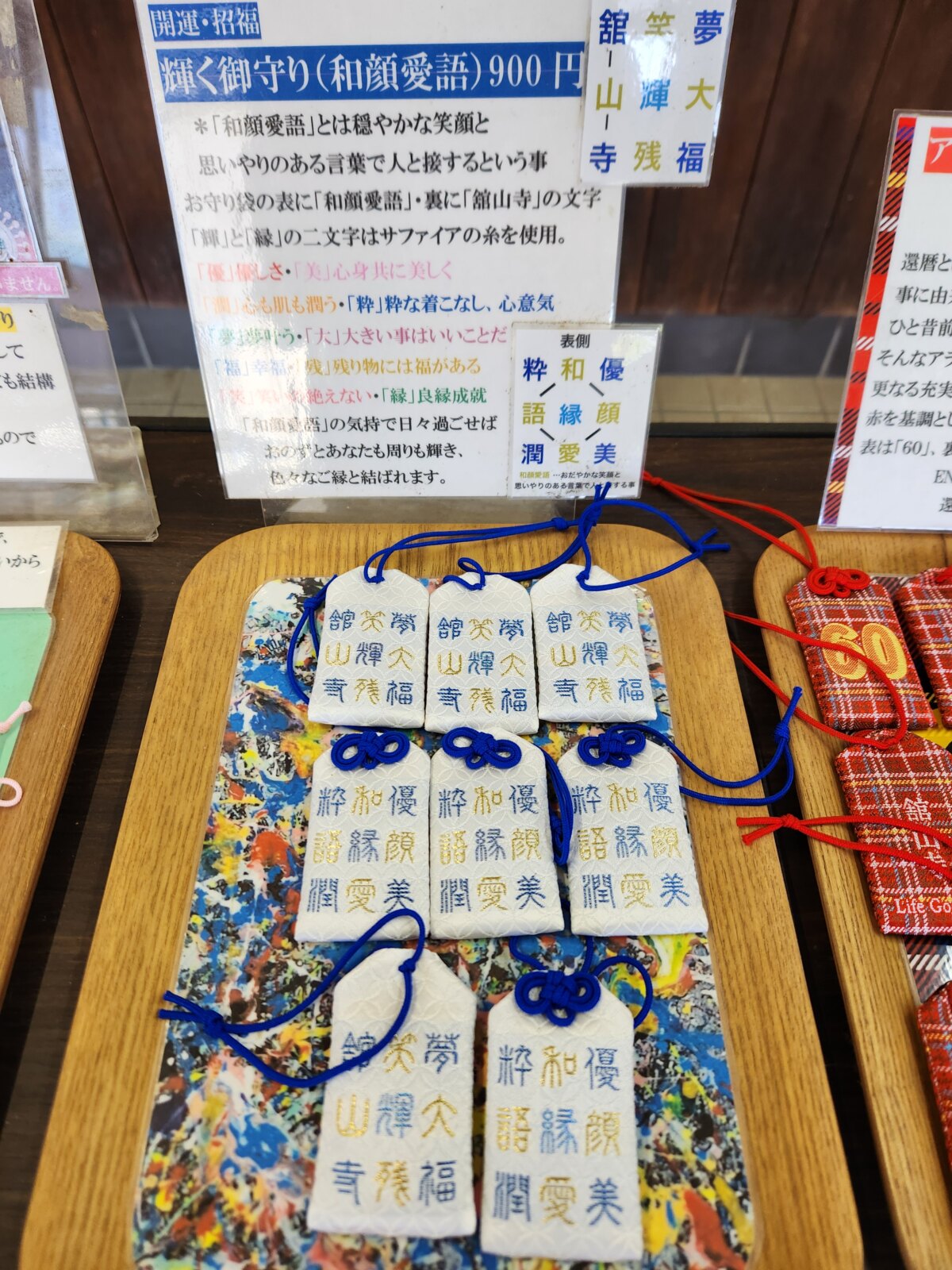
Kanzanji Temple offers more than 100 different types of omamori (good luck charms) at its Fudasho (pilgrimage site).
When asked why the number of charms has grown so much, the head priest explained that they have naturally increased in response to visitors’ requests, such as “It would be nice to have a charm like this,” and the collection gradually expanded over time.
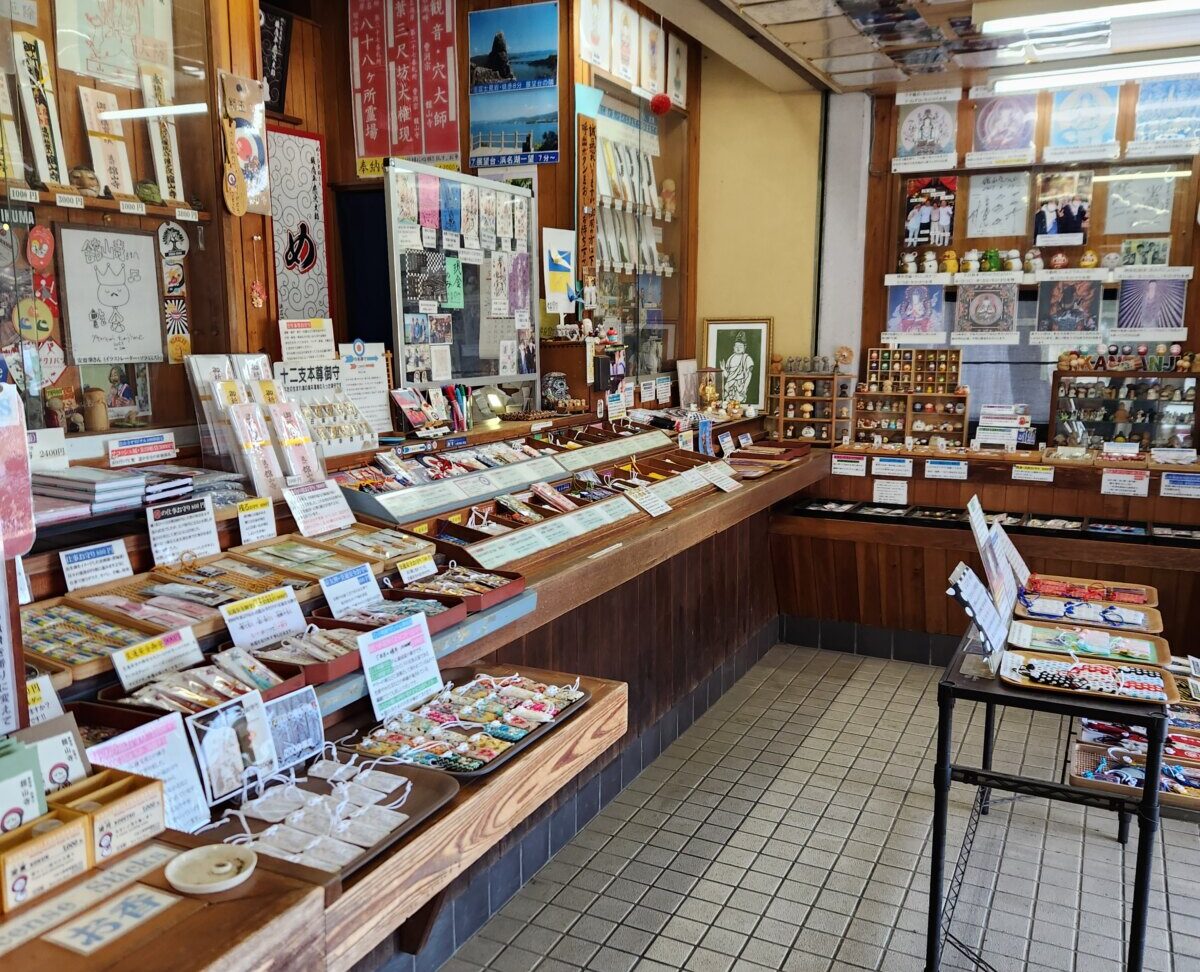
With the head priest’s belief that “if we are going to make them, they should be of good quality,” the temple offers omamori made with Nishijin textiles from Kyoto, charms available in limited quantities, and a wide variety of uniquely colored designs.
These charms are lined up in abundance, offering a sense of comfort just by holding or wearing them.
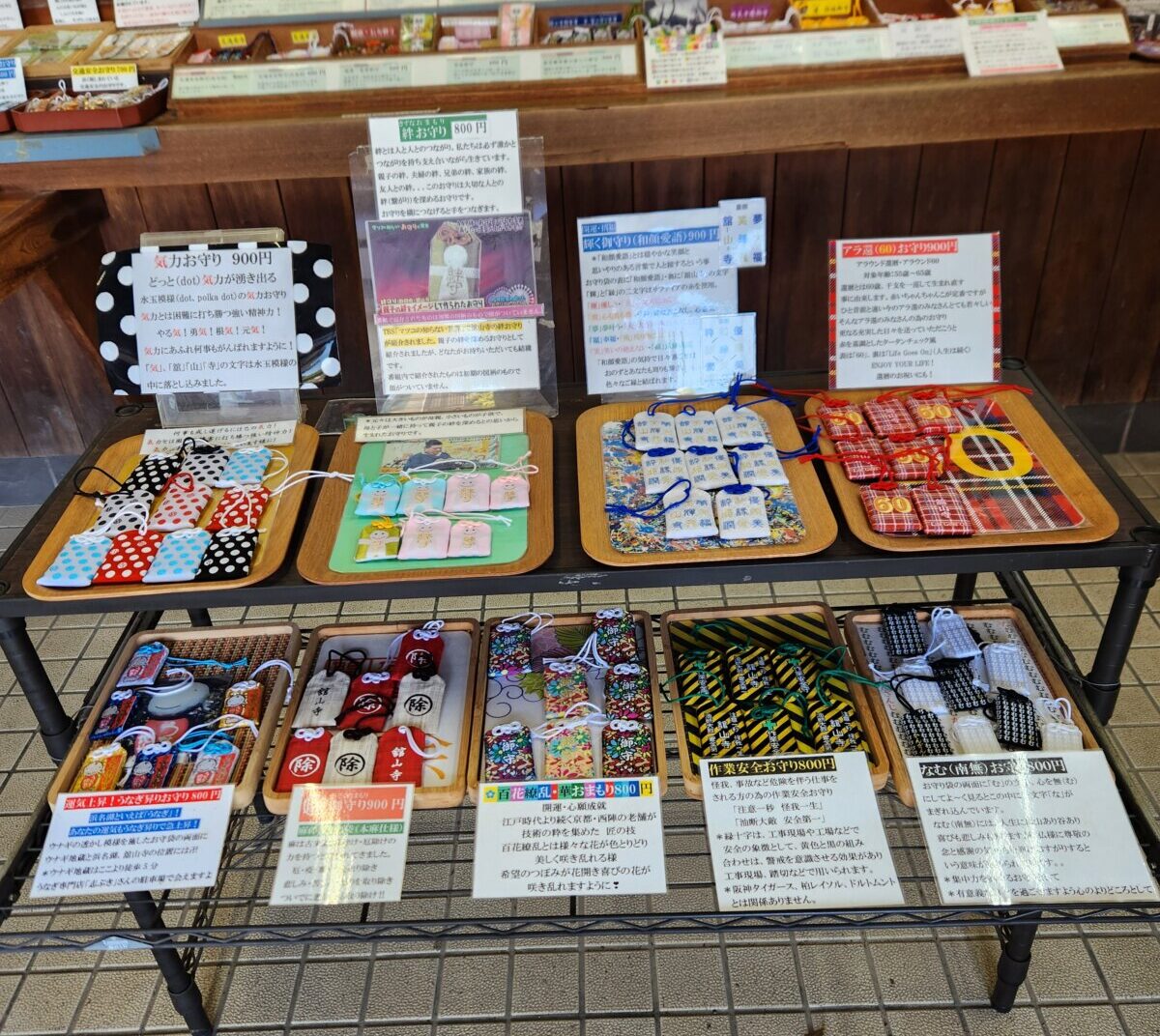
Each omamori also comes with easy-to-understand explanations displayed on POP signs, making it simple to find one that suits your needs.
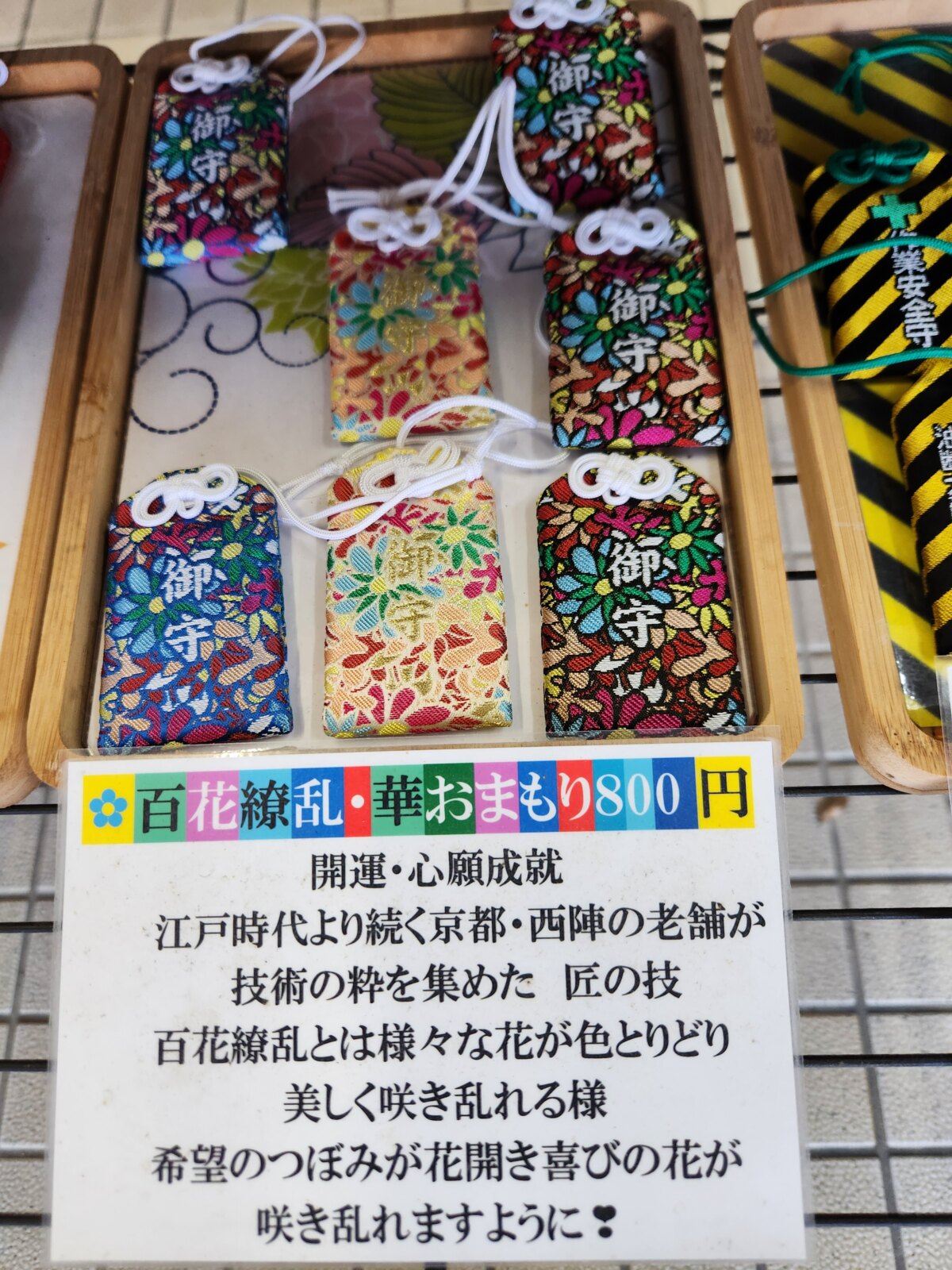
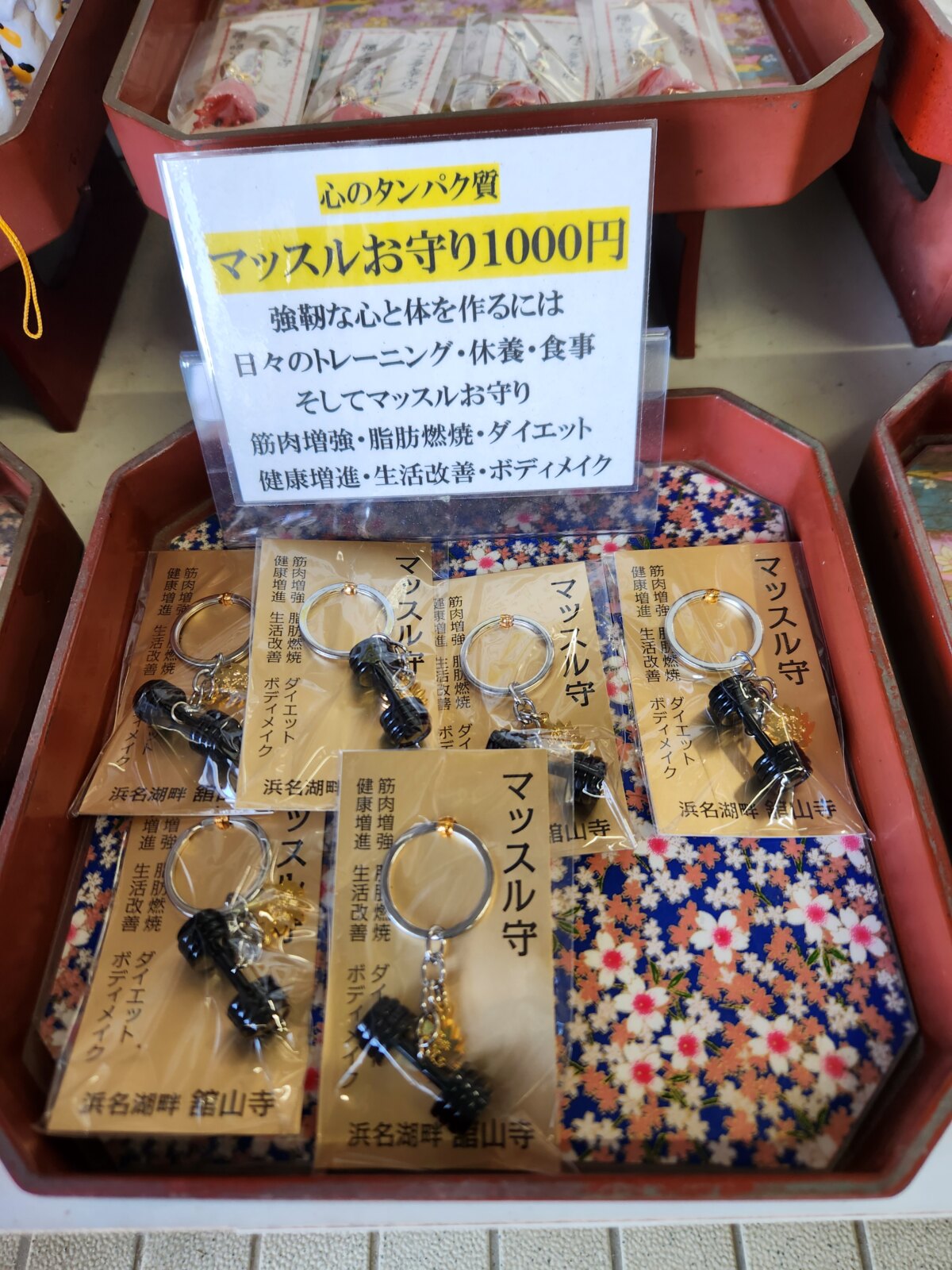
For those interested in body training, why not try the “Muscle Omamori”?
It is generally said that omamori (good luck charms) are effective for about one year from the date they are received.
However, according to the head priest of Kanzanji Temple, they do not necessarily need to be returned after one year—they can be kept for five, ten, or even twenty years.
They may be returned to the temple when you feel their role has been fulfilled. As long as they are properly returned to an appropriate place, there is no strict time limit on how long they can be kept.
The priest also shared that rather than forcing oneself to let go simply because a certain period has passed, it is important to value one’s own feelings.
In addition to the four highlights introduced here, Kanzanji Temple has many other attractions, so we recommend referring to the Kanzanji guide map when you visit.


Kanzanji Temple Grounds Guide
Restrooms: Available (to the right of the stairs)
Rest area: Available
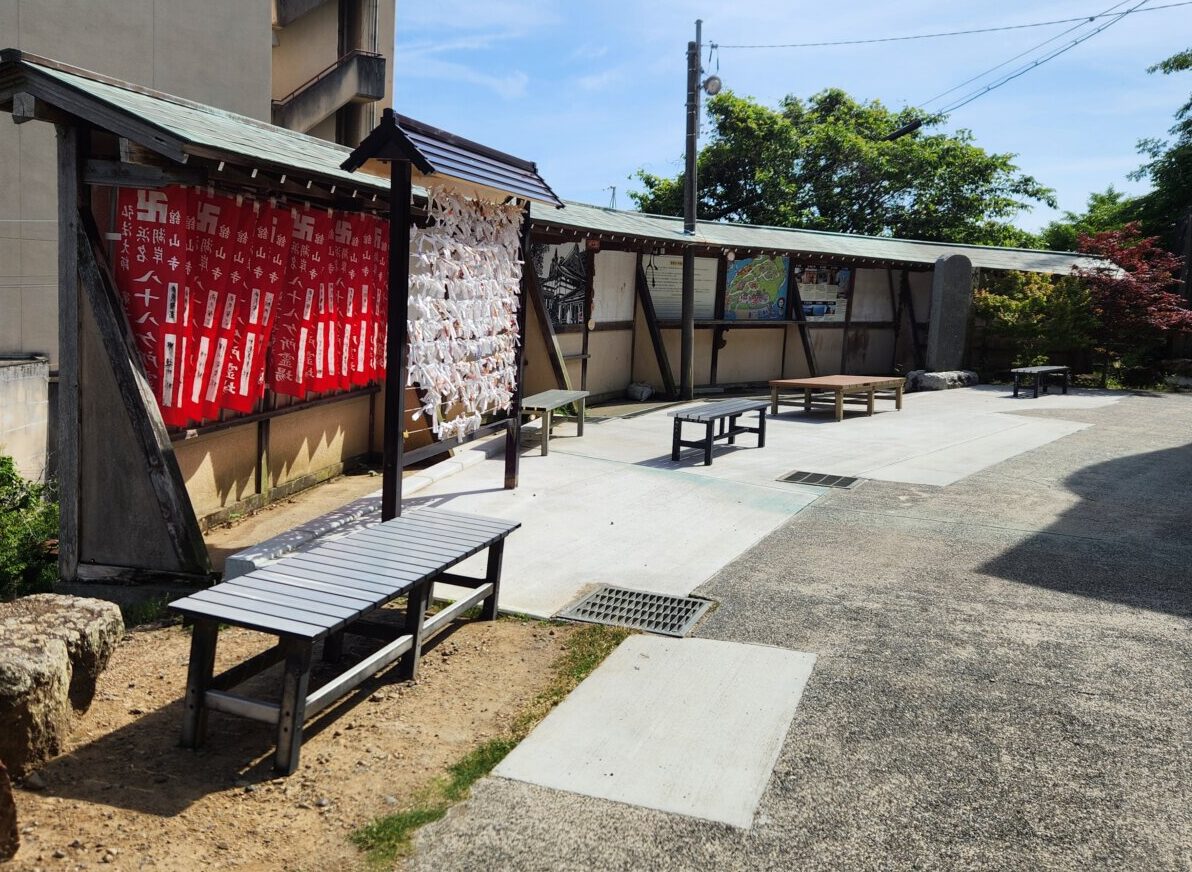
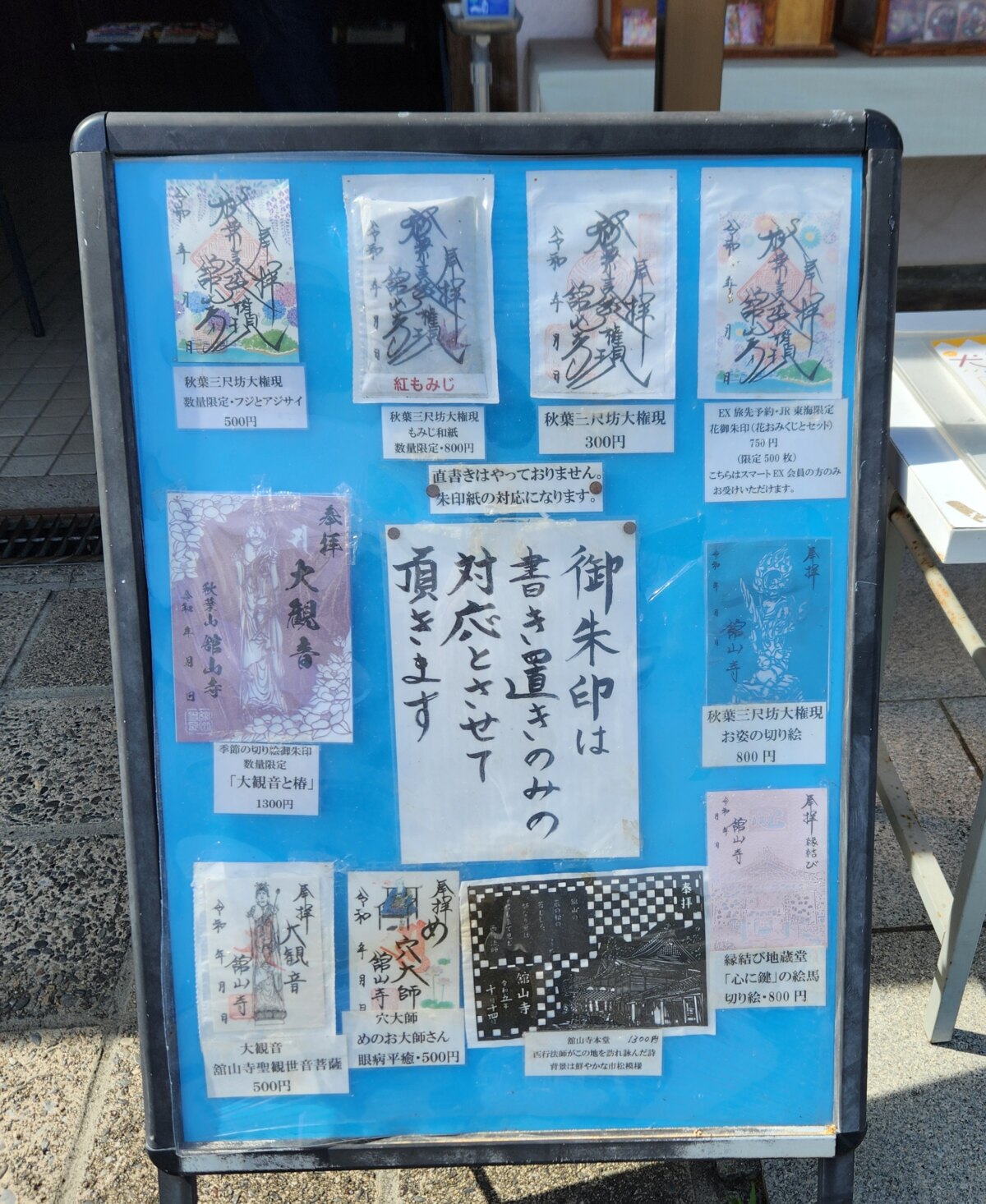
Fudasho: Available
Goshuin (temple stamps): Available
Crowds Information
The temple can be crowded during the New Year holiday period.
Kanzanji Temple Basic Information
Address: 2231 Kanzanji-cho, Chuo-ku, Hamamatsu City
TEL: 053-487-0107
Visiting Hours: 8:00 AM – 5:30 PM
Closed Days: None
Official Website: http://kanzanji.net/
Official Instagram: https://www.instagram.com/kanzanji_official/
Access
By Car:
About 5 minutes from Kanzanji Smart Interchange on the Tomei Expressway(ETC required)
About 15 minutes from Hamamatsu Nishi Interchange on the Tomei Expressway
By Bus: About 45 minutes from Hamamatsu Station Bus Terminal by Entetsu Bus, get off at “Kanzanji Onsen” and walk about 5 minutes
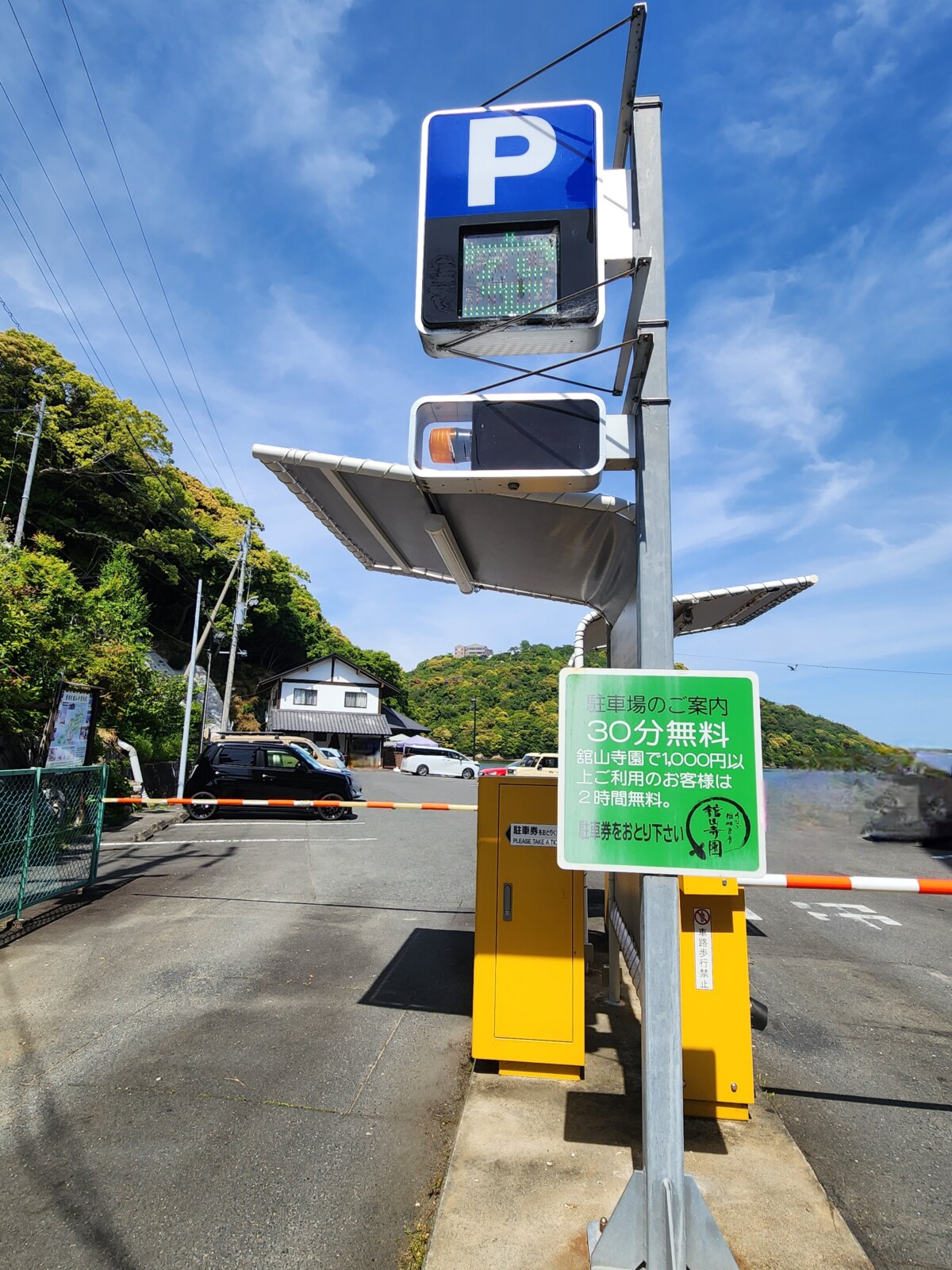
Parking: Free for up to 30 minutes
After 30 minutes, parking fees apply (300 yen for up to 1 hour, then 100 yen every 30 minutes thereafter)
Sightseeing Spots Around Kanzanji
The area around Kanzanji, centered on Kanzanji Onsen, is one of Hamamatsu’s most popular sightseeing destinations.
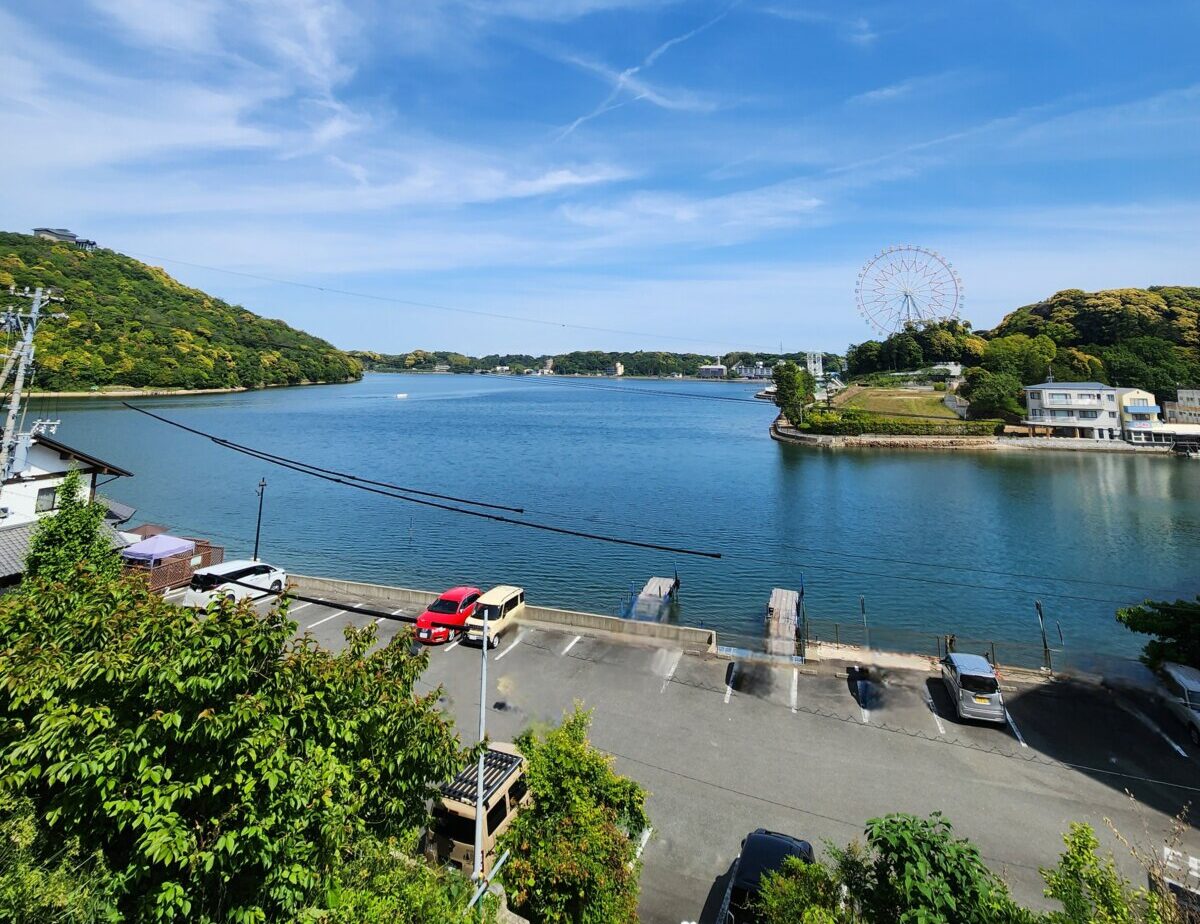
Recommended Nearby Attractions
・Hamanako Pal Pal
・Hamanako Orgel Museum
・Kanzanji Ropeway
・Hamamatsu Zoo
・Hamamatsu Flower Park
We hope you will also enjoy exploring the nearby attractions during your visit.
A Message from Chief Priest Mr. Tachi of Kanzanji Temple
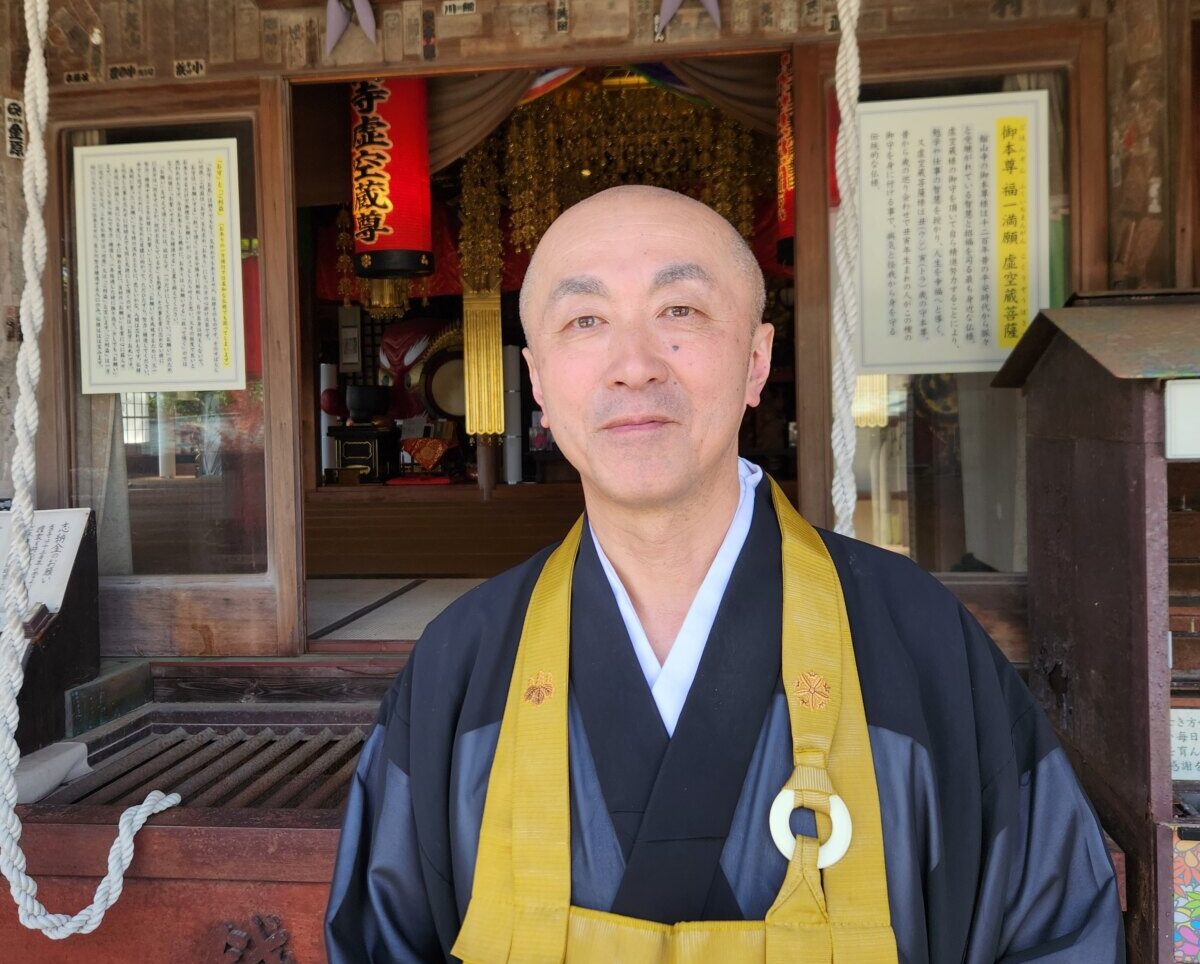
Kanzanji Temple, located on the scenic Mt. Tateyama, is a temple that values human connections and encounters.
We hope you enjoy your visit at your own pace and relax while taking in the beautiful views from the temple grounds.
Located at the end of Monzen Street in the heart of the Kanzanji sightseeing area, the temple is an easy place to stop by during your visit.
While animals are not permitted inside the main hall or the Fudasho, pets are welcome around Mt. Tateyama and in front of the main hall.
While animals are not permitted inside the main hall or the Fudasho, they are welcome around Mt. Tateyama and in front of the main hall.
We also share daily scenes from Kanzanji Temple and information about events on Instagram. We would be delighted if you take a look.
We look forward to welcoming you for a visit.
In this article, we introduced Kanzanji Temple, located in Kanzanji-cho.
It was my first time visiting for an interview, and I was deeply impressed, thinking, “I can’t believe there is a temple built in such a beautiful place in my local area.” The scenery of Lake Hamana and the walks around Mt. Tateyama make this a truly wonderful area centered around Kanzanji Temple.
I also purchased three omamori, and with over 100 different types available, each one was unique and charming, making it very enjoyable to choose.
We hope this article serves as a helpful guide and encourages you to visit Kanzanji Temple and enjoy a relaxing short trip.
Interview cooperation and some photos provided by Kanzanji Temple
*The information in this article is subject to change.