Get to Know Hamamatsu
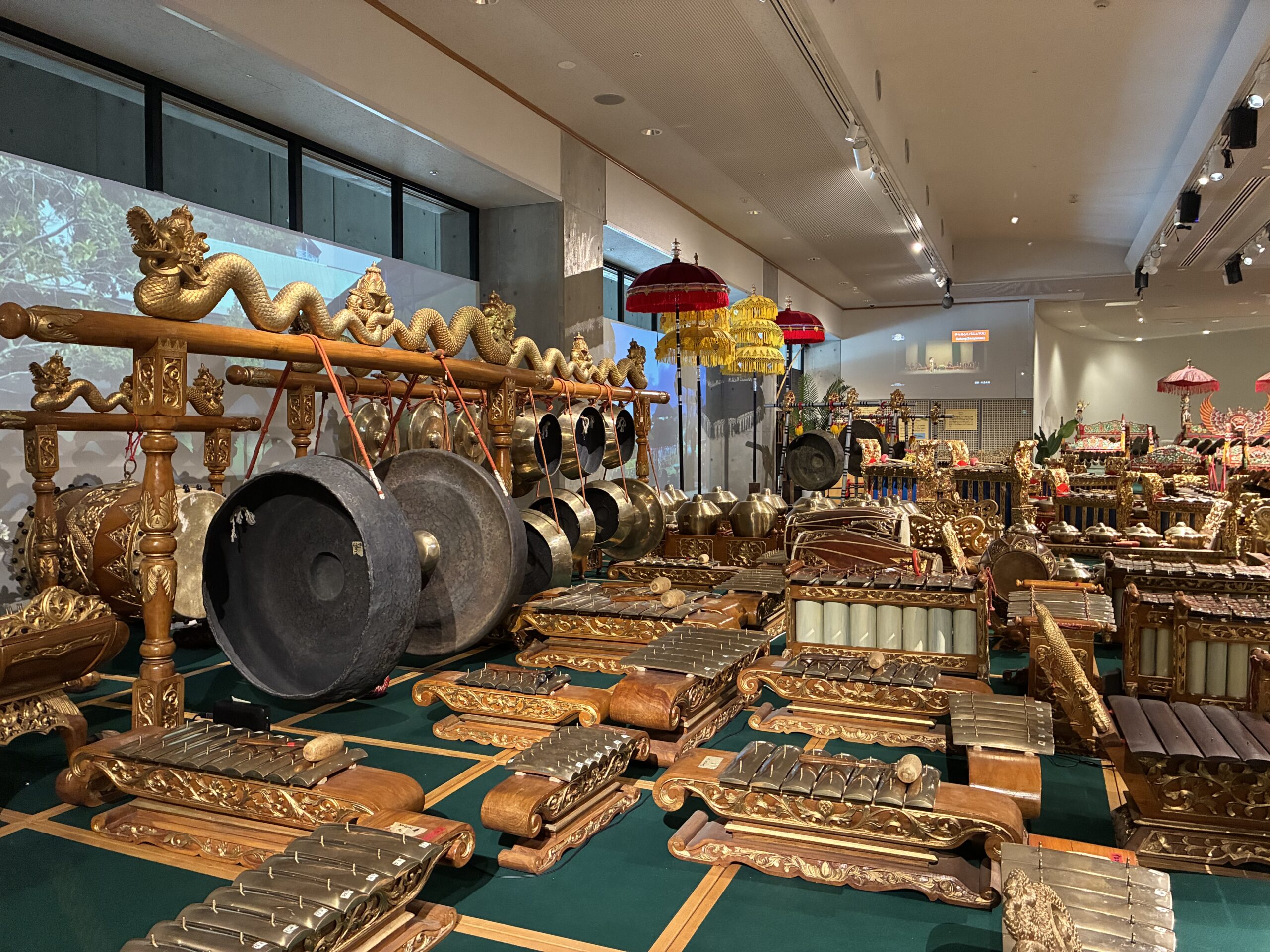

The Hamamatsu Museum of Musical Instruments reopened in July 2026 following renovations.
This article was created on August 20, 2026.
The Hamamatsu Museum of Musical Instruments reopened in July 2026 following renovations.
Based on the concept of “treating the world’s musical instruments and music equally,” the museum showcases a diverse collection of instruments from around the world, including Asia, Oceania, Africa, the Americas, and Europe.
With their elaborate decorations and vibrant colors, many of the instruments are fascinating to look at and will have you wondering, “What kind of sound does this make?”
In this article, we’ll introduce the Hamamatsu Museum of Musical Instruments and highlight what makes it worth a visit.
Highlight 1: Hands-On Experience Room
In the Hands-On Experience Room, you can pick up a variety of musical instruments and play them yourself.
Some of the instruments available to try are made by companies belonging to the Shizuoka Musical Instruments Manufacturers Association.
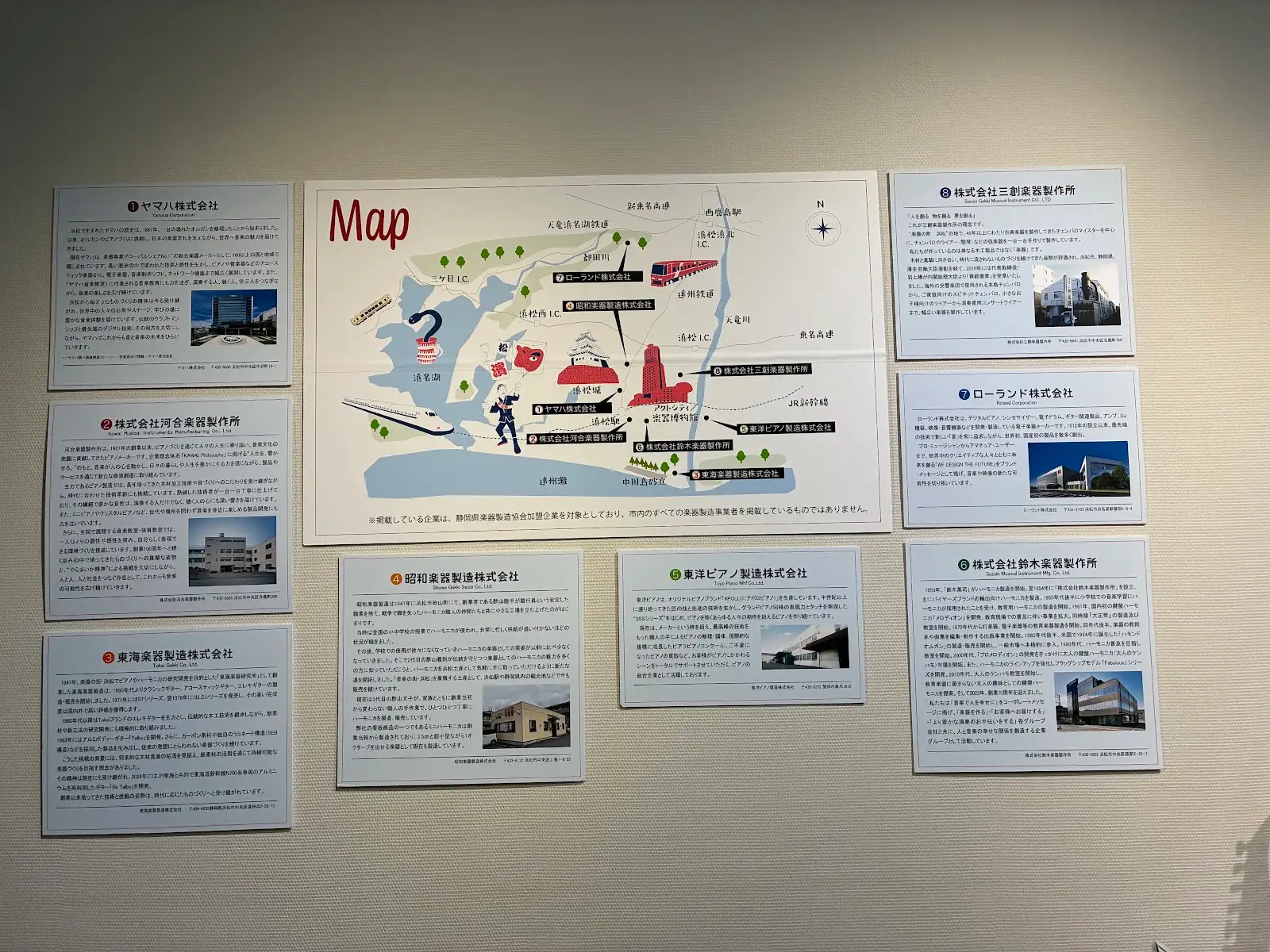
Let’s take a look at some of the instruments you can try 🎹
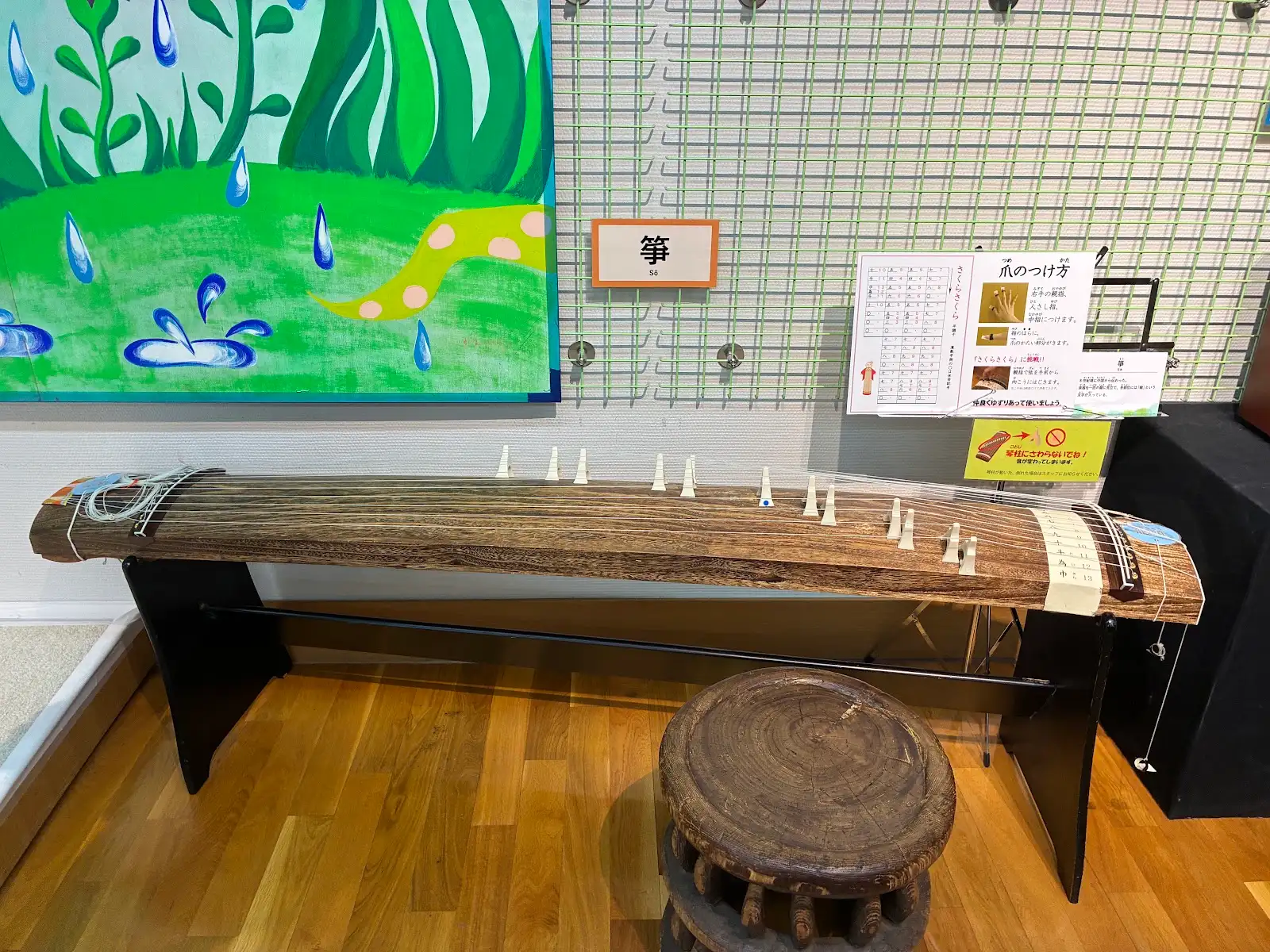
First, there are traditional Japanese instruments such as the shamisen and koto, as well as the morin khuur, a traditional Mongolian instrument.
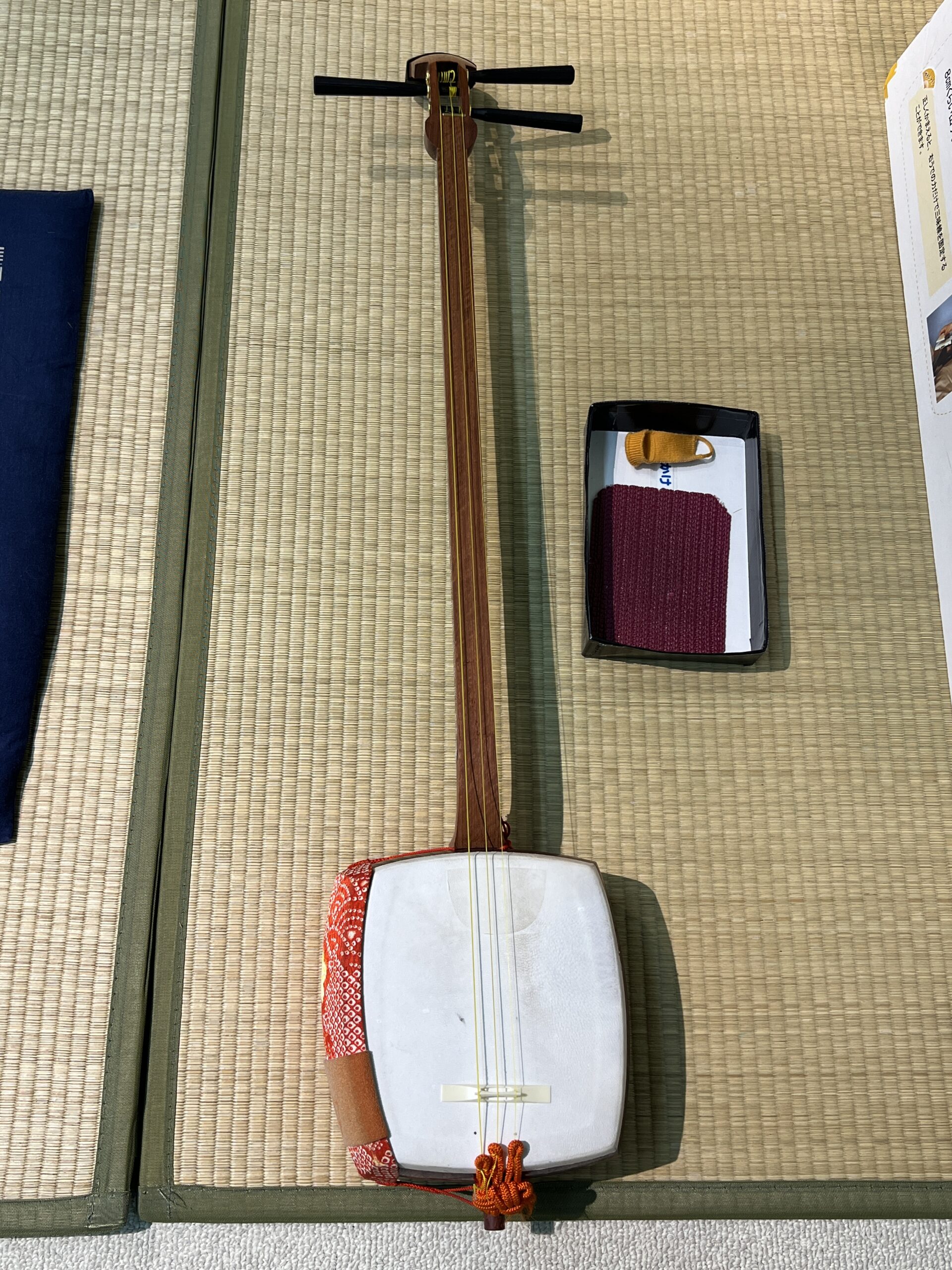
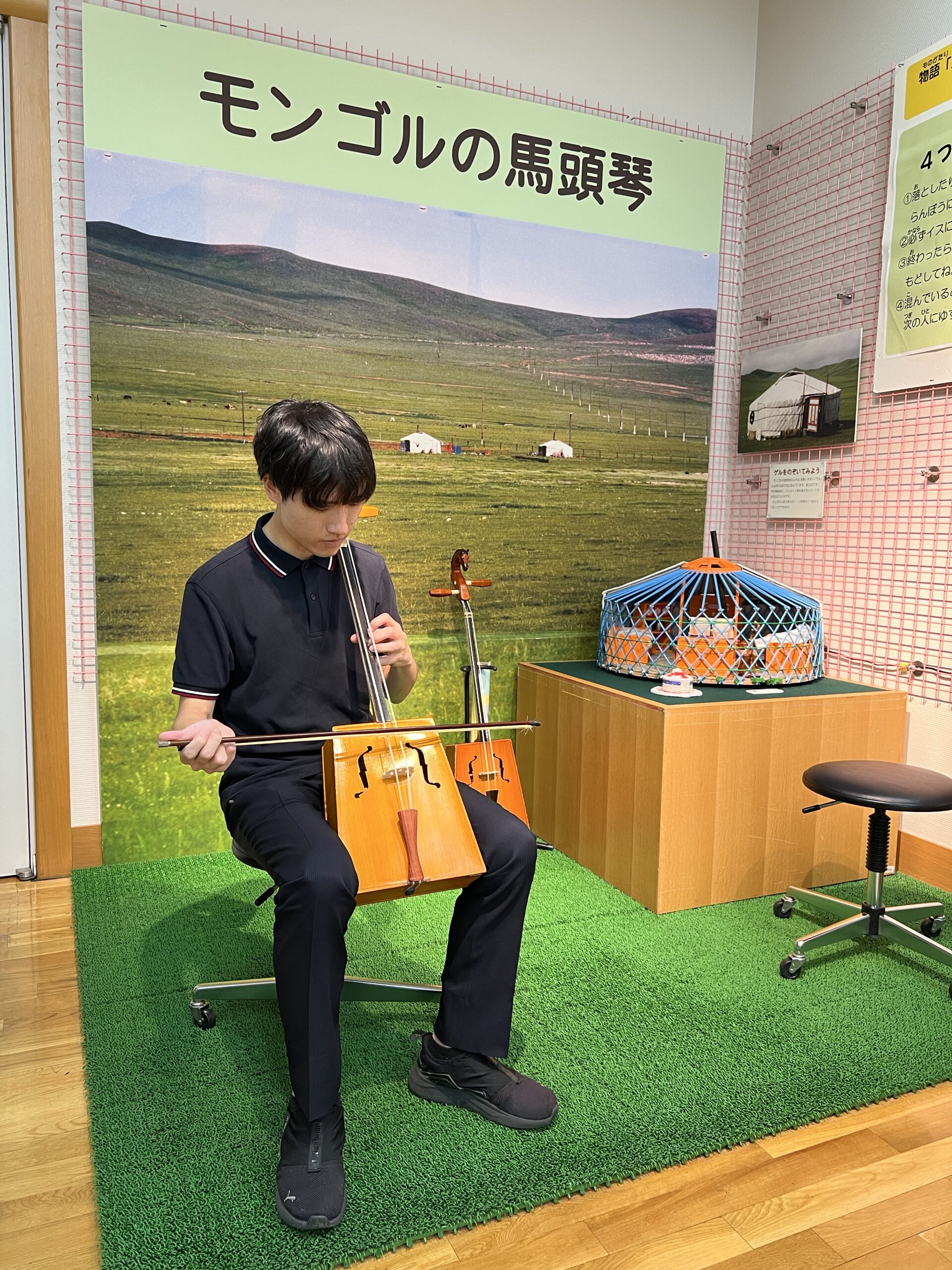
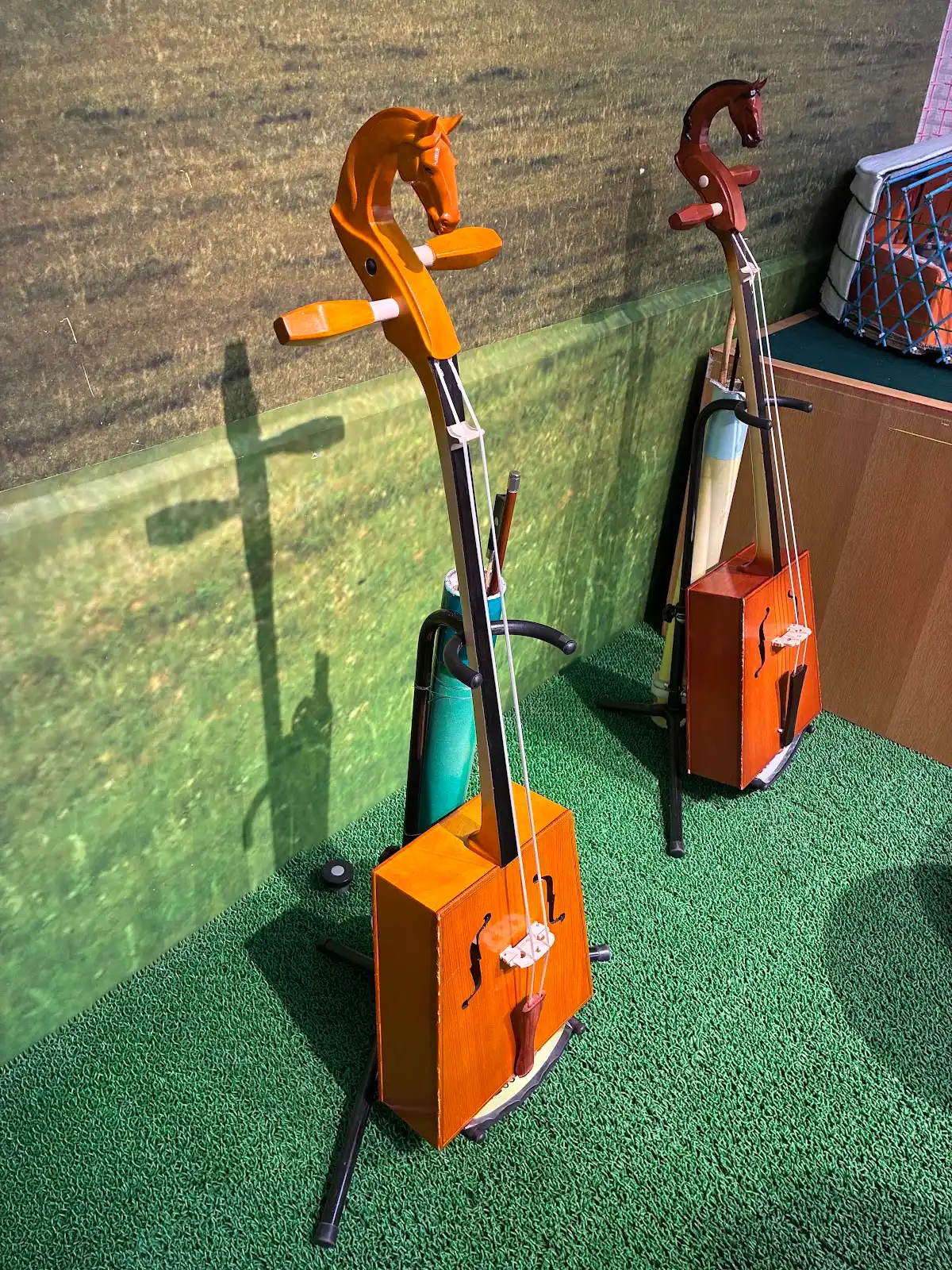
These are instruments you may not often have the chance to play in everyday life. However, instructions on how to play them and simple sheet music are provided, so even beginners can give them a try with confidence.
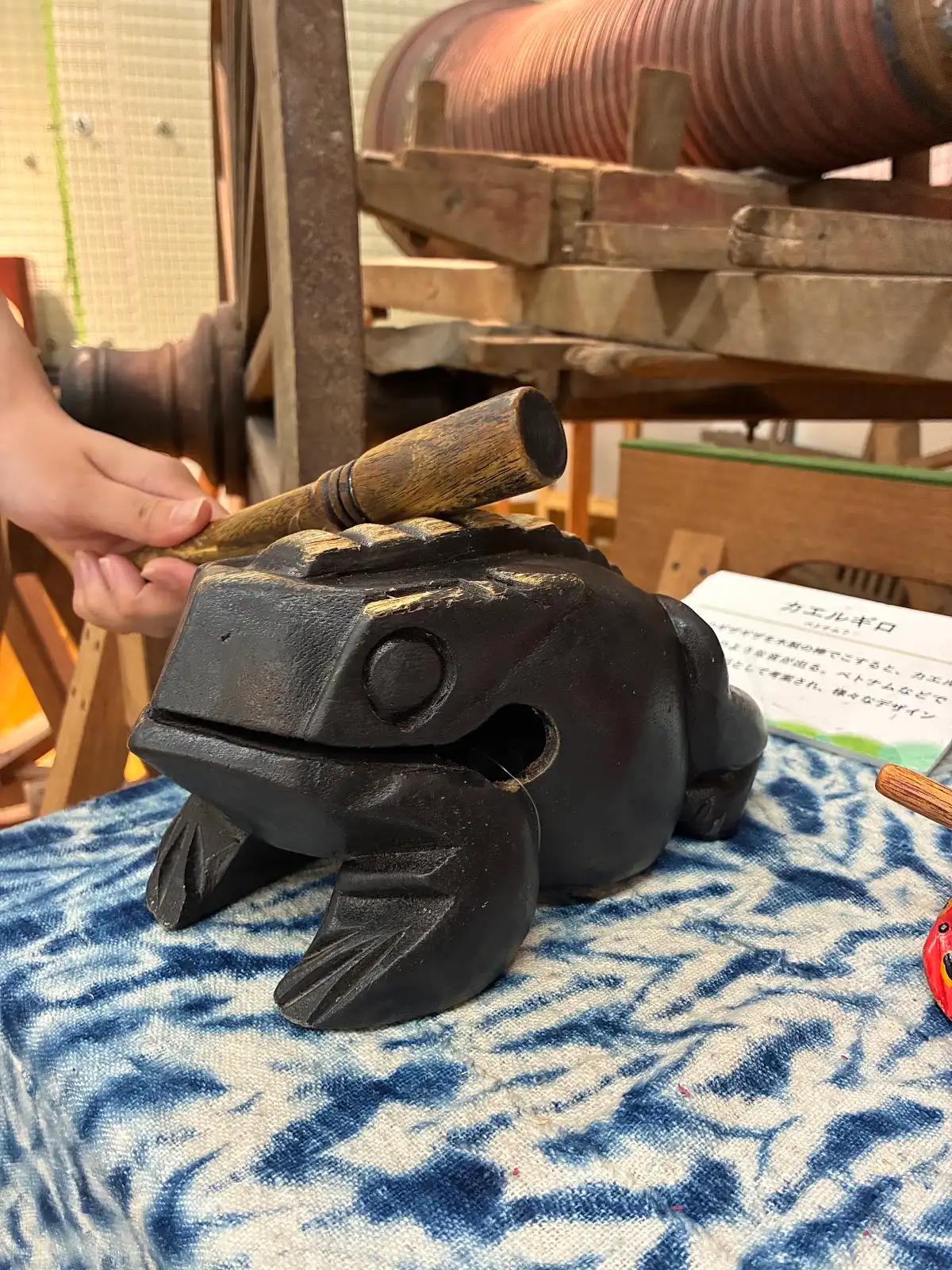
One of the most popular instruments among visitors is the “Frog Guiro.”
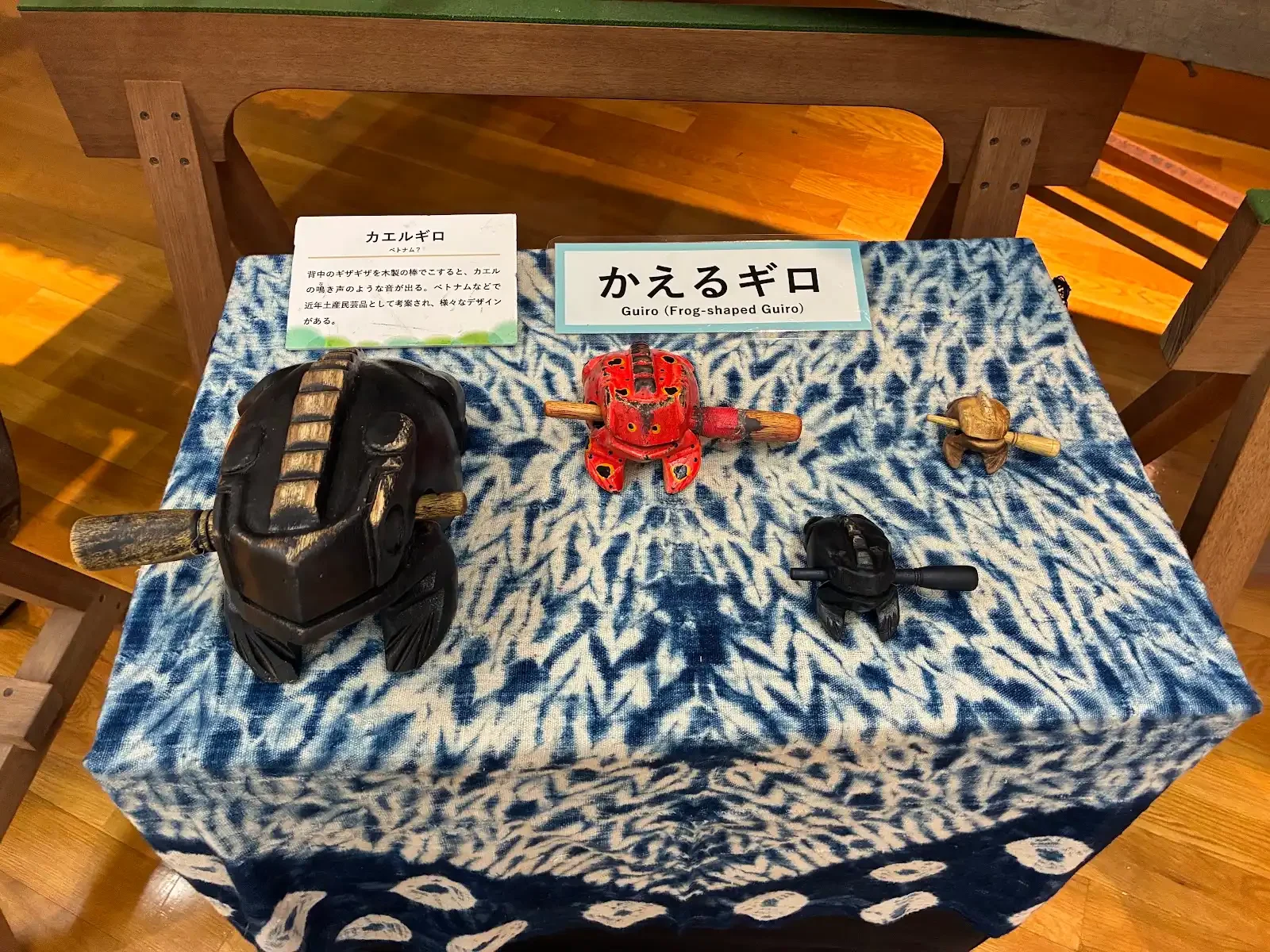
Run the included stick along the ridges on its back, and it makes a sound remarkably similar to a real frog! Its cute appearance and easy-to-enjoy design are part of what makes it so popular.
An Amazing Evolution! A Great Selection of Electronic Instruments
The museum offers a wide variety of electronic instruments as well as traditional ones.
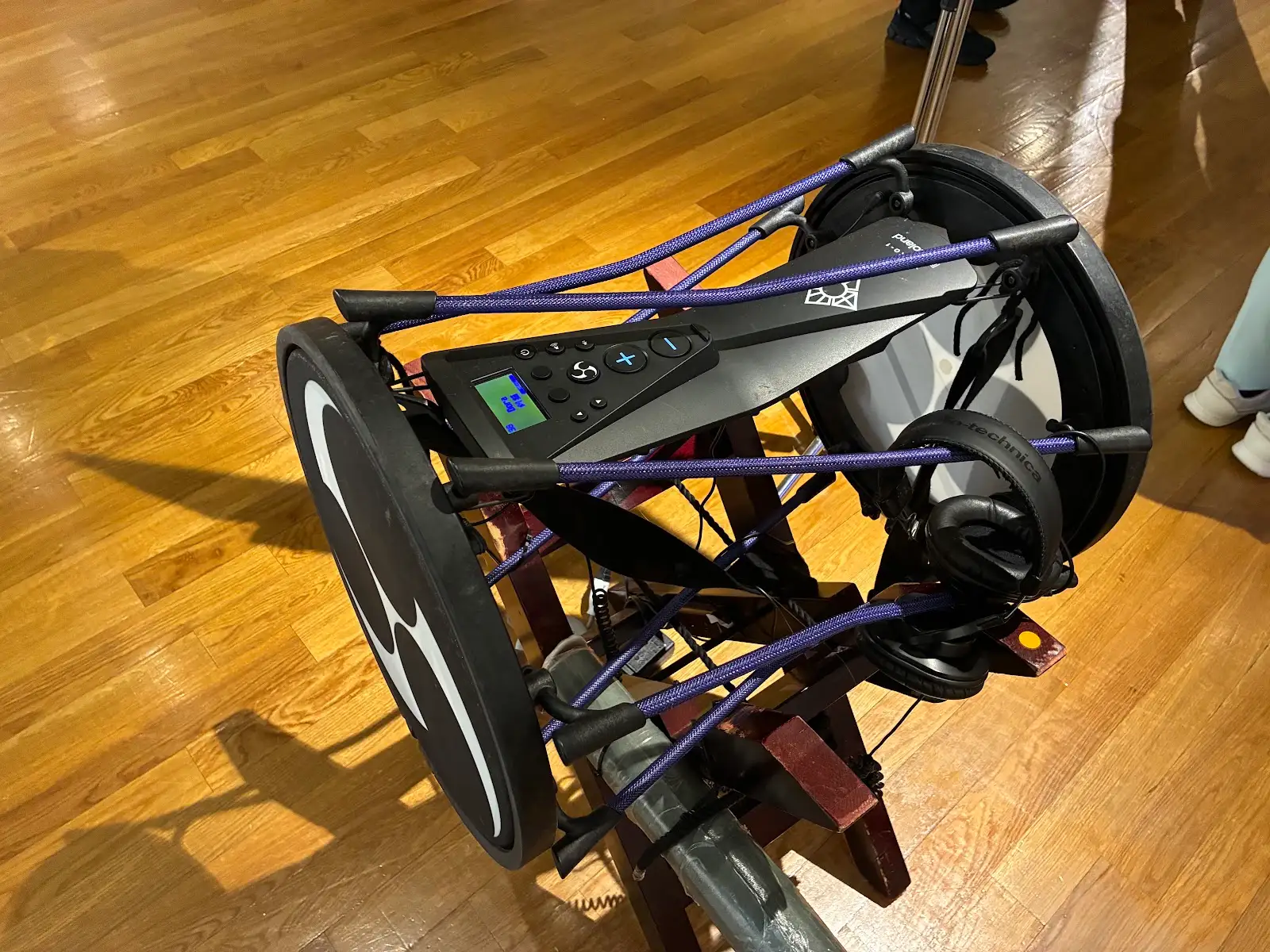
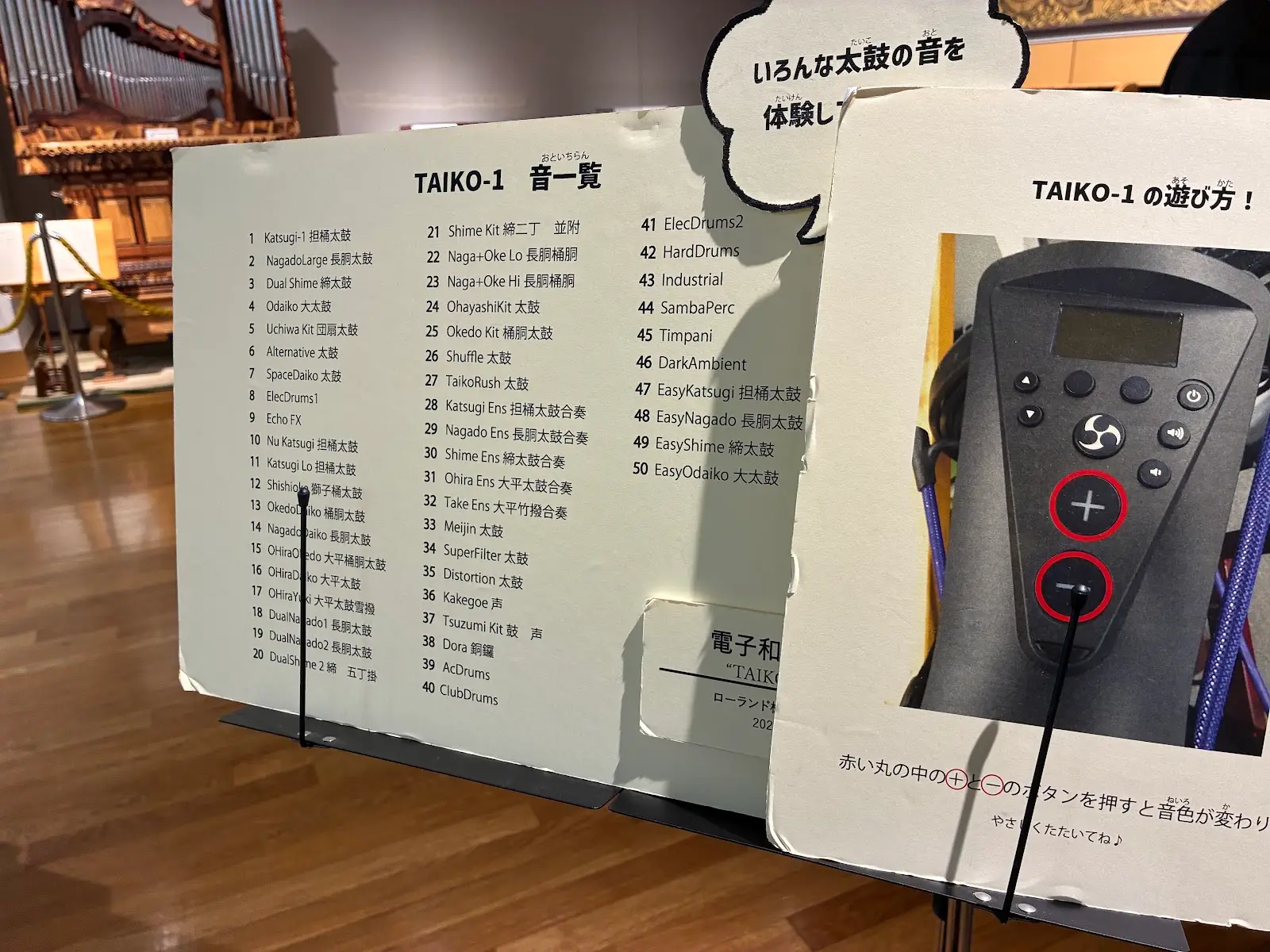
And look at this—an electronic taiko drum! It’s amazing to think that a traditional Japanese taiko drum has been transformed into an electronic instrument.
With 50 different sounds to choose from, see if you can find your favorite!
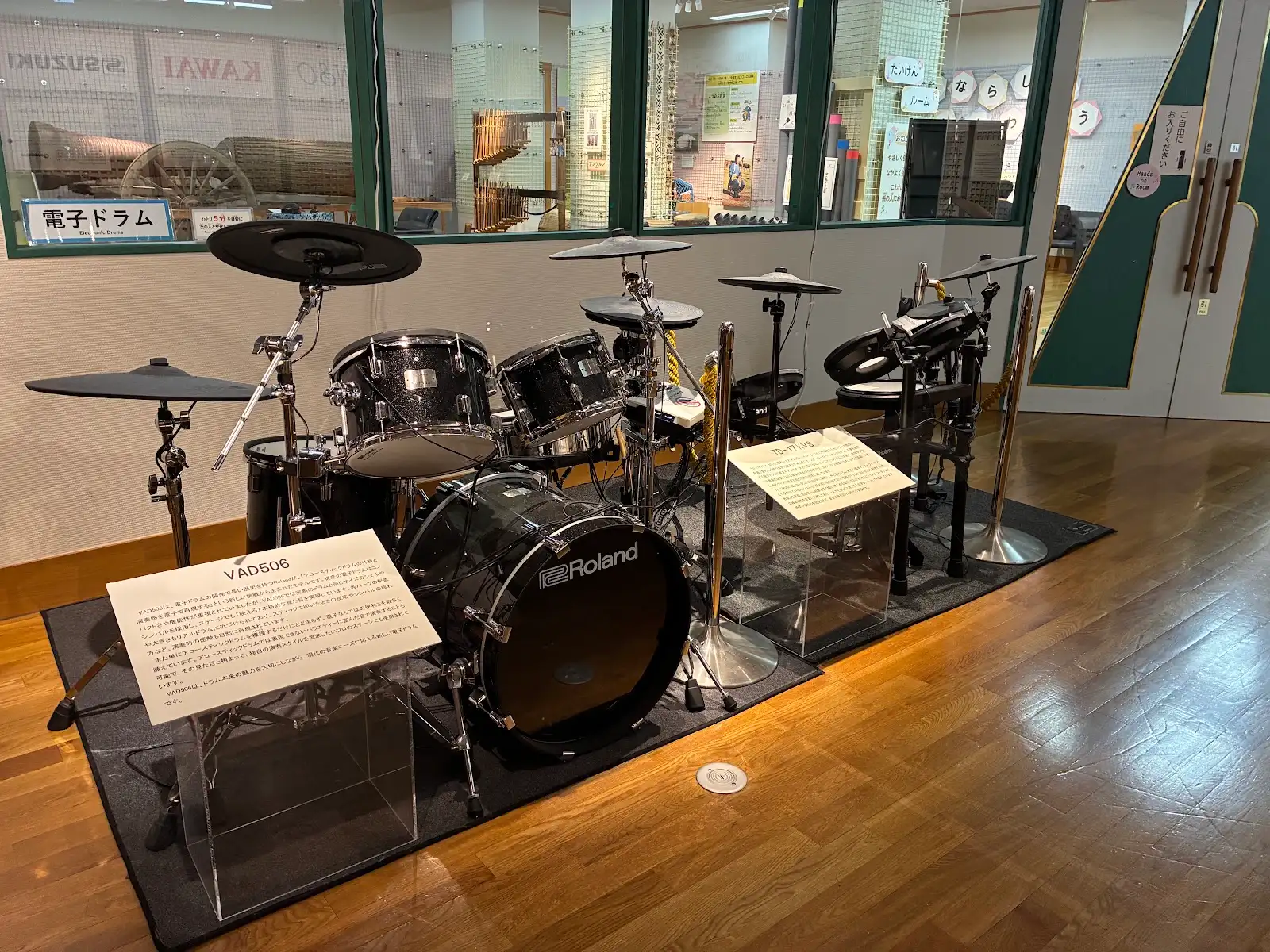
There are also two types of electronic drums that let you compare differences in how they feel when played and in their sounds. Try playing both and see if you can feel the difference!
You can also try a variety of other instruments, including pianos, guitars, and reed organs.
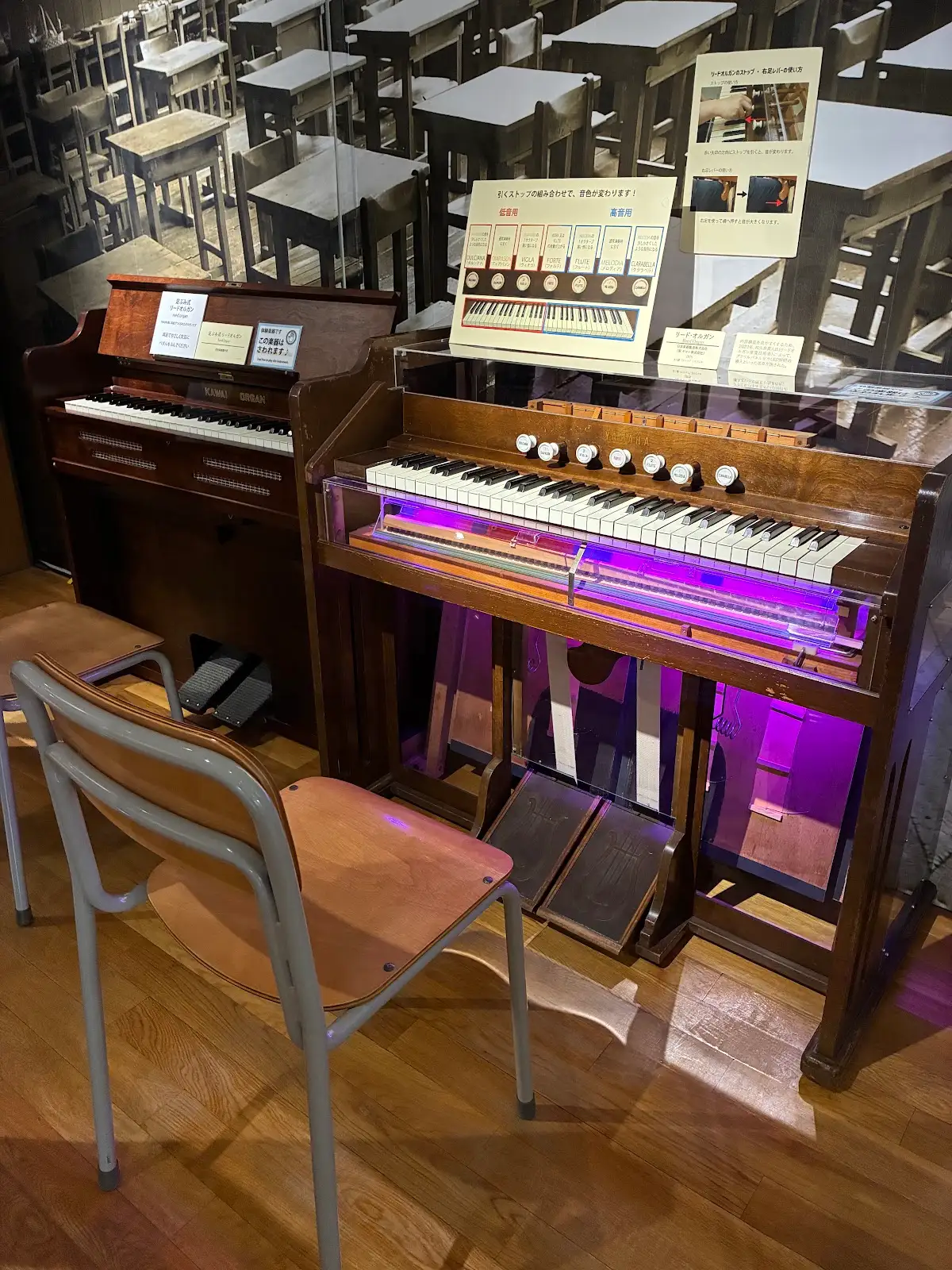
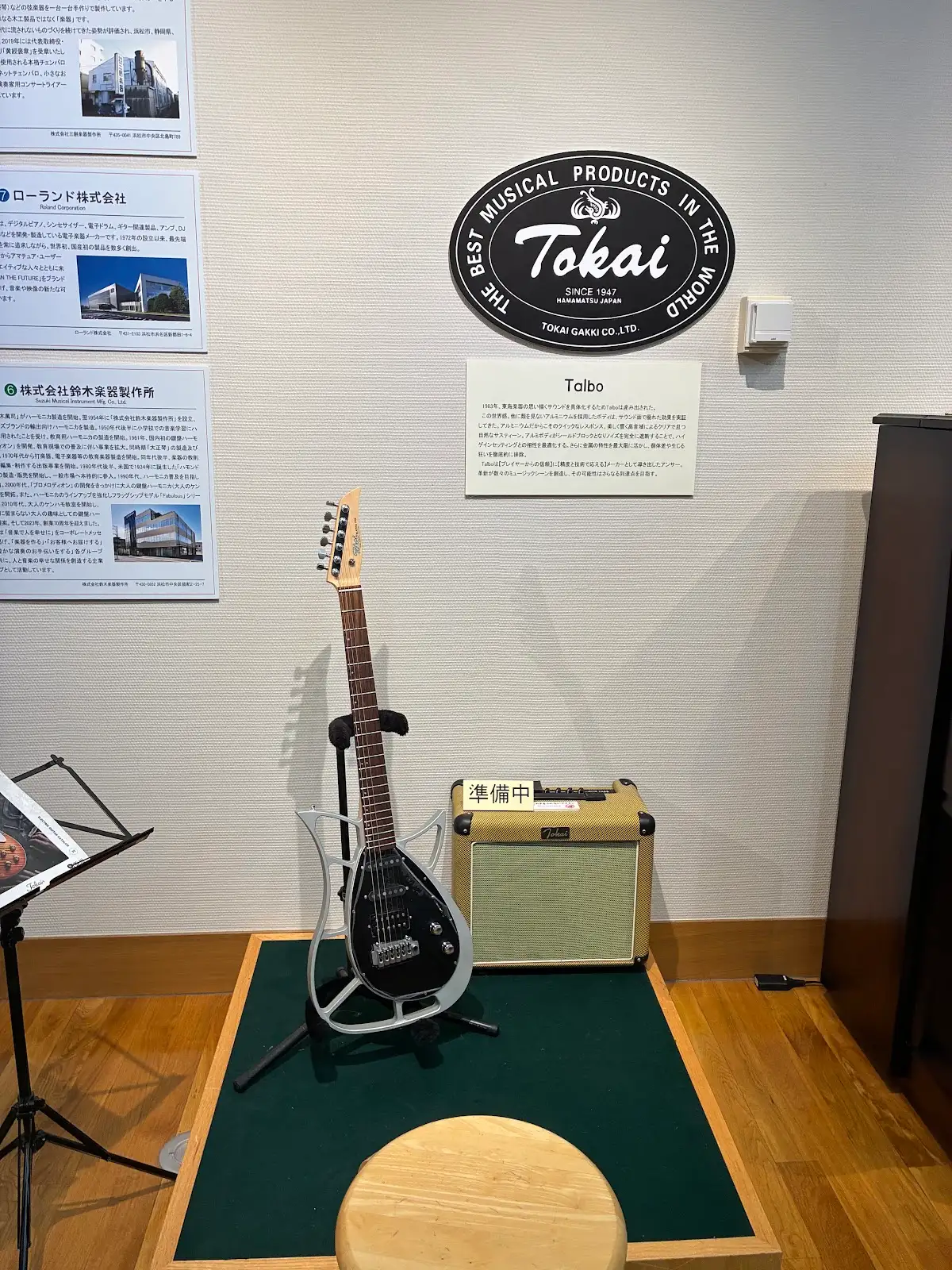
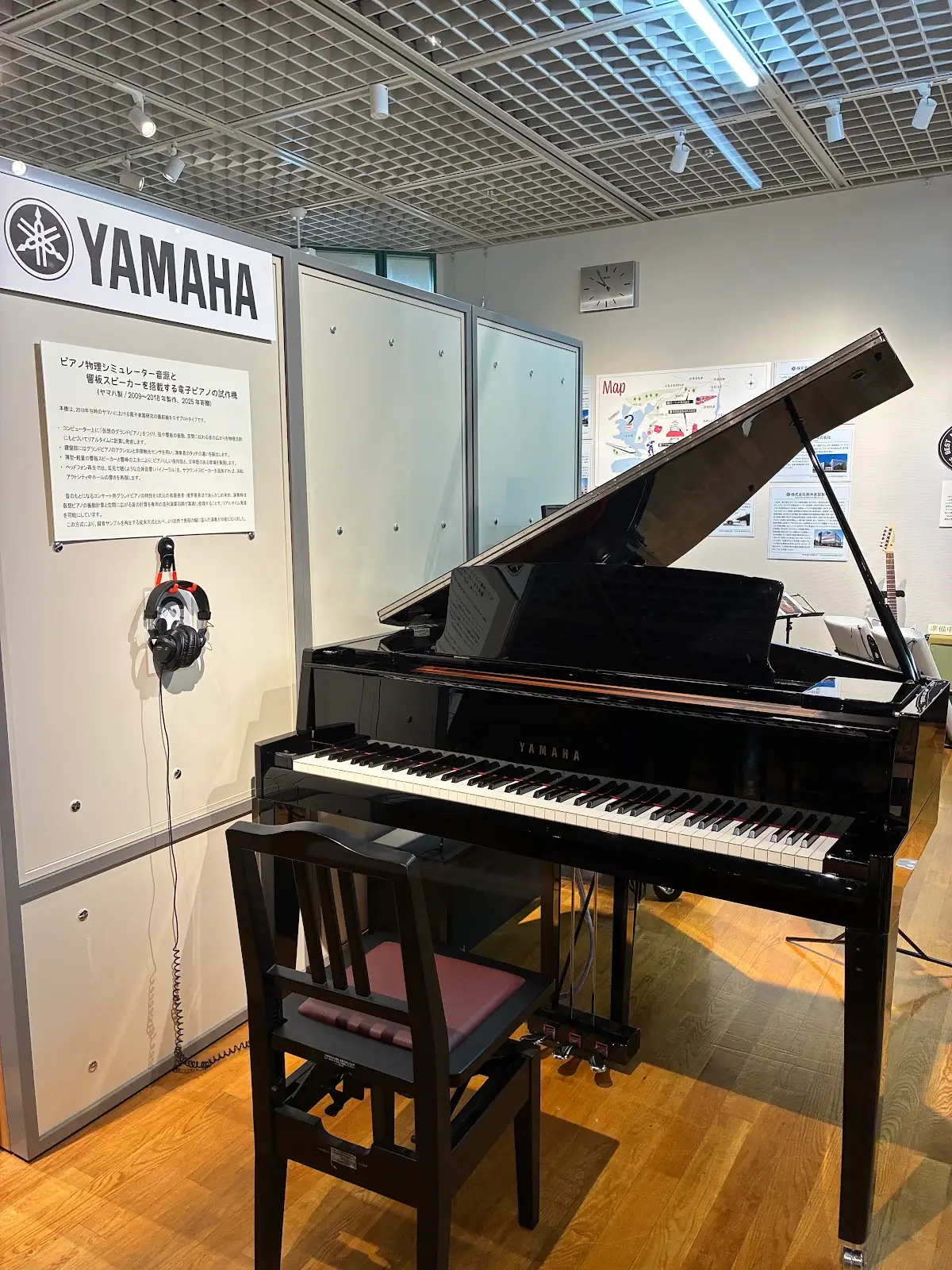
The Hands-On Experience Room is the kind of place where you can easily lose track of time. Your experience here might even inspire you to discover a new hobby.
Highlight 2: Exhibition Rooms
Based on the concept of “treating the world’s musical instruments and music equally,” the museum displays around 1,500 musical instruments from around the world.
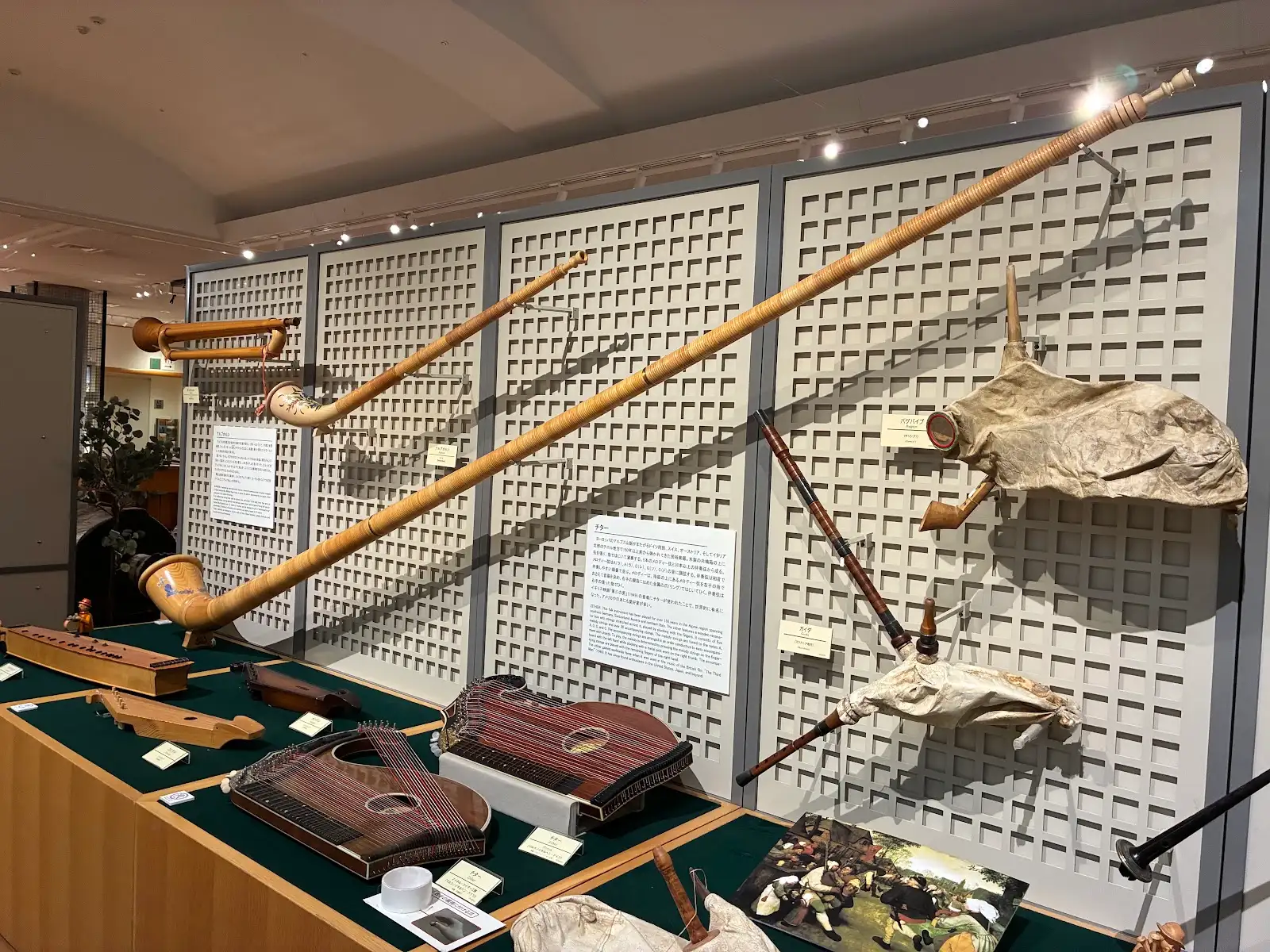
As part of the recent renovation, a general recommended route has been introduced, making it easier to explore the museum smoothly. Of course, you’re also free to start with whichever area catches your interest!
There are also benches along the walkways, so you can take breaks as needed and enjoy the exhibits at your own pace. Please note that eating and drinking are not permitted inside the museum.
Thoughtfully Designed, Easy-to-Understand Exhibits
Since many of the instruments may be unfamiliar, you’ll probably want to know more about them, such as how they are played.
The exhibits are designed to keep the focus on the instruments while presenting information in a clear and easy-to-understand way.
You can learn about various aspects of the instruments, including how they are played and the traditional clothing worn during performances.
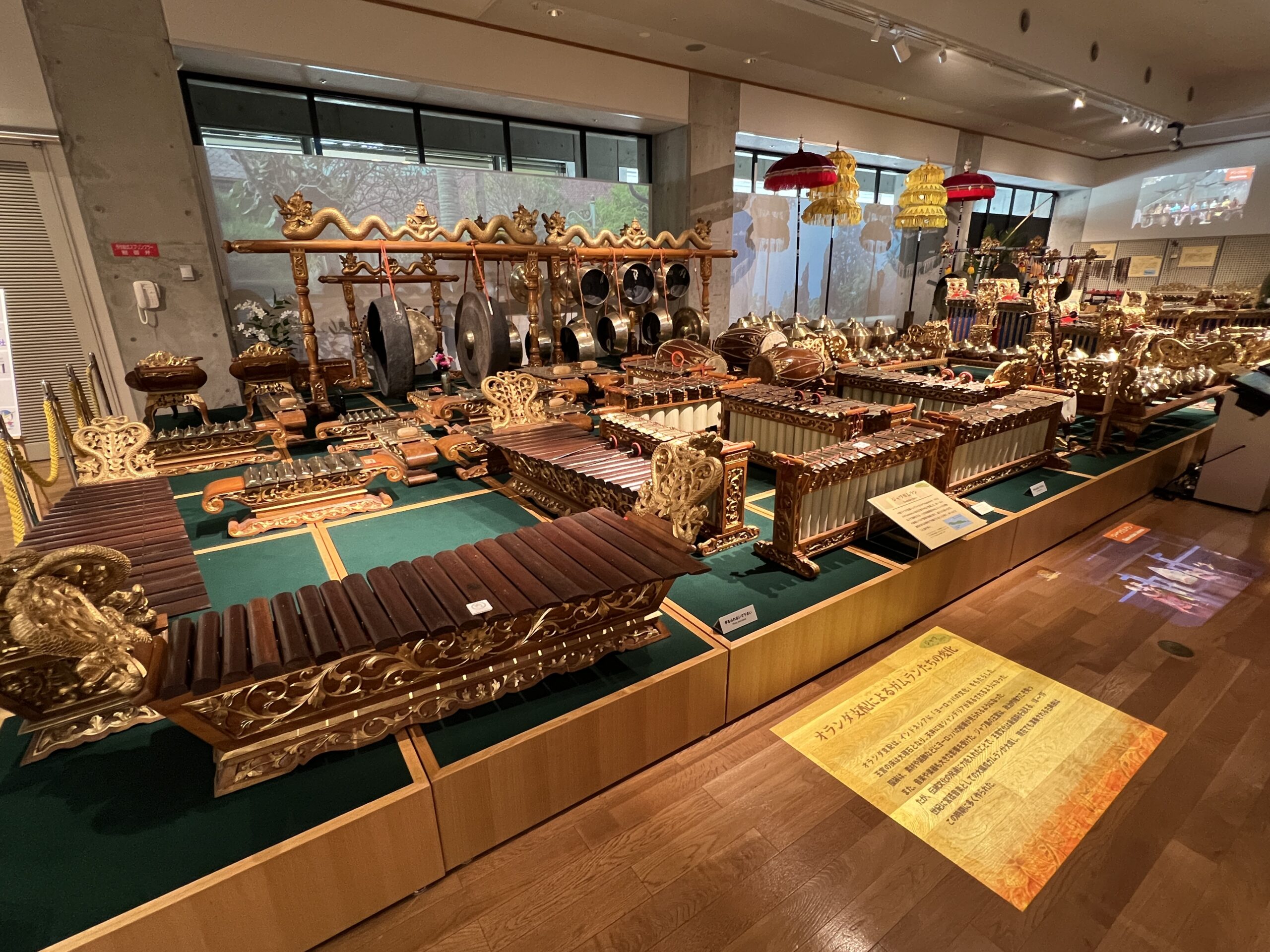
For example, some descriptions are projected onto the floor of the passageway. This clever approach allows you to read the information while keeping the passageway spacious and easy to navigate.
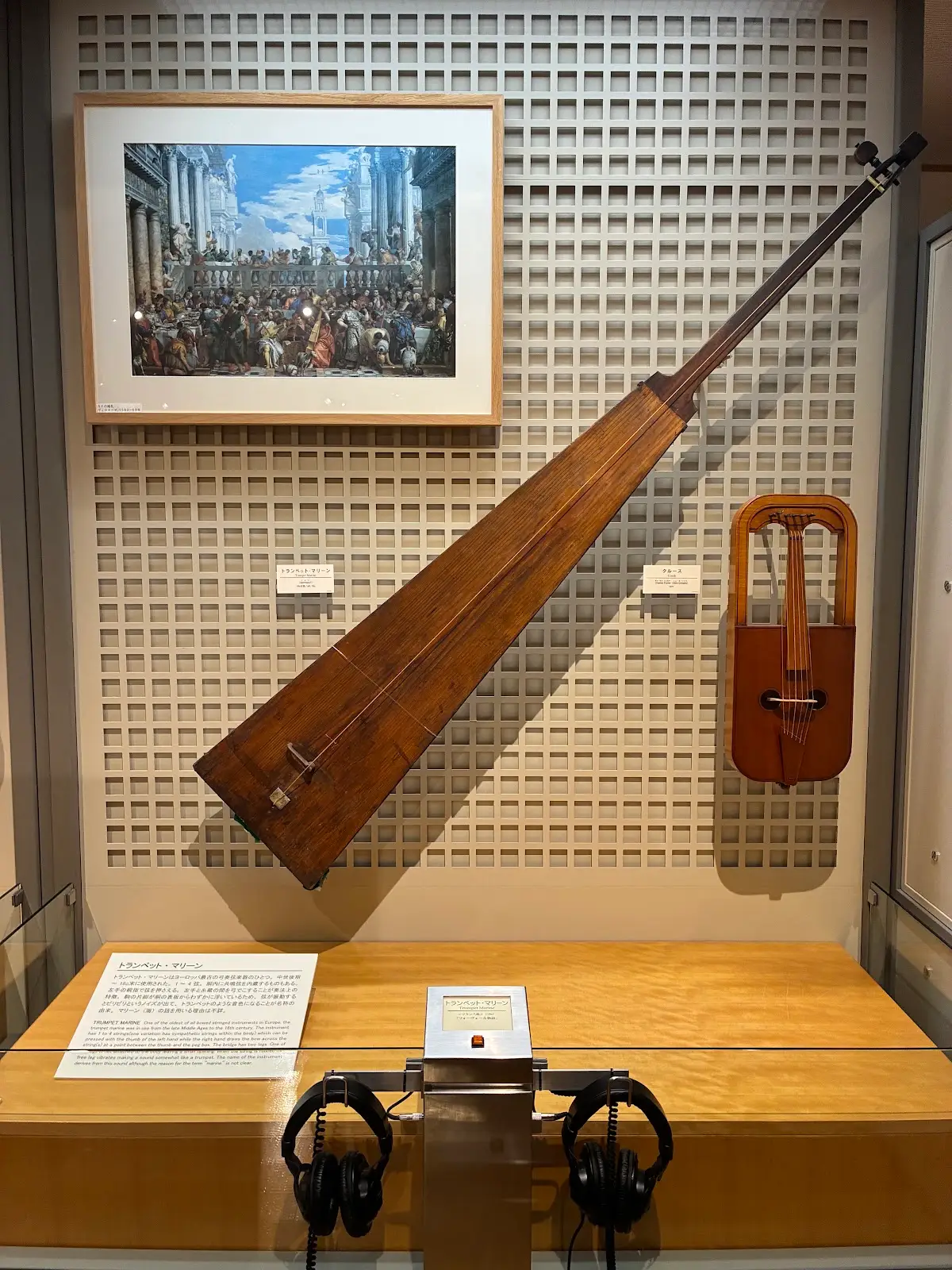
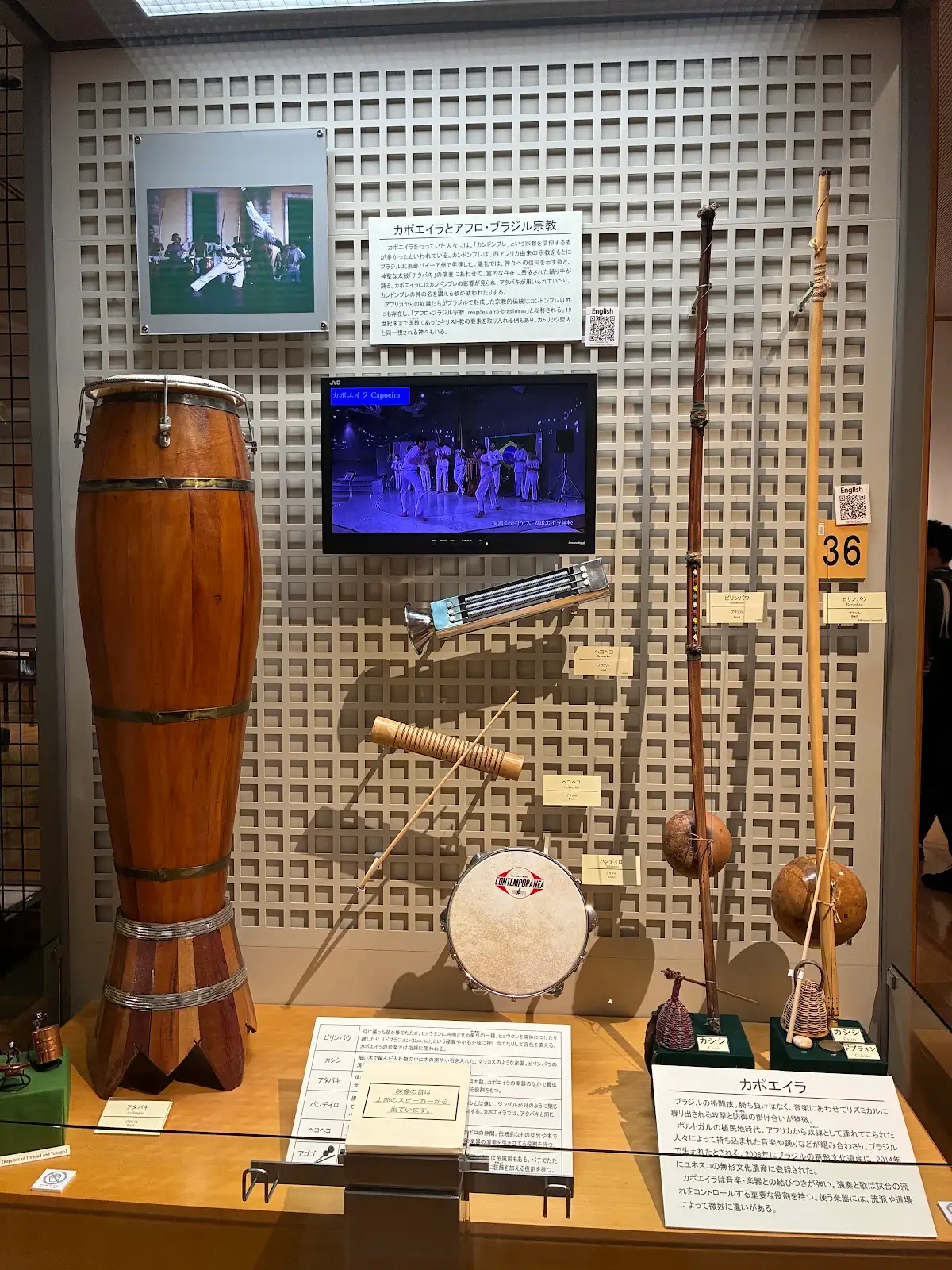
There are also instruments that you can listen to through headphones and watch being played in videos. Just by listening, you can almost feel as if you’ve traveled to the country where the music comes from.
And here’s another unique touch!
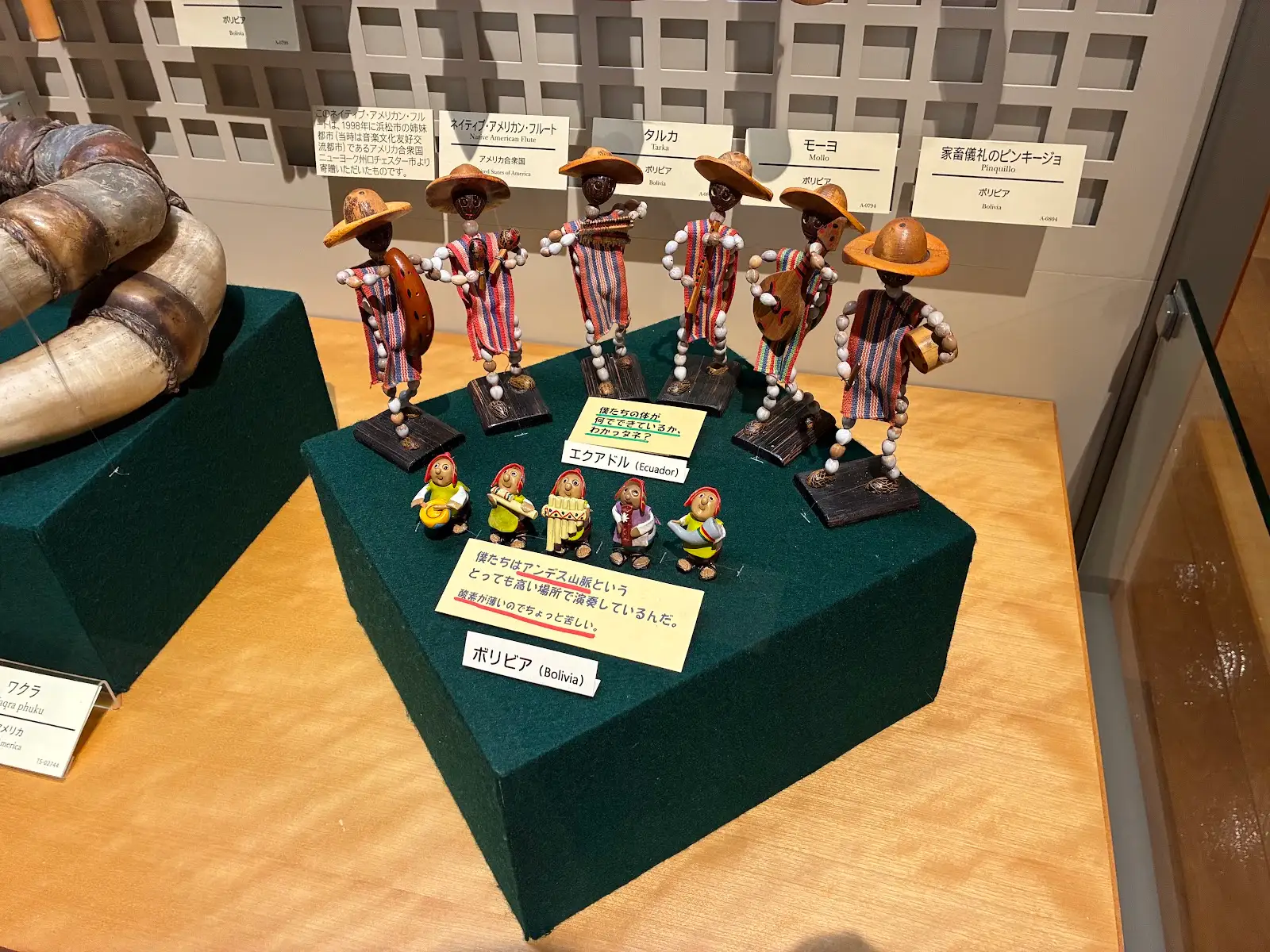
With so many instruments on display, it’s easy to have your eyes drawn to them. But take a closer look between the displays, and you may spot some tiny figures.
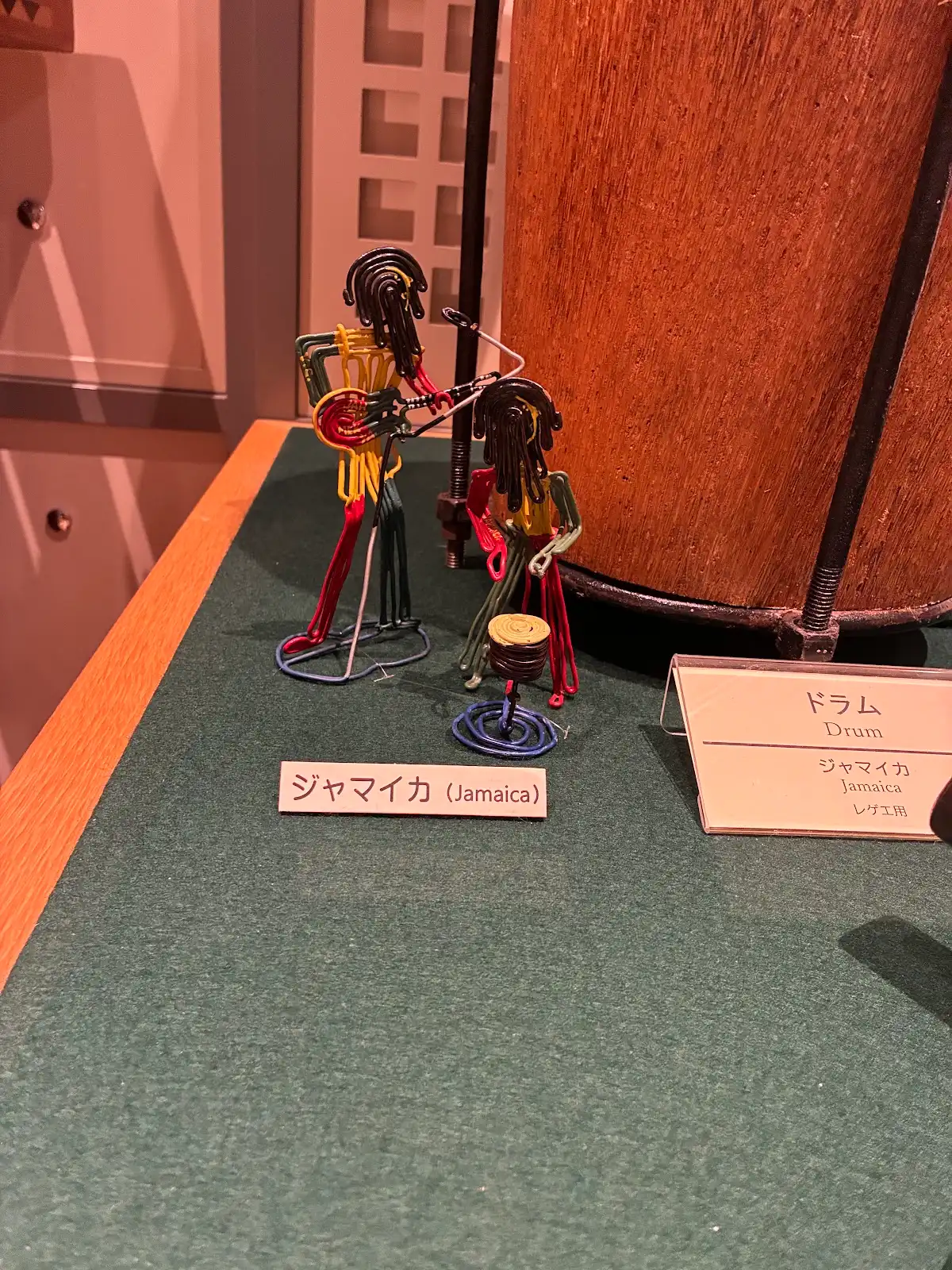
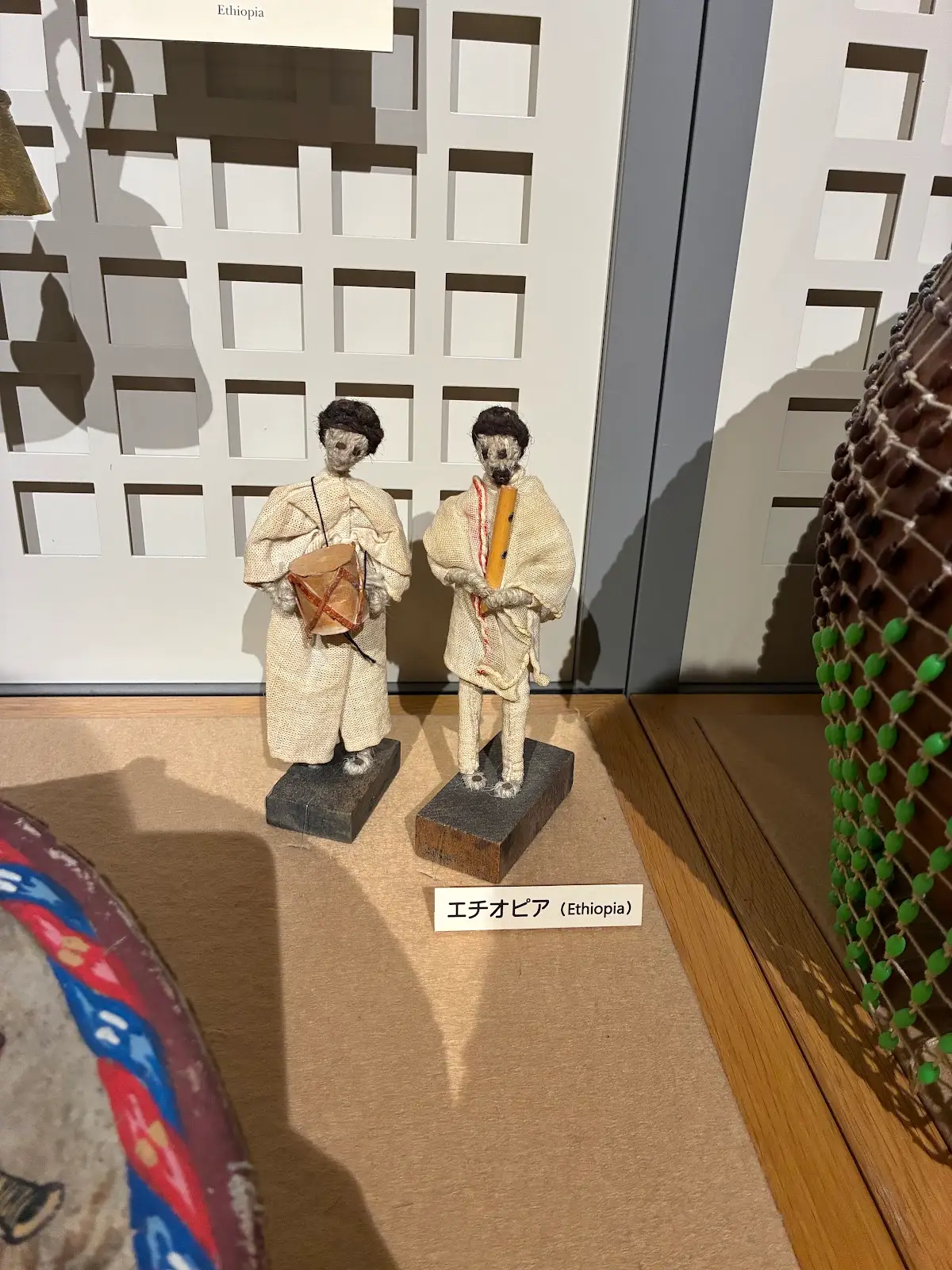
These adorable little figures also help show visitors how the instruments are played and what kind of clothing is worn during performances.
Although the exhibition space is limited, you can really feel the staff’s desire to share the full appeal of these musical instruments with visitors.
The Historic Keyboard Instrument Area and Unique Electronic Instruments
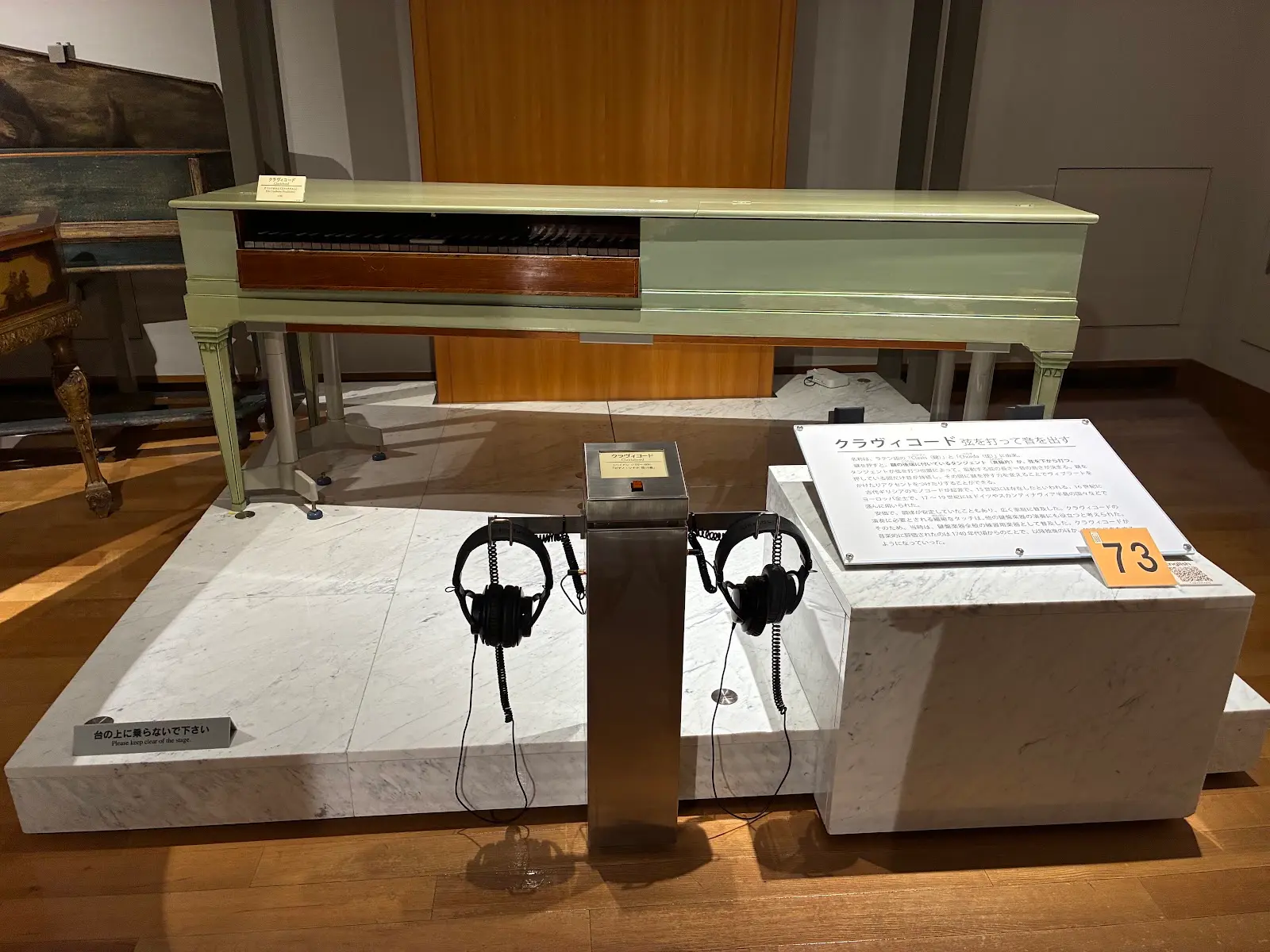
In the keyboard instrument area, you’ll find everything from organs and clavichords to harpsichords and pianos, all in one place. The exhibits allow you to explore the history of keyboard instruments and how they evolved over time.
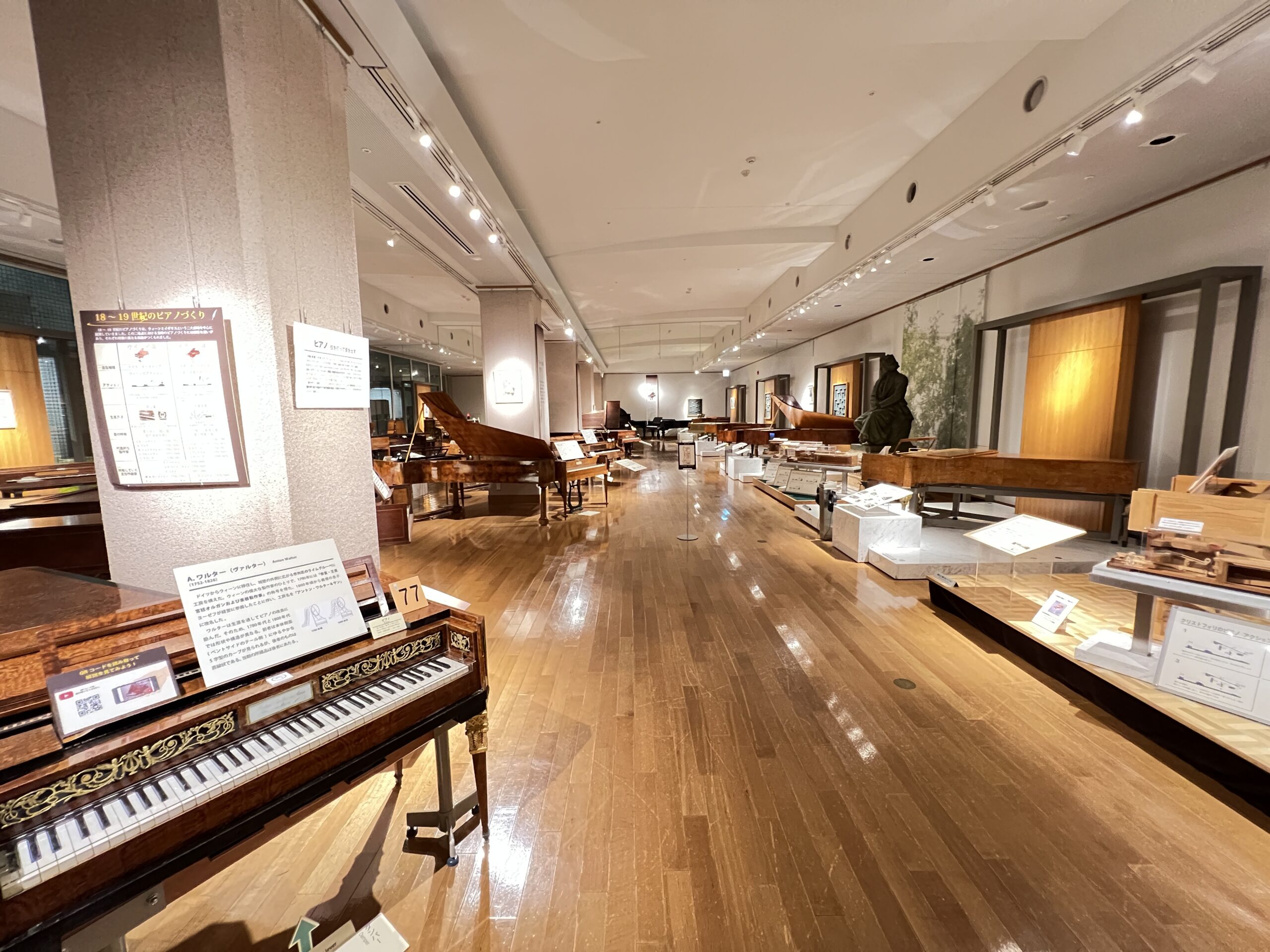
While you cannot touch the instruments on display, some of the keyboard instruments allow you to listen to their sounds.
There is also a section where you can compare the sounds of different fortepianos.
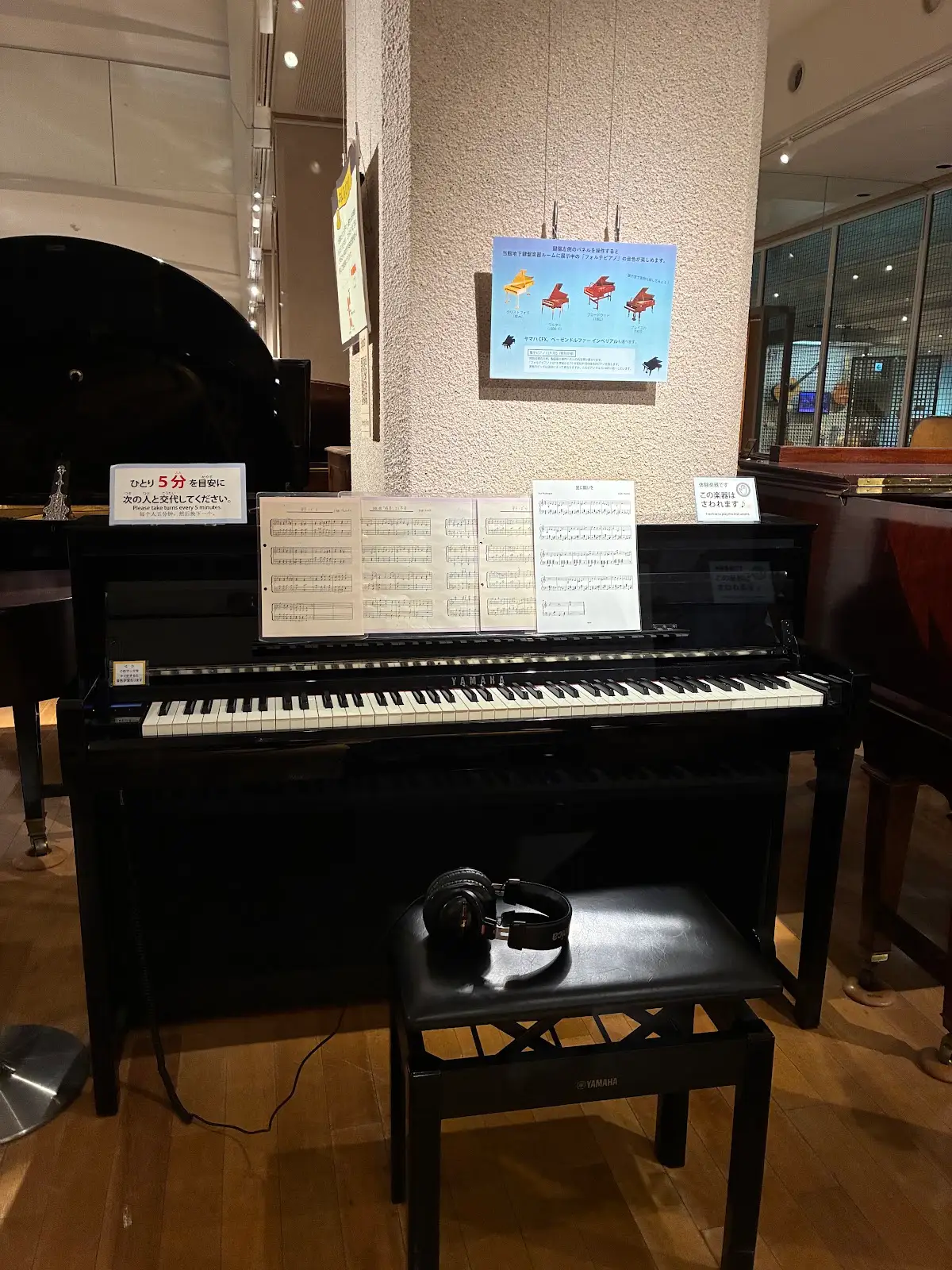
As you experience the differences in expression and sound across different periods, you may find yourself making new discoveries, such as, “So this is the kind of piano that was used to play that famous piece!” It’s sure to make listening to music even more enjoyable in the future.
The electronic instrument exhibits are also not to be missed.
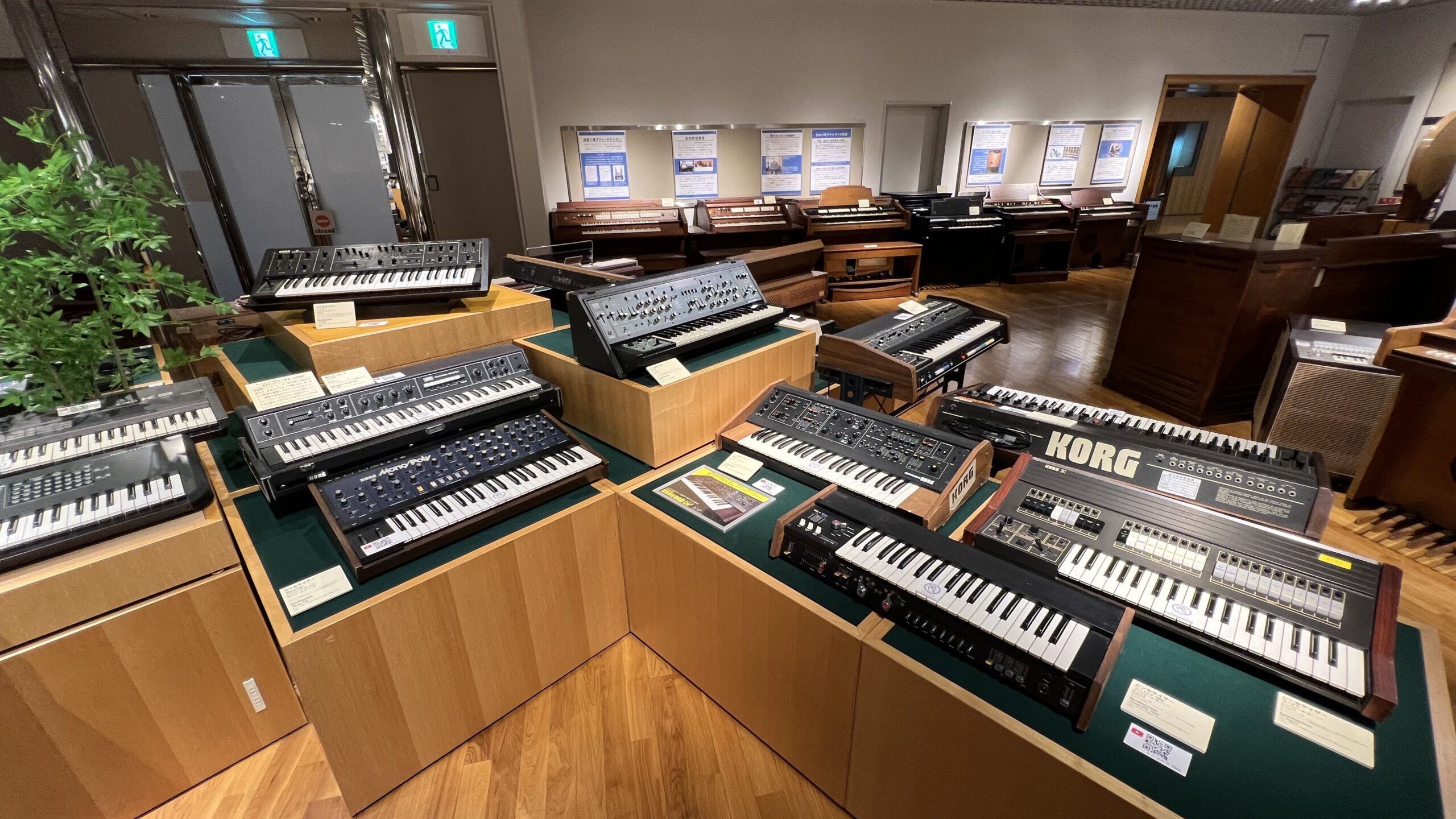
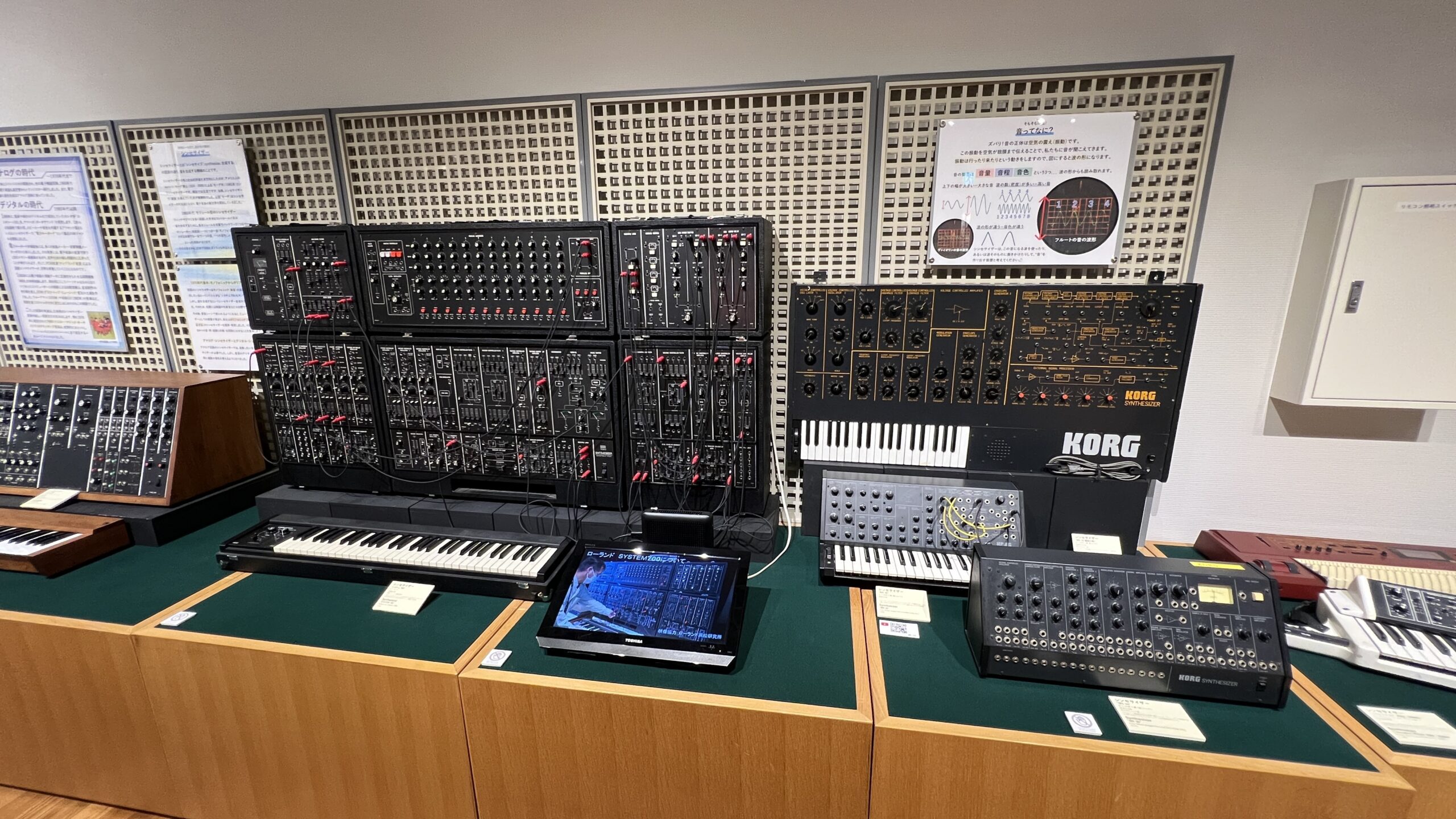
Among them, you’ll also find the “Otamatone Jumbo.
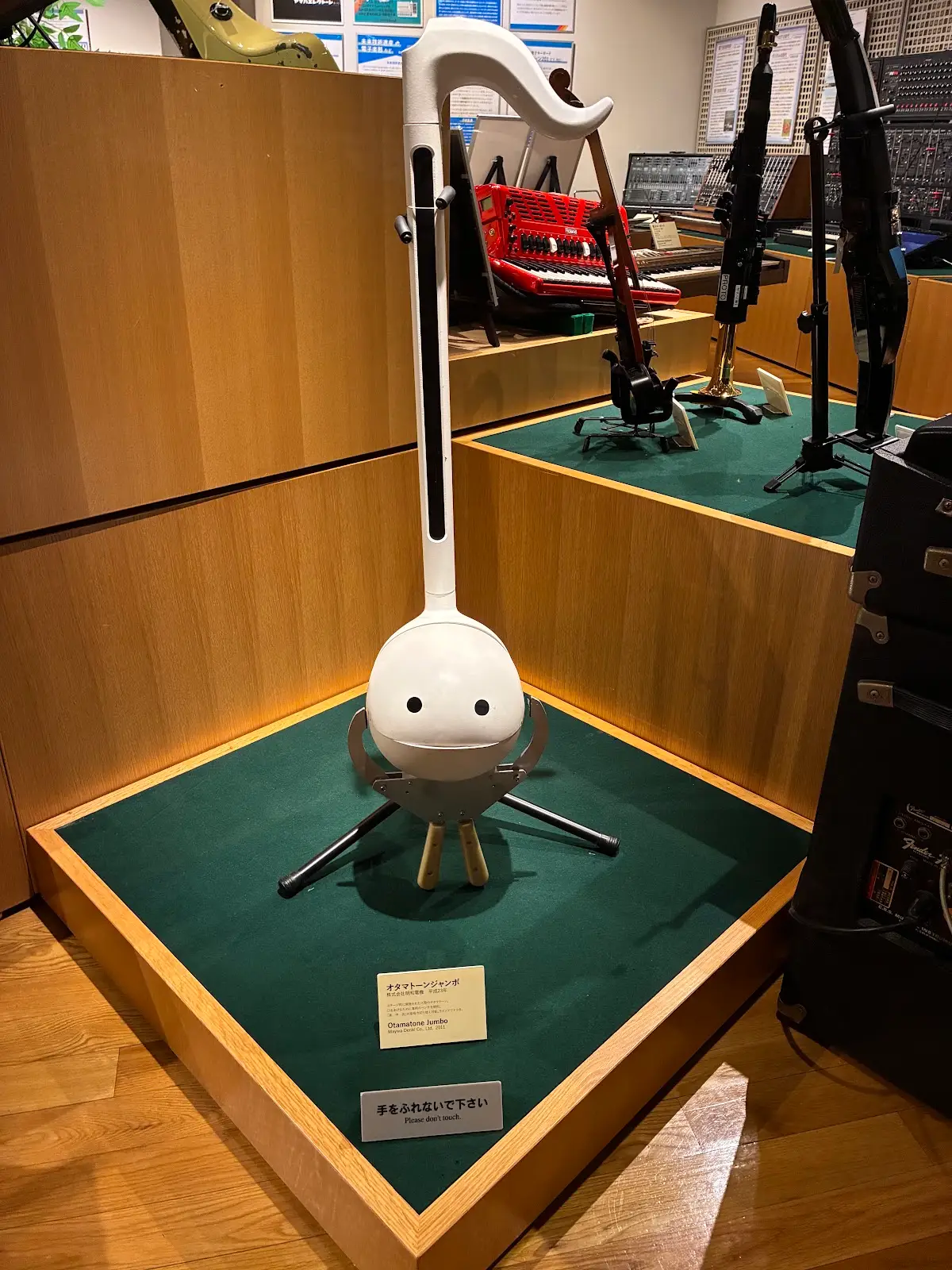
It’s noticeably larger than the Otamatone you may have seen in stores, and its adorable expression makes it hard not to smile.
Be sure to check it out in person at the Hamamatsu Museum of Musical Instruments!
Highlight 3: Special Exhibition
When we visited, the special exhibition “Java and Bali: The Heart of Indonesia Woven Through Diverse Musical Instruments” was being held. (Exhibition period: July 11–December 8, 2026)
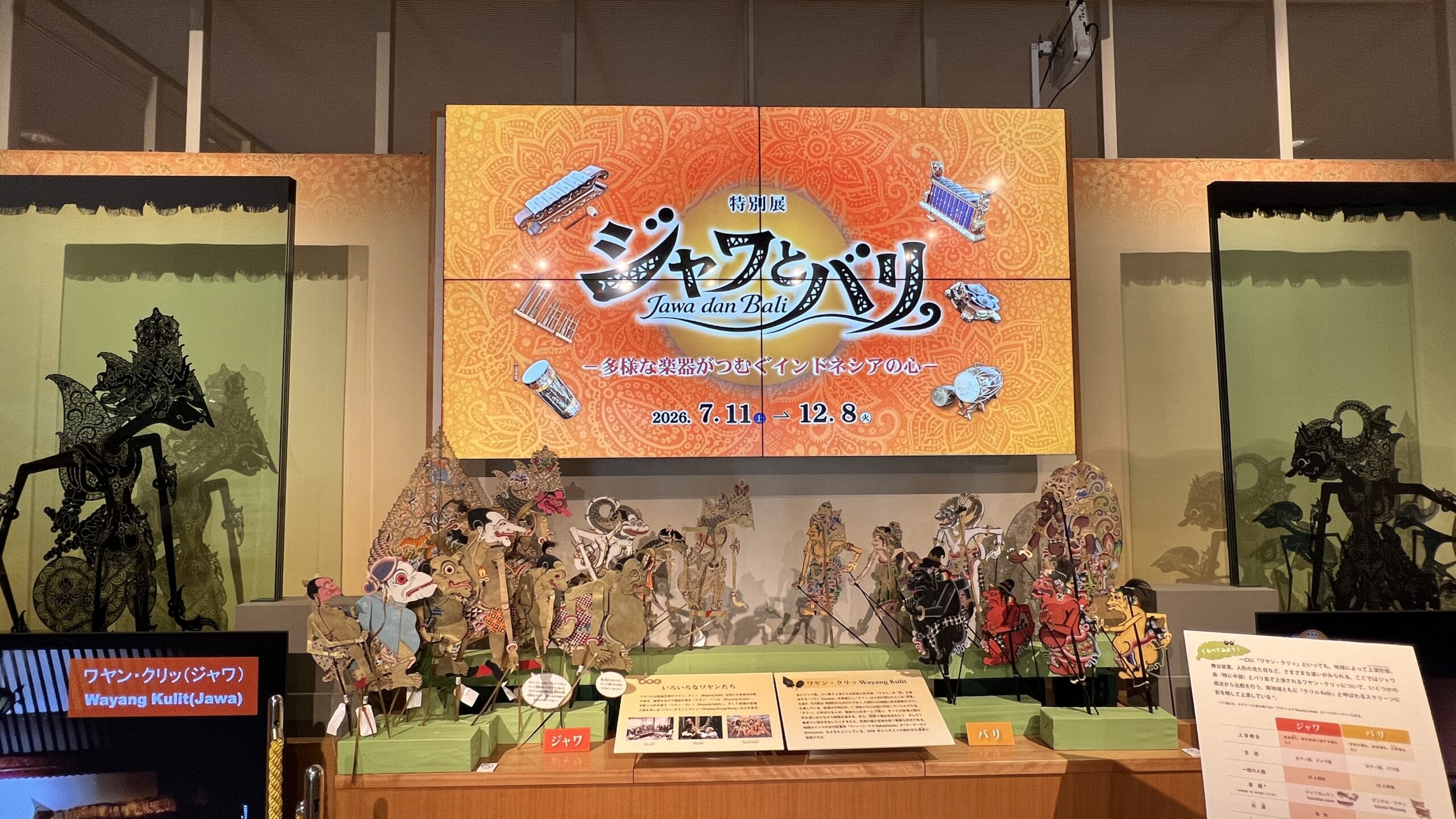
There are two main highlights of this special exhibition.
1. How Is Gamelan Made?
Discover how gamelan instruments are made today through fieldwork in Java and Bali.
2. Gamelan Monggang
Gamelan Monggang is one of the oldest surviving gamelan. At this exhibition, you can actually listen to the sounds of the instruments.
As part of this special exhibition, you can also try playing the gansa, an instrument used in Balinese gamelan gong kebyar!
It’s a rare opportunity to try your hand at a traditional instrument that you don’t often get to play.
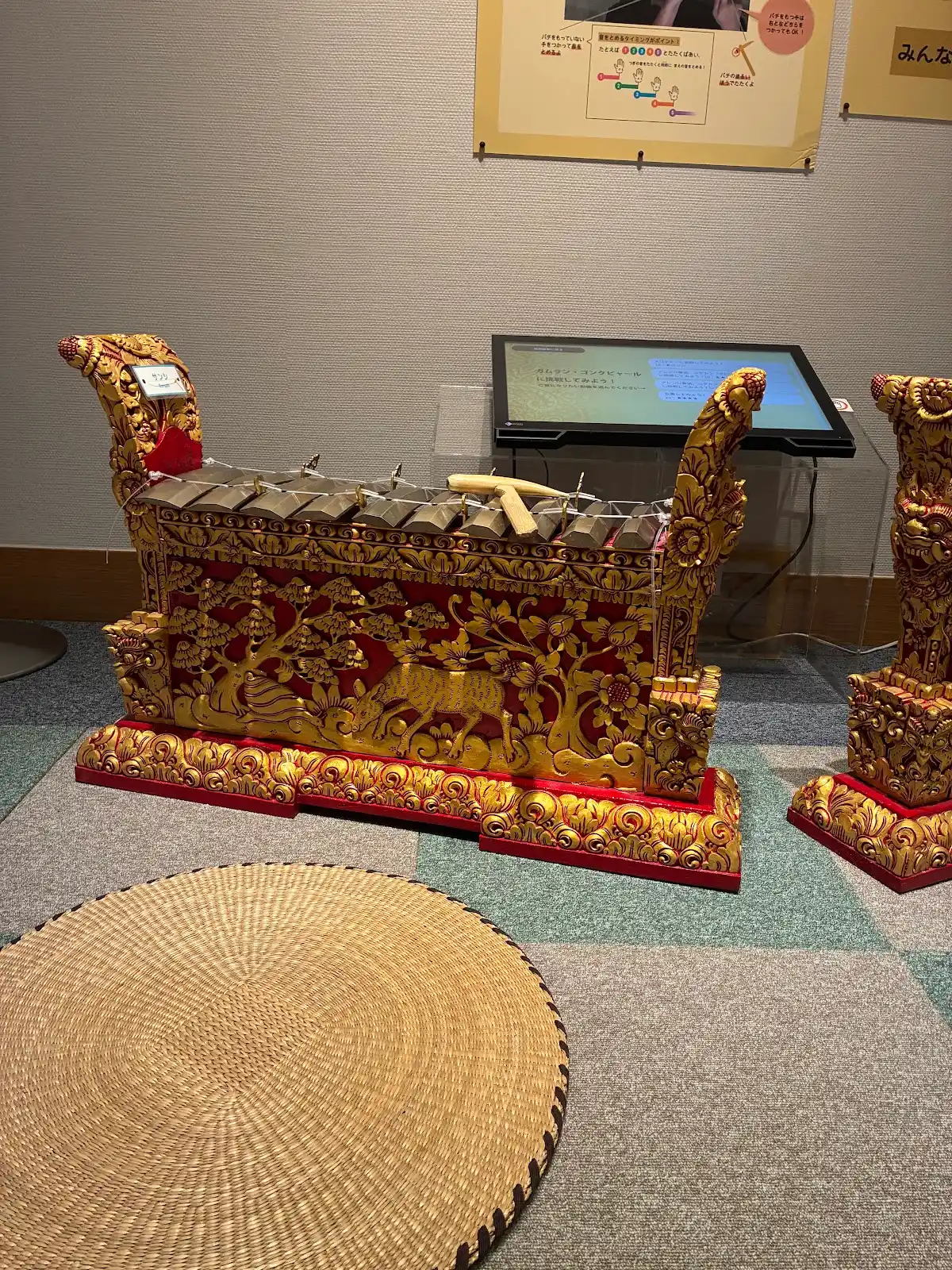
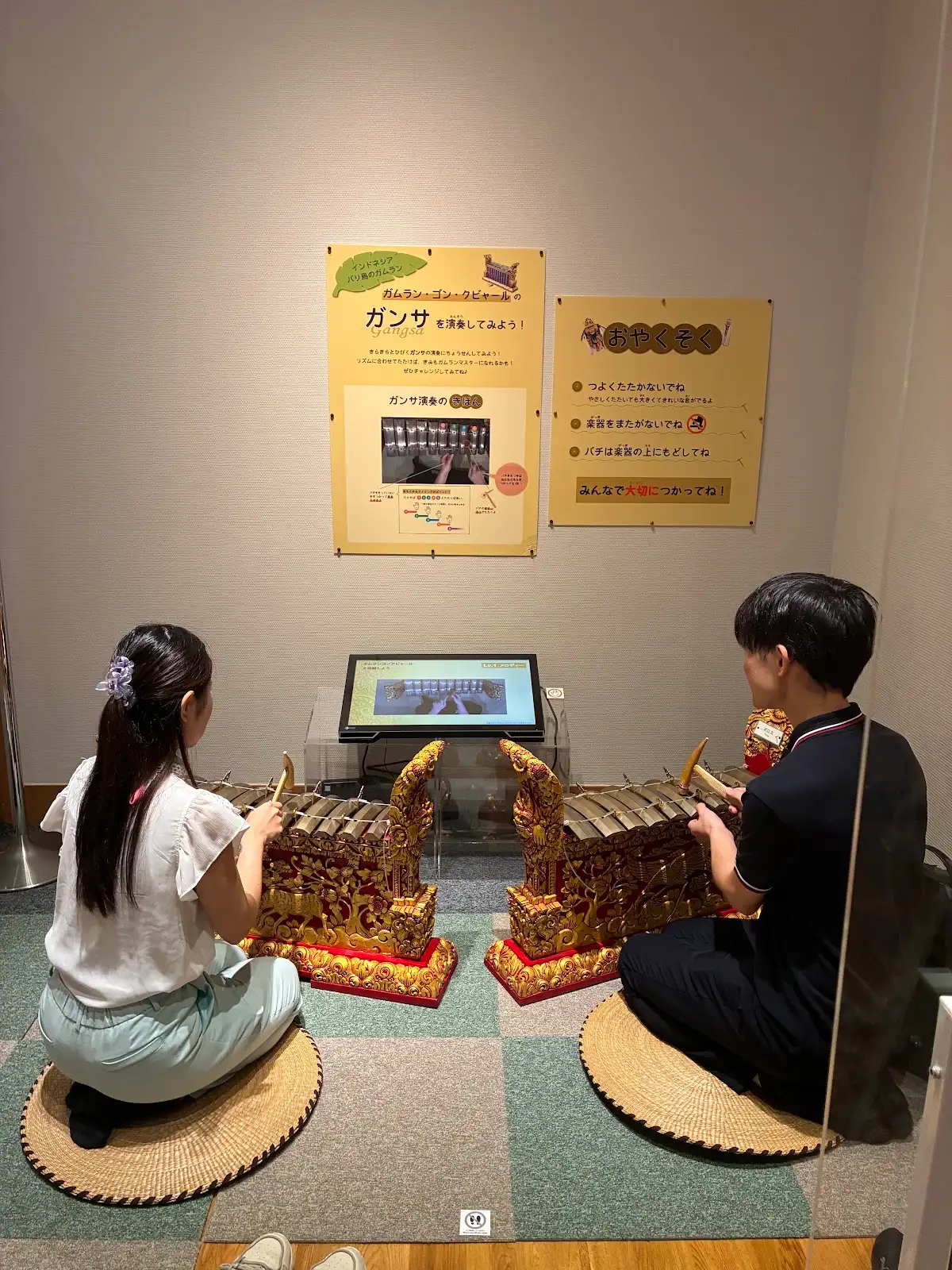
If you’re thinking, “I can’t even read music—will I be able to play it?” don’t worry!
A guide monitor shows you how to play the instrument according to your level, so why not start with Level 1, designed for beginners, and give it a try?
Important Rules for Playing the Instruments
To make sure everyone can safely enjoy playing these valuable instruments, please follow these simple rules:
1. Do not hit the instrument too hard. (Even a gentle tap will produce a loud, beautiful sound.)
2. Do not step over the instrument.
3. Return the mallets to their designated place after playing.
These are valuable instruments, so please follow the rules and enjoy giving them a try!
For more information about the special exhibition, please visit the official Hamamatsu Museum of Musical Instruments website.
Basic Information
Address: 3-9-1 Chuo, Chuo-ku, Hamamatsu, Shizuoka
Phone: 053-451-1128
Opening Hours: 9:30 a.m.–5:00 p.m.
Closed: 2nd and 4th Wednesdays of each month (if a holiday falls on a closed day, the following day is observed; open throughout August), New Year’s holidays, and facility inspection days
Admission:
Adults: ¥800
High school students: ¥400
Junior high school students and younger: Free
During special exhibitions, a separate admission ticket may be required.
Official Website: https://www.gakkihaku.jp/
For the latest information, please check the official website.
This time, we introduced the Hamamatsu Museum of Musical Instruments.
Just a 10-minute walk from Hamamatsu Station, the museum is easy to access and a great place to stop by during your visit to Hamamatsu.
At the Hamamatsu Museum of Musical Instruments, you can do more than simply see rare instruments from around the world—you can hear them and even try playing them.
Filled with the passion and attention to detail that you would expect from the “City of Music,” Hamamatsu, the museum is a place where music lovers and even those who don’t often encounter musical instruments can easily lose track of time as they explore.
With themed exhibitions (special exhibitions) and events that change throughout the year, each visit can bring new discoveries.
When you visit Hamamatsu, be sure to step into the world of music and experience it with all your senses!
For other facility information and details, please see this article or visit the official website.
Article (This article was created on August 29, 2025.): https://www.hamamatsu-japan.com/en/column/66670/
Official Website: https://www.gakkihaku.jp/
*The information in this article is subject to change.