Get to Know Hamamatsu
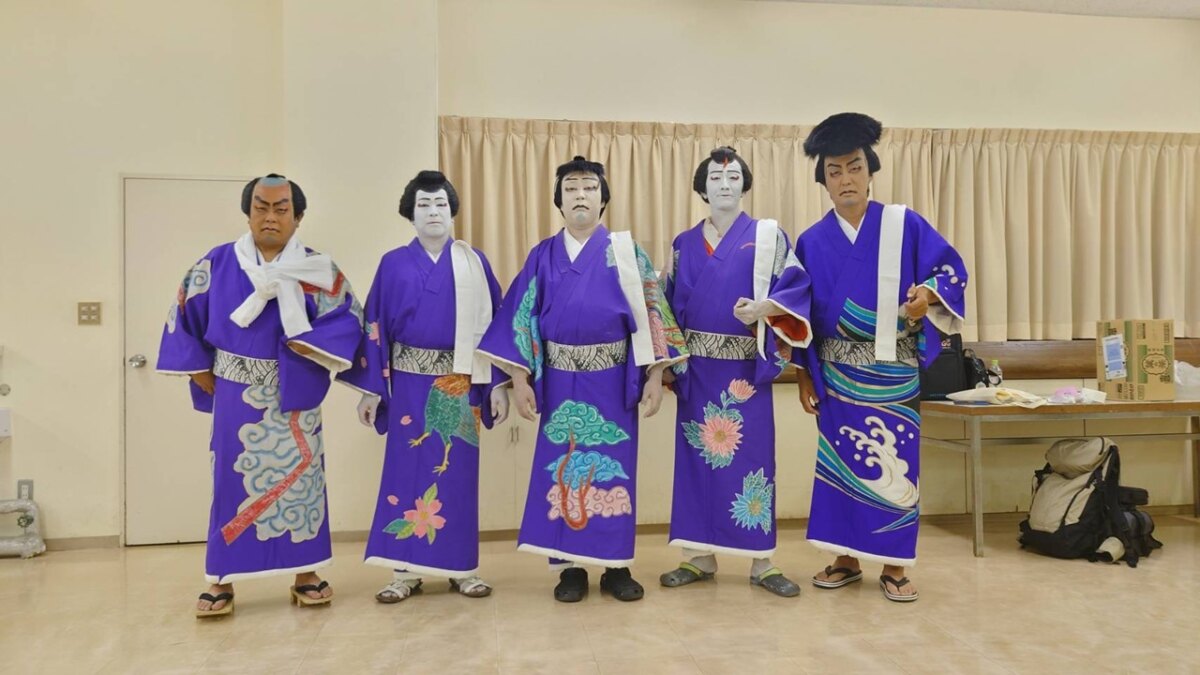

This article explores the history, charm, and highlights of Yokoo Kabuki in detail.
This article was created on August 1, 2025.
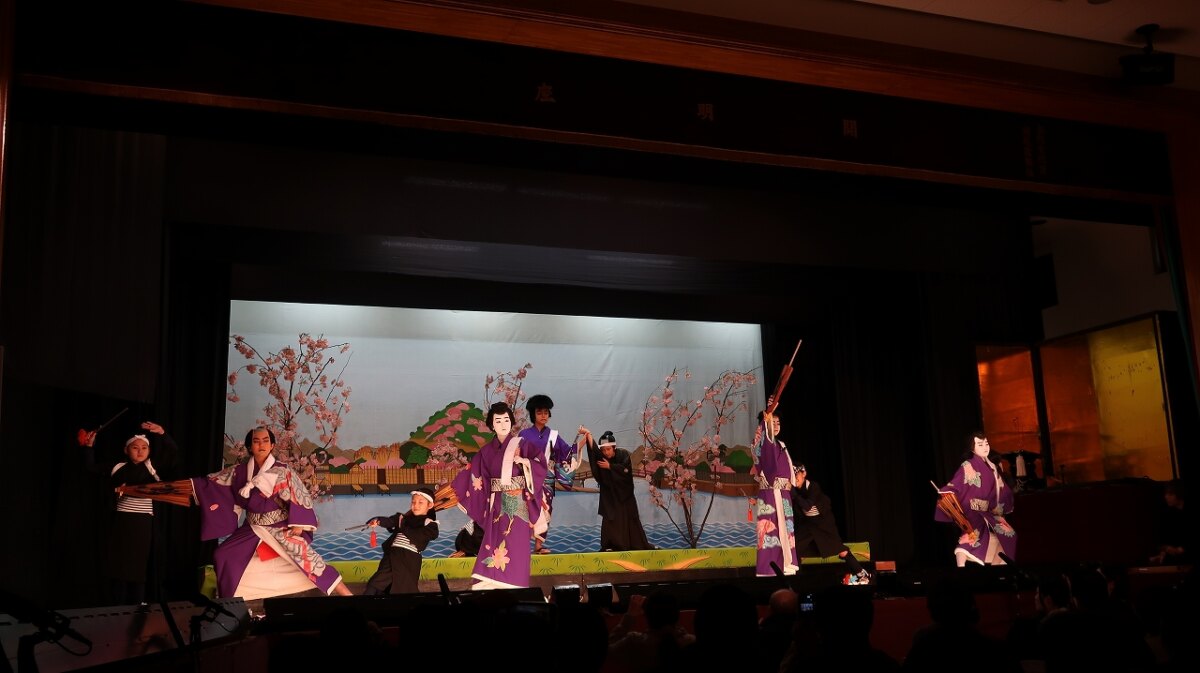
This traditional performing art, which began in the Edo period, features authentic performances by local residents and attracts many spectators every year.
Yokoo Kabuki is known for its close connection with the audience, offering a cultural experience where spectators can enjoy calling out encouragement and giving “ohineri.”
This article explores the history, charm, and highlights of Yokoo Kabuki in detail.
About Yokoo Kabuki
Yokoo Kabuki is a traditional performing art of Hamamatsu City with a history of over 200 years, lovingly preserved by local residents of the Inasa district to this day.
Origin and History of Yokoo Kabuki
It’s unclear exactly when Yokoo Kabuki began in the Inasa district.
However, records show that by the mid-Edo period (around 1794), “rural kabuki” was already being performed in the Yokoo and Shiraiwa areas (now part of the Inasa district), highlighting the deep history of this tradition.
From the Edo period through the Meiji, Taisho, and Showa eras, local young men have been the ones carrying on the tradition of Kabuki.
Even today, not only the actors but also the shamisen players, Joruri, makeup artists, and costume dressers—all roles are filled by local residents.
These rural kabuki traditions have also been passed down in places like Sakuma Town and Yuto Town in Hamamatsu City, as well as Kosai City.
However, after having faded for a long time since the post-war period, they have been revived in recent years.
Since the Edo period, although it temporarily scaled down during wartime, Yokoo Kabuki is the only tradition that has been passed down without interruption.
In 1974, it was designated as an important cultural property of the prefecture, recognized as a valuable folk performing art representing the region.
The Charm and Highlights of Yokoo Kabuki
The greatest charm of Yokoo Kabuki lies in the fact that it is created entirely by local residents.
Not only the actors, tayu, and shamisen players, but also the choreography, costume dressing, creation and setup of large and small props, and even poster design using the Kantei-style calligraphy are all handled by local residents.
Though handmade by local residents, the actors’ performances are dignified and the stage production is authentic!
Another charm of Yokoo Kabuki is the close distance between the stage and the audience, allowing spectators to feel the full impact up close.
At the highlights of the performance, the audience cheers loudly and throws “ohineri” from their seats, creating a lively and energetic atmosphere.
Also, the costumes and wigs used in Yokoo Kabuki are not rented; most of them are either handmade or have been preserved in the Inasa area since the Edo period.
About 200 wigs and 2,000 costumes are carefully preserved and maintained so they can be used on stage at any time — which is truly impressive.
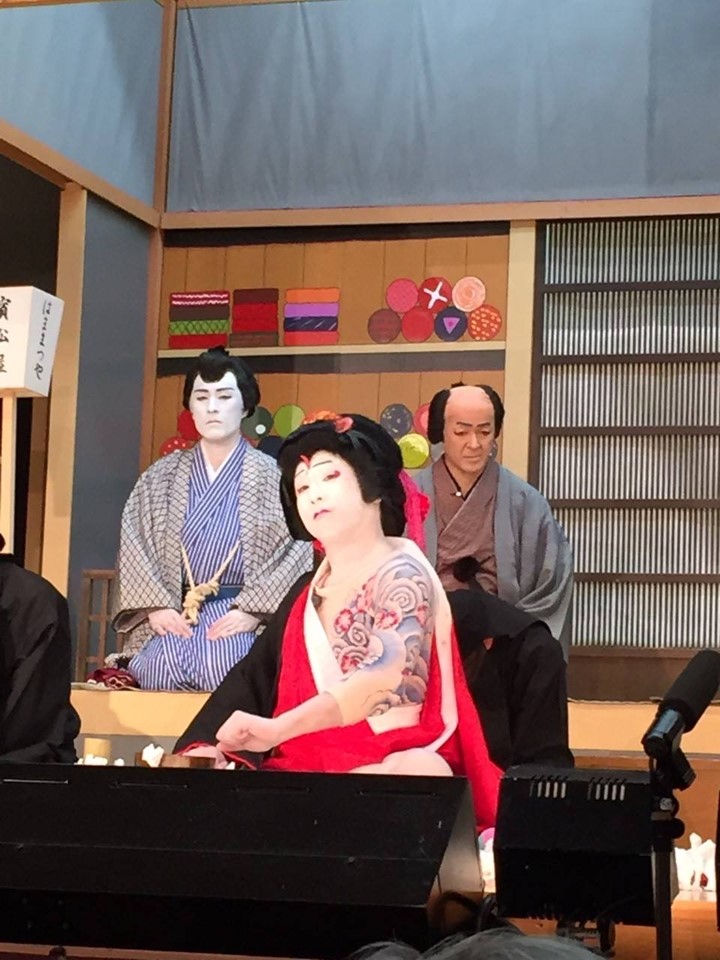
Today, Yokoo Kabuki is cherished as a traditional performing art, but in the past, it faced challenges such as the impact of war and a shortage of performers, putting its very survival at risk.
To overcome these challenges, the Yokoo Kabuki Preservation Society was established, working to broaden the base of performers.
Today, the preservation society focuses on nurturing the next generation of performers, actively passing down the tradition to local elementary, middle, and high school students.
Announcement: Yokoo Kabuki Regular Performances in 2025 (October 11 & 12)
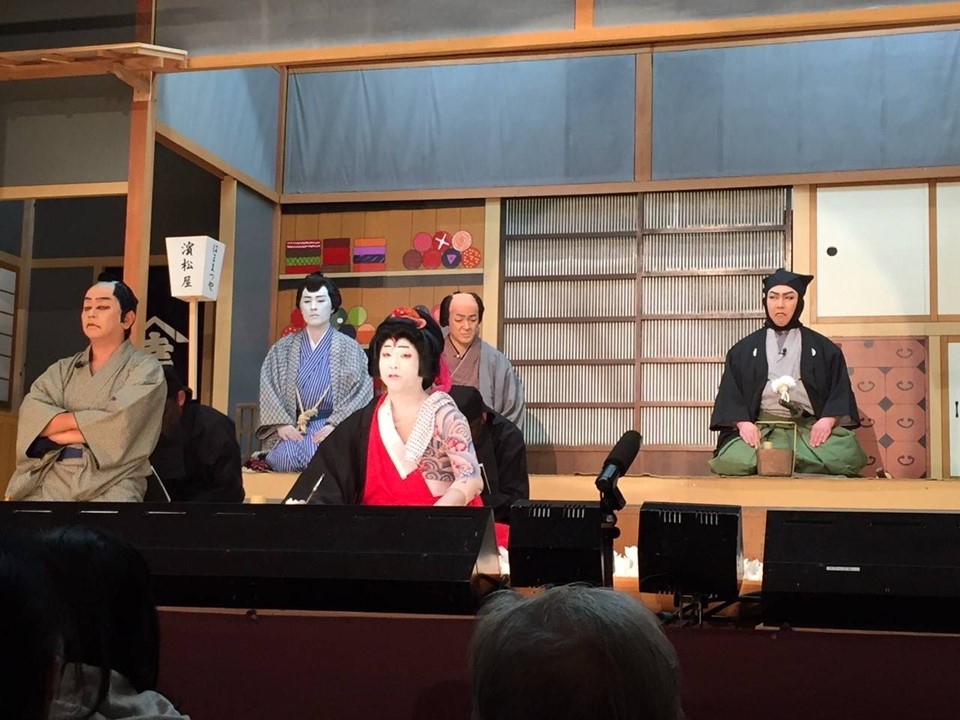
The regular performances of Yokoo Kabuki, a traditional Hamamatsu performing art that has been passed down continuously since the Edo period, will be held.
The regular performances for 2025 have already concluded. For information about the 2026 performances, please make an inquiry (please wait for the official announcement).
Why not take this opportunity to enjoy Yokoo Kabuki, a traditional performing art of the local community?
*The information in this article is subject to change.
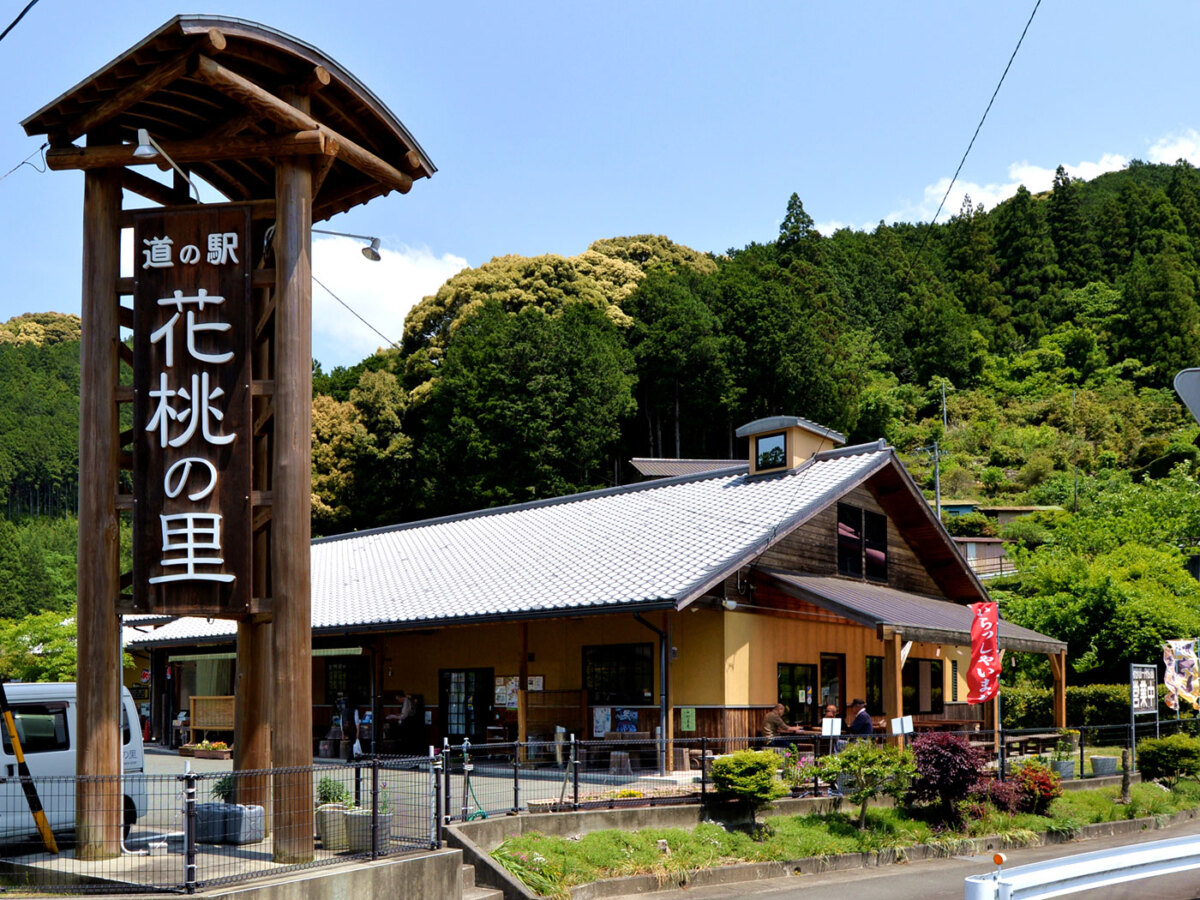
Experience Spring Beauty and Local Flavors at Michi-no-Eki Hanamomo-no-Sato